


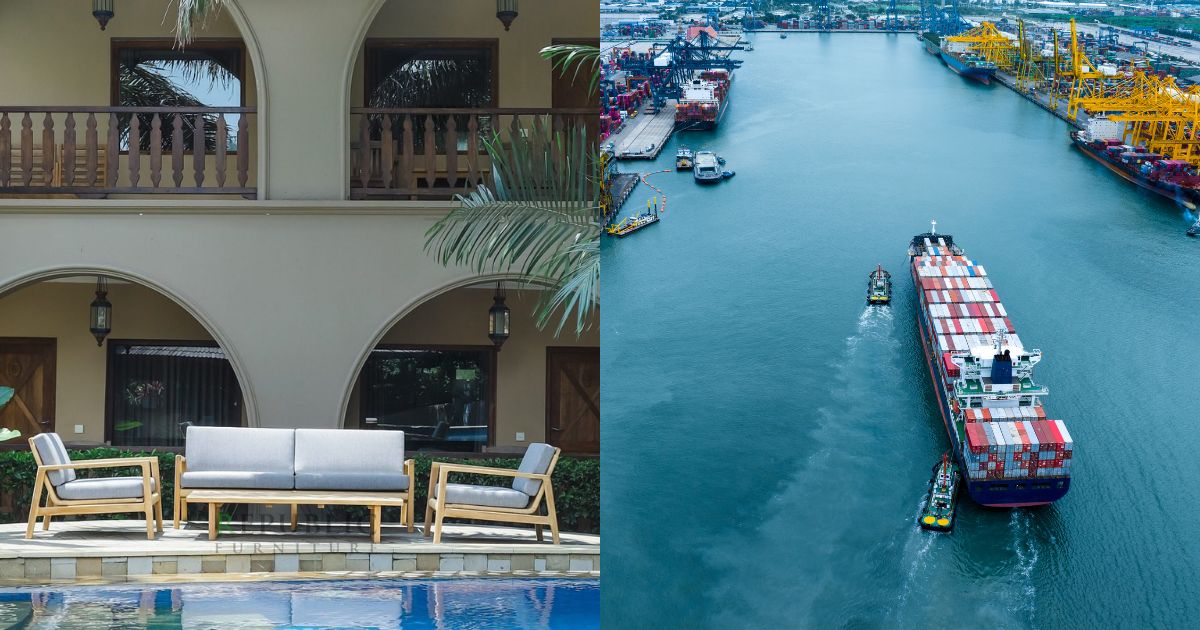
Import furniture from Indonesia to Europe is a strategic choice for businesses seeking high-quality craftsmanship, competitive pricing, and timeless design. From premium teak outdoor collections to custom indoor furniture made in Jepara, Indonesia offers a wide range of products that meet international standards.
However, navigating the process from sourcing reliable manufacturers to handling shipping, customs regulations, and import duties, requires careful planning. In this guide, you’ll learn everything you need to successfully import furniture from Indonesia to Europe, efficiently and with confidence.
How to Import Furniture from Indonesia to Europe
Here’s a complete guide how to import furniture from Indonesia to Europe safely and legally:
1. Research the European Market Needs
Before importing, identify what sells in your target market. Study design trends, preferred materials (such as teak for outdoor use), price ranges, and customer expectations in Europe. Understanding demand helps you choose the right product types and stay competitive.
2. Find an Indonesian Furniture Supplier
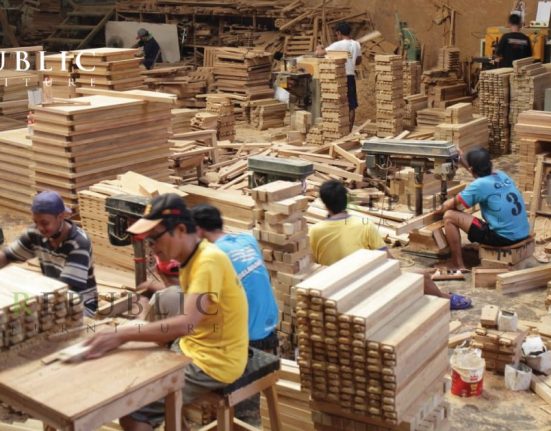
Look for experienced and export-ready suppliers in Indonesia, especially from Jepara, known for high-quality teak furniture. Whenever possible, work directly with a furniture manufacturer rather than a trading company to get better pricing and more control over customization.
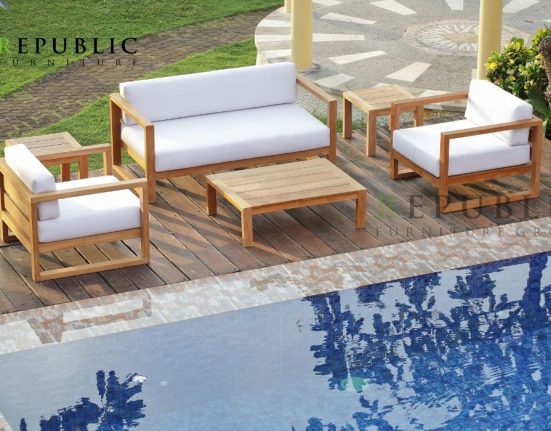
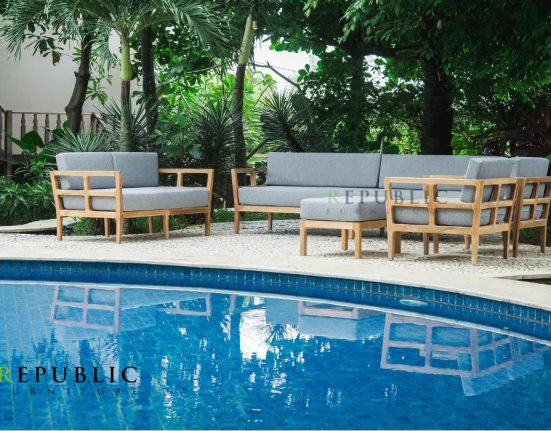
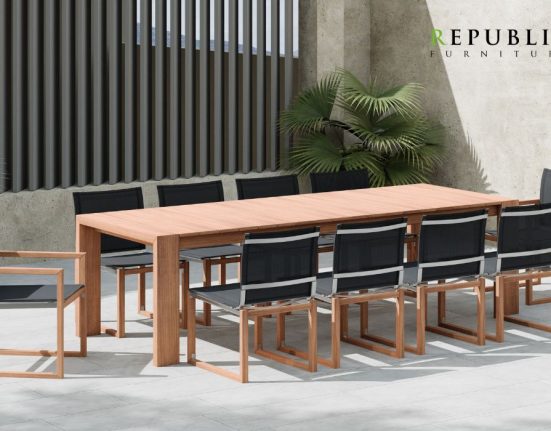
For example, furniture manufacturers like Republic Furniture offer direct factory access, custom production, and wholesale pricing, making them a strong option for long-term partnerships.
3. Request Product Details and Samples
Always ask for detailed Indonesian furniture product specifications, including dimensions, materials, finishing, and packaging. Request samples to verify quality, craftsmanship, and durability before placing bulk orders. This step minimizes risk and ensures the product meets your expectations.
4. Negotiate Price and Terms
Discuss pricing clearly, including unit cost, minimum order quantity (MOQ), payment terms, and Incoterms (such as FOB or CIF). Negotiation is key to achieving a balance between cost and quality while protecting your margins.
Also Read: How to Choose Indonesian Furniture, Expert Guide5. Ensure Product Compliance with EU Regulations
Make sure the furniture meets European Union standards, including safety, durability, and environmental regulations. This may involve certifications such as FSC for sustainable wood or compliance with REACH regulations for chemical safety. Non-compliant products can lead to delays or rejection at customs.
6. Prepare Legal and Import Documentation
Ensure all necessary documents are complete, including commercial invoice, packing list, bill of lading, certificate of origin, and any required certifications. Proper documentation is essential for smooth customs clearance in Europe.
7. Choose Shipping Method (Sea Freight Recommended)
For furniture imports, sea freight is the most efficiently and widely used option, especially for bulk orders. You can choose between Full Container Load (FCL) for large shipments or Less than Container Load (LCL) if your volume is smaller.
While sea freight takes longer than air shipping, it significantly reduces costs and is ideal for heavy and bulky items like furniture.
8. Work with a Freight Forwarder
A reliable freight forwarder can simplify the entire logistics process. They help manage shipping schedules, documentation, container booking, and coordination between supplier and destination port. Choosing an experienced forwarder ensures fewer delays and smoother handling of your cargo.
9. Handle Customs Clearance in Europe
Once your shipment arrives, it must go through customs clearance. This involves paying import duties, VAT, and ensuring all documents are correctly submitted. Working with a customs broker can help you navigate local regulations and avoid unnecessary delays or penalties.
Also Read: How to Choose Indonesian Furniture Manufacturer for Global Buyers10. Arrange Delivery and Distribution
After clearing customs, plan how your furniture will be transported to your warehouse, showroom, or customers. Efficient local logistics and distribution are essential to maintain product quality and meet delivery timelines.
11. Inspect Goods Upon Arrival
Always inspect your shipment upon arrival to ensure everything matches your order specifications and is free from damage. If there are any issues, document them immediately and communicate with your supplier to resolve claims or replacements.
12. Build Long-Term Supplier Relationships
Establishing a strong relationship with your Indonesian supplier can lead to better pricing, priority production, and consistent quality. Long-term partnerships also make it easier to handle custom orders and scale your business over time.
Successfully importing furniture from Indonesia to Europe requires careful planning, reliable partners, and attention to detail at every stage. By choosing the right shipping method, managing logistics efficiently, and building strong supplier relationships, you can create a smooth and profitable import process that supports long-term business growth.
Importing Furniture from Indonesia to Europe with Republic Furniture
Looking for a reliable partner to import furniture from Indonesia to Europe? Republic Furniture as Indonesian furniture manufacturer offers direct access to skilled Jepara craftsmen, premium teak materials, and competitive factory pricing.
Whether you need ready-made collections or custom designs for your project, our team ensures consistent quality, export-ready production, and full support throughout the shipping process. Contact us today to discuss your needs and start building a profitable, long-term furniture supply for your business.



Leave feedback about this