



Known for its exceptional wood carving and timeless teak craftsmanship, the history of Jepara furniture reflects Indonesia’s rich cultural heritage and artistic tradition. For centuries, skilled artisans in Jepara, Central Java, have created handcrafted furniture influenced by Javanese, Chinese, Arabic, and European design styles.
The combination of durable teak wood, detailed carvings, and traditional techniques has made Jepara furniture highly respected in global markets. Today, the history of Jepara furniture continues to attract buyers worldwide who seek authentic, elegant, and long-lasting wooden furniture.
Jepara Furniture History
Here are the history of Jepara furniture from royal origins to modern luxury:
1. Early Origins of Jepara Craftsmanship
The roots of Jepara furniture craftsmanship date back hundreds of years in Central Java, Indonesia. Local communities developed woodworking skills using natural resources such as teak wood from nearby forests.
Early artisans created household furniture, decorative carvings, and traditional architectural ornaments by hand. Over time, these woodworking techniques were passed down from generation to generation, forming the foundation of Jepara’s famous carving culture.
2. Influence of the Majapahit and Islamic Kingdoms
The development of Jepara furniture was strongly influenced by the Majapahit Kingdom and later Islamic kingdoms in Java. During the Majapahit era, artistic traditions flourished, including wood carving and decorative arts.
Islamic influence later introduced floral, geometric, and calligraphic carving motifs that became part of Jepara’s unique design identity. These cultural influences helped shape the elegant and detailed carving styles still seen in Jepara furniture today.
Also Read: How to Buy Furniture from Indonesia: Where to Buy & Complete Guide3. The Role of R.A. Kartini in Jepara Furniture Development
One important figure in the history of Jepara furniture was R.A. Kartini, a national heroine of Indonesia. In the late 19th and early 20th centuries, Kartini helped promote Jepara wood carving and handicrafts to wider markets.
She encouraged local artisans to improve product quality and supported the marketing of Jepara crafts outside the region. Her efforts played a major role in introducing Jepara craftsmanship to international audiences.
4. Dutch Colonial Era and European Influence
During the Dutch colonial period, European furniture styles began influencing Jepara artisans. Local craftsmen adapted classic European designs such as Victorian, Colonial, and Baroque furniture into their own handcrafted teak creations.
This combination of European elegance and traditional Javanese carving created distinctive furniture styles that became highly attractive to overseas buyers. The colonial era also expanded trade opportunities for Jepara furniture.
5. Growth of Jepara as a Furniture Center (20th Century)
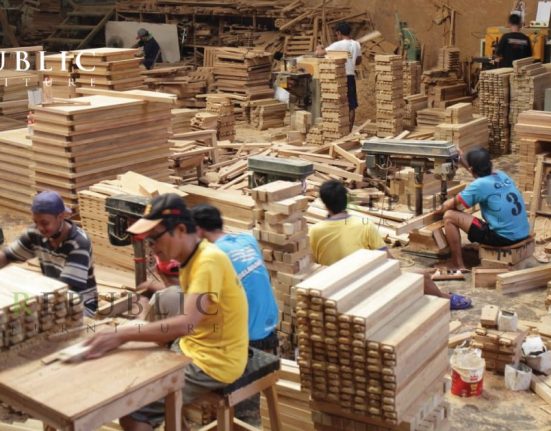
In the 20th century, Jepara experienced rapid growth as a furniture production center. Many family-owned workshops evolved into larger furniture businesses and export manufacturers.
The availability of skilled labor, quality Jepara teak wood, and strong carving traditions allowed the industry to expand significantly. Jepara became widely recognized across Indonesia as the center of teak furniture manufacturing and wood carving craftsmanship.
6. Export Boom and Global Recognition
As global demand for handcrafted wooden furniture increased, Jepara furniture entered international markets in large volumes. Buyers from the USA, Europe, Australia, the Middle East, and Asia began importing teak furniture from Indonesia because of its durability, beauty, and competitive pricing.
Jepara furniture gained worldwide recognition for combining traditional craftsmanship with premium solid wood materials, especially teak.
Also Read: How to Import Furniture from Indonesia: Expert Guide7. Modernization and Design Innovation
Today, Jepara furniture manufacturers continue to modernize production methods while maintaining traditional carving techniques. Many companies now produce minimalist, contemporary, Scandinavian, and modern tropical furniture designs to meet changing market trends.
Advanced machinery and international quality standards have also improved production efficiency while preserving handmade craftsmanship details.
8. Sustainability and Use of Legal Teak Wood
Sustainability has become an important part of the modern Jepara furniture industry. Many Jepara furniture manufacturers like Republic Furniture use legally sourced teak wood from sustainable plantations managed under Indonesian forestry regulations.
Certification systems and responsible wood sourcing help ensure environmental protection while maintaining the long-term availability of high-quality teak materials for future generations.
9. Jepara Today: A Global Furniture Hub
Today, Jepara is recognized as one of the world’s leading furniture hubs, exporting products to many countries across the globe. Thousands of artisans, workshops, and furniture manufacturers continue to support the industry through innovation, craftsmanship, and international trade.
Jepara furniture remains highly respected for its carved details, durable teak wood, and timeless designs that appeal to both classic and modern markets.
The history of Jepara furniture reflects a unique journey of cultural heritage, artistic craftsmanship, and global business growth. From ancient kingdoms and traditional carving techniques to modern export industries, Jepara has built a strong reputation as a center of high-quality teak furniture production.
Today, Jepara furniture continues to combine tradition, innovation, and sustainability, making it one of Indonesia’s most valuable contributions to the global furniture industry.


Leave feedback about this