

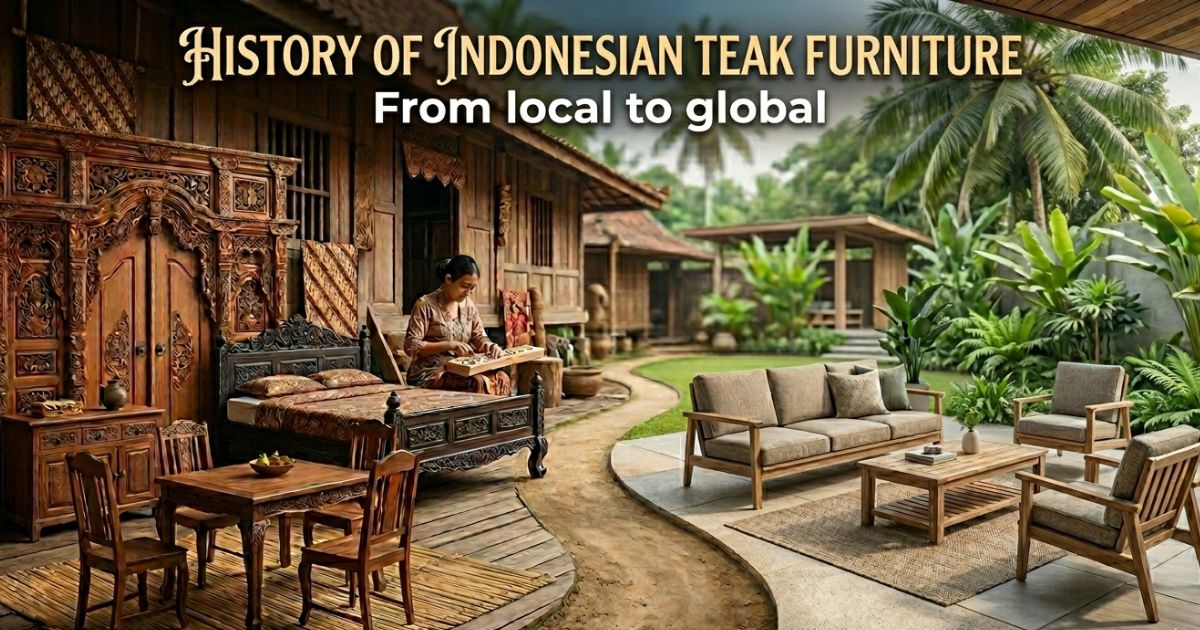
The history of indonesian teak furniture reflects a rich blend of tradition, craftsmanship, and natural excellence that has evolved over centuries. Originating from the skilled artisans of Java, particularly in Jepara, teak furniture was once reserved for royal palaces and noble households.
Over time, this heritage expanded beyond Indonesia, gaining global recognition for its durability, elegant design, and resistance to the elements. Today, Indonesian teak furniture continues to stand as a symbol of timeless quality, combining cultural artistry with modern innovation to meet the demands of international markets.
In this article, Republic want to explore Indonesian teak furniture history from local to global demand.
Indonesian Teak Furniture History
Here are the history of Indonesian teak furniture from local to global demand:
1. Origins of Teak Wood in Indonesia
Teak wood (Tectona grandis) is native to South and Southeast Asia, but it thrives exceptionally well in Indonesia’s tropical climate, particularly on the island of Java. Large-scale cultivation began centuries ago and was later systematized, making Indonesia one of the world’s leading sources of high-quality teak. The wood quickly became valued for its natural oils, strength, and resistance to weather and pests.
2. Teak Furniture in Ancient Kingdoms
In ancient Javanese kingdoms such as Majapahit and Mataram, teak wood was considered a premium material reserved for royalty and nobility. It was used to build palaces, temples, and finely crafted furniture. These early uses established teak as a symbol of status, durability, and refined artistry.
Also Read: History of Indonesian Furniture, from Traditional to Modern3. Dutch Colonial Influence
During the Dutch colonial period, teak wood gained even greater economic importance. The Dutch recognized its durability and used it extensively for shipbuilding, infrastructure, and furniture. They also introduced more structured forestry management systems, which helped regulate teak plantations and improve production quality.
4. Rise of Jepara as a Furniture Center
Jepara, a coastal town in Central Java, emerged as the heart of Indonesian teak furniture production. Known for its highly skilled woodcarvers, Jepara developed a reputation for intricate designs and superior craftsmanship. The region’s artisans combined traditional techniques with evolving styles, making it a global hub for teak furniture manufacturing.
5. Traditional Craftsmanship Techniques
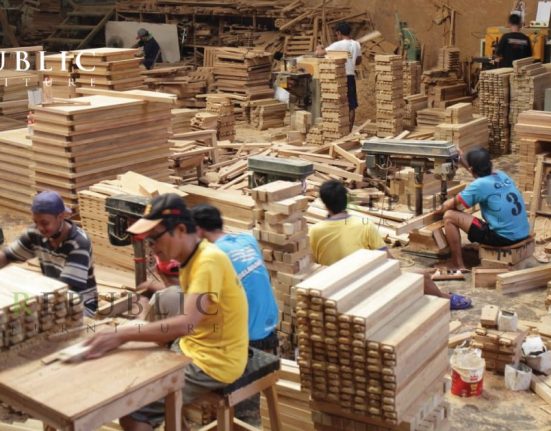
Indonesian teak furniture is deeply rooted in handcrafting traditions passed down through generations. Techniques such as detailed wood carving, joinery without nails, and hand-finishing ensure both durability and artistic value. These methods highlight the human touch behind each piece, making every item unique.
6. Modernization and Global Expansion
In recent decades, Indonesian teak furniture has expanded into international markets, becoming a top export commodity. Modern production techniques, combined with sustainable forestry practices, have helped maintain quality while meeting global demand. Today, teak furniture from Indonesia is widely recognized for both outdoor and indoor use, appreciated for its longevity and timeless appeal.
Also Read: Is Indonesian Teak Furniture Good Quality? 10 Key Facts7. Sustainability and Legal Wood Sourcing
As global awareness of environmental issues has grown, Indonesia has taken significant steps to ensure teak wood is sourced responsibly. Government-regulated systems such as SVLK (Timber Legality Assurance System) ensure that teak used in furniture production comes from legal and sustainably managed forests.
8. Now: Become Global Demand and Popular
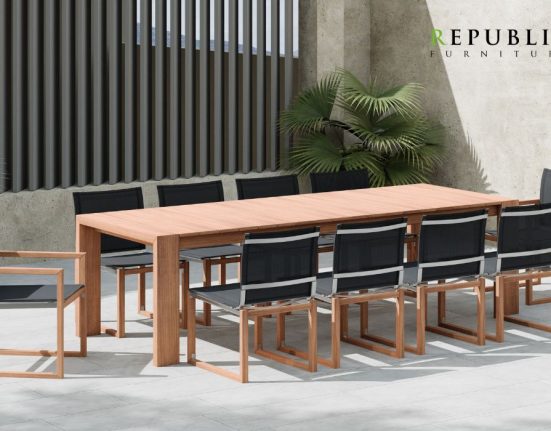
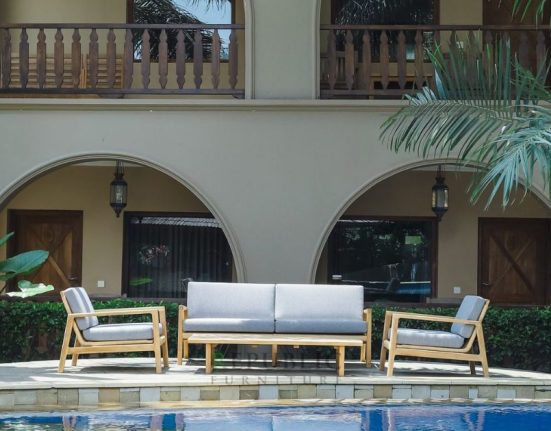
Today, Indonesian teak furniture enjoys strong global demand across Europe, the United States, and the Middle East. Its popularity is driven by its durability, weather resistance, and timeless design that fits both classic and modern aesthetics. Teak furniture is especially favored for outdoor settings, luxury resorts, and high-end residential projects.
From sustainable sourcing to worldwide popularity, Indonesian teak furniture has successfully evolved with the times while preserving its cultural roots. Its journey from local craftsmanship to global recognition highlights a perfect balance between tradition, quality, and environmental responsibility. Choosing Indonesian teak furniture today means investing in a product that carries history, integrity, and lasting value.



Leave feedback about this