
One of the most important aspects to consider when choosing furniture is the durability and service life of the material. This can often be evaluated even before using the product. Speaking with people who already own furniture made from different materials—such as wood or plastic—can offer valuable insights. Reading user experiences and reviews also helps build a clearer comparison between materials.
Reviews found on the websites of custom furniture makers tend to be especially informative. They often discuss not only the strengths but also the limitations of the products, presented through constructive feedback. This transparency allows potential buyers to make decisions based on real performance rather than assumptions.
Find the Main Advantage
Wooden furniture is widely recognized for its durability and long service life when compared to plastic alternatives. Plastic furniture is usually produced quickly, often featuring appealing designs and bright colors. While visually attractive, these products tend to prioritize speed and affordability over longevity.
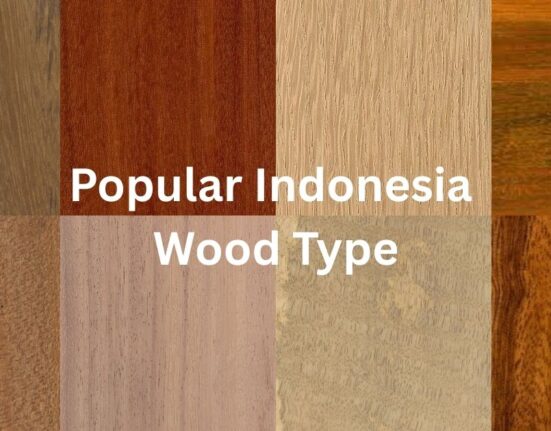
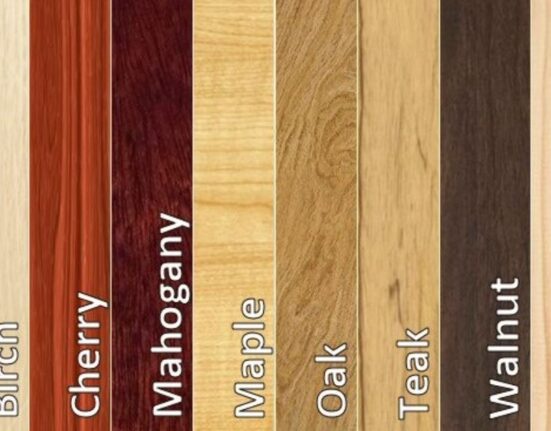
In contrast, crafting wooden furniture requires more time and attention to detail. Skilled craftsmen focus on precision, especially when working with solid wood. Teak wood, in particular, is valued for its strength, structural stability, and naturally beautiful grain patterns. Furniture made from genuine Indonesian teak is known for being sturdy, resistant to cracking, and far less prone to bending or breaking than plastic furniture.
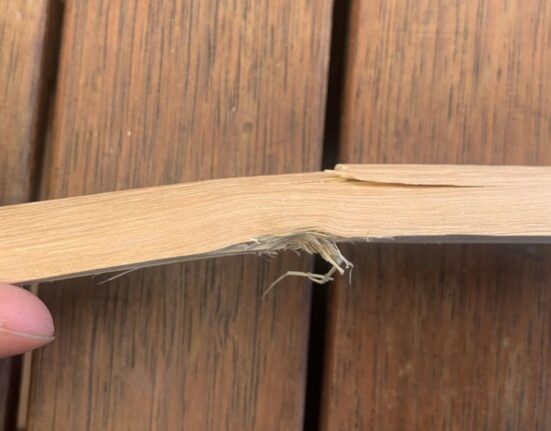
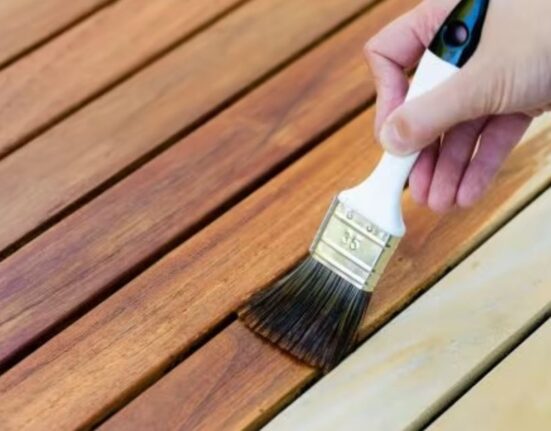
Plastic furniture, on the other hand, is more vulnerable to wear and tear. It can crack or break after relatively short use, especially under weight or prolonged exposure to heat. Teak wood furniture requires minimal maintenance and can remain functional and visually appealing for decades, often lasting across generations.
Choose an Eternal Investment
Many people are willing to invest more in wooden furniture because they view it as a long-term decision. Paying a higher price upfront often feels more reasonable than repeatedly replacing cheaper items that fail over time. This approach reduces both financial waste and inconvenience.
There is also an environmental aspect to consider. Plastic furniture contributes to long-lasting waste, as plastic does not decompose naturally. Continuous replacement leads to increased accumulation of materials that the environment cannot easily absorb.
Wooden furniture, especially pieces made from teak, holds a different value. Teak furniture frequently appears in markets for rare or antique goods, admired by collectors for its aging beauty. As teak matures, its character deepens, often increasing its value over time. This places it in a distinctly different category from mass-produced plastic furniture.
Beyond financial value, teak furniture also preserves memories. Well-crafted pieces can become part of a family’s story, passed down from one generation to the next. This lasting presence is one of the reasons why indonesia teak furniture continues to be regarded as a meaningful investment rather than a disposable product.
If you are considering teak wood furniture as a long-term addition to your home or workspace, you can get in touch with our team to discuss design preferences, materials, and the custom process in a more thoughtful and collaborative way.