
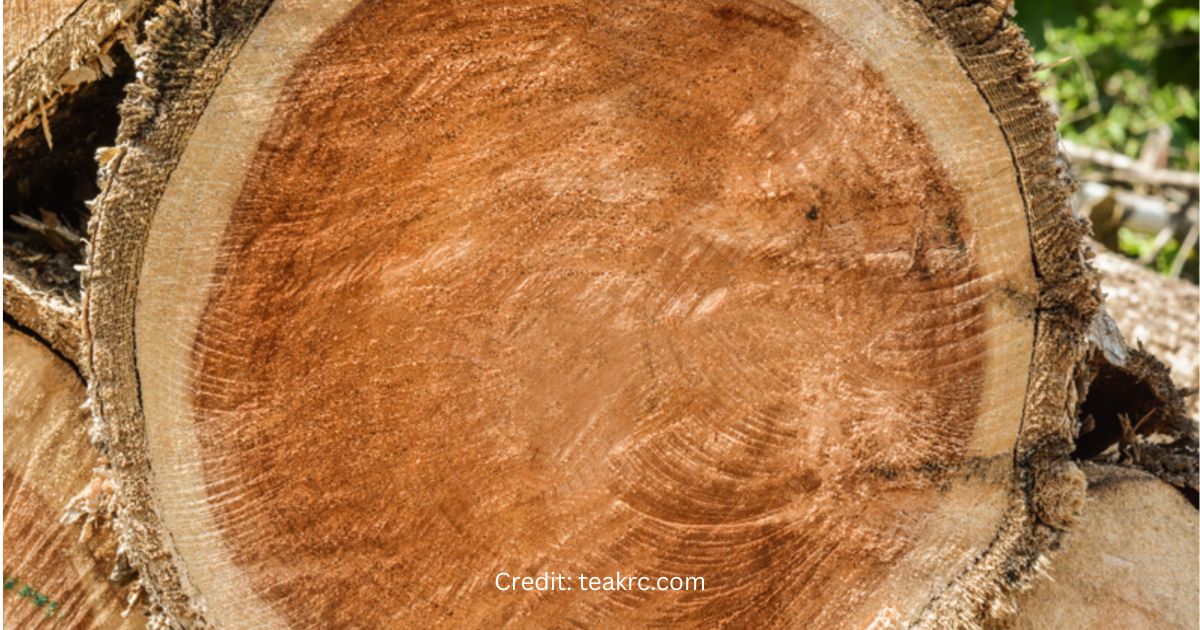
Why is teak so durable? This question comes up often when people compare wood options for furniture, decking, or construction projects. Teak stands apart because of its naturally high oil content, dense grain structure, and exceptional resistance to moisture, insects, and decay.
These built-in qualities allow teak wood to withstand harsh weather conditions while maintaining its strength, beauty, and performance for decades, making it one of the most trusted and long-lasting hardwoods in the world.
In this article, Republic Furniture want to share reason why teak wood durable.
Why Is Teak So Durable?
Teak has earned a legendary reputation as one of the most durable woods in the world. From ancient shipbuilding to modern luxury furniture (especially for outdoor furniture), it has been trusted for generations.
Its durability isn’t accidental, it’s the result of several natural characteristics working together.
Below is a key reason of why teak wood is so durable:
1. Natural Oils & Resins
Teak wood is rich in natural oils and resins that act as built-in protectants. These oils repel water, prevent moisture absorption, and reduce the risk of rot, warping, or cracking. Unlike many other woods, teak doesn’t rely on chemical treatments to survive harsh conditions.
2. Dense Grain Structure
Teak has a tight, dense grain structure, which makes it less porous. This density limits the penetration of water, air, and microbes, significantly slowing down deterioration and enhancing long-term strength.
Also Read: 10+ Reasons Why You Choose Indonesian Teak Wood for Furniture3. Natural Weather Resistance
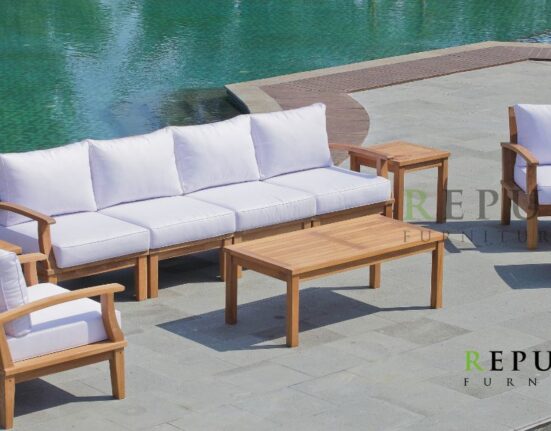
Thanks to its oils and density, teak naturally resists rain, sun, humidity, and temperature changes. This is why it performs exceptionally well for outdoor furniture, whether in tropical climates, coastal areas, or exposed environments.
4. Kind of Natural Pesticide
Teak contains compounds that naturally repel insects such as termites and wood-boring pests. In effect, the wood behaves like it has a built-in pesticide, protecting itself without artificial chemicals.
5. High Strength & Extremely Hard
Teak is both strong and hard, with a Janka hardness rating of approximately 1000–1155. This means it can withstand heavy use, impact, and wear without denting or breaking easily, making it ideal for furniture, flooring, and marine use.
6. Low Maintenance
Because teak already contains protective oils, it requires very little maintenance. It doesn’t need frequent sealing, polishing, or chemical treatments to stay functional, which adds to its long-term durability and cost-effectiveness.
7. Natural Ageing Process
As teak ages, it develops a silver-gray patina rather than deteriorating. This natural aging process does not weaken the wood; instead, it preserves structural integrity while offering an attractive, weathered appearance.
Also Read: 7 Guide to Choose Best Teak Furniture That Lasts for Years8. Acts as the Latex
Teak’s natural oils function similarly to latex in plants, they seal the wood from within. This self-sealing ability helps close micro-cracks, reduces moisture intrusion, and extends the lifespan of the wood.
9. Silica Gives It Solidity and Resistance
Teak contains silica, a mineral that adds extra hardness and abrasion resistance. Silica strengthens the wood fibers, making teak more resistant to wear, friction, and environmental stress compared to many other hardwoods.
So, why teak wood durable? It’s the perfect combination of natural oils, dense grain, pest resistance, strength, and mineral content. Teak protects itself from weather, insects, and time, all while requiring minimal maintenance.
This rare blend of qualities is why teak remains one of the most reliable, long-lasting, and valuable woods in the world.
Choose Lasting Quality Teak Furniture with Republic Furniture
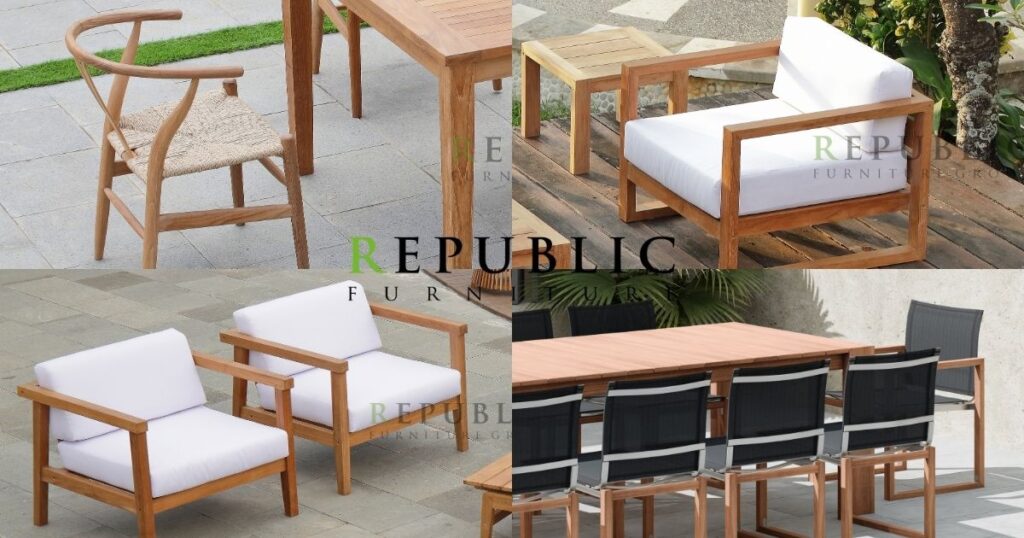
If you’re looking to invest in furniture that truly stands the test of time, Republic Furniture as trusted Indonesia furniture manufacturer in Jepara since 1999 offers expertly crafted teak furniture designed for durability, beauty, and everyday living.
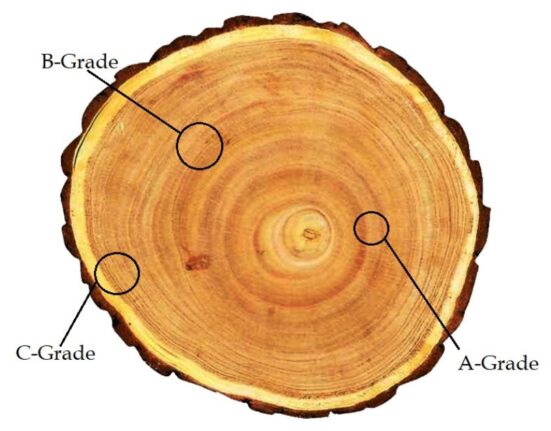
Using premium-grade teak and skilled craftsmanship, Republic Furniture creates pieces that combine natural strength with timeless design, perfect for both indoor and outdoor spaces.
Buy Indonesia teak furniture in Republic Furniture today to experience why high-quality teak furniture is a long-term investment in comfort, style, and reliability. Let your space reflect durability that lasts for generations.
Source:
- https://www.cyan-teak-furniture.com/faqs/materials-construction/what-is-teak-wood-and-why-is-it-so-great
- https://www.patioproductions.com/blog/features/how-long-does-teak-furniture-last-expert-insights-and-maintenance-tips/
- https://bfppl.com/what-makes-teak-wood-furniture-a-long-lasting-choice/
- https://www.teakrc.com/understand-why-teak-wood-is-more-durable/