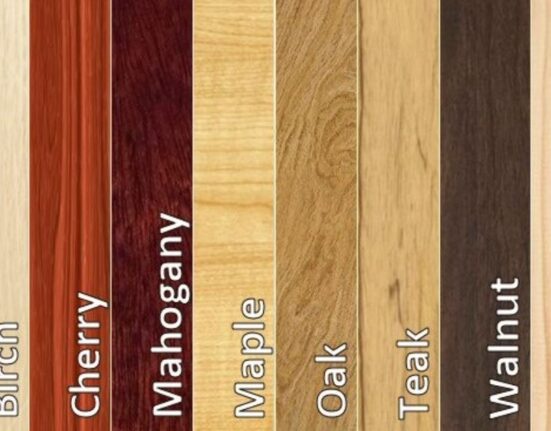

Not all wooden furniture comes with a high price tag. Some pieces are surprisingly affordable, even comparable to plastic alternatives. Yet, there are moments—such as finding a wooden table in a thrift shop—when people wonder why certain wooden furniture feels so expensive. What they are often seeing is furniture made from high-quality wood, valued for its strength and resistance to environmental conditions.
The Choice is Yours
Teak wood is often cited as an example of material that justifies its price. It lasts for decades, adapts well to various designs, and carries naturally attractive grain patterns. This contrasts with lower-priced furniture that may look appealing and feel comfortable at first, yet struggle to endure long-term use. Exposure to termites or harsh outdoor weather often reveals the limitations of cheaper materials.
Ultimately, the decision rests with the buyer. Some prefer investing in furniture that may cost more initially but offers long-term reliability. Others choose lower-priced options, accepting the uncertainty that comes with shorter durability.
Quality Furniture Within Reach — Well-made wooden furniture does not always have to be out of reach. You can explore a curated selection via indonesia furniture online, where quality and practicality meet.
Determining the Price of Wooden Furniture
The price of wooden furniture is influenced by more than just the type of wood used. Teak, for instance, is known to be costly, especially when transformed into custom furniture with intricate designs. The craftsmanship, production process, and delivery all contribute to the final price.
In some cases, artists create furniture from solid hardwood sourced directly from mature trees. Hardwood grows slowly and has a dense structure, resulting in limited supply and higher value. This makes it a preferred material for those seeking premium quality and long-lasting pieces.
Other makers may choose softwood for personal projects. Softwood grows faster and is less dense, allowing for quicker processing and more accessible pricing. Furniture made from softwood can still be functional and visually pleasing, though it typically does not command the same price as hardwood-based works.
Technology also plays a role in pricing. Mass production through industrial processes allows furniture to be produced efficiently and consistently, improving overall quality while keeping costs manageable. As a result, wooden furniture that was once considered a luxury is now more widely available.
At the same time, handmade furniture continues to hold strong appeal. Pieces crafted by hand often reflect higher levels of precision and artistic intention. While the process demands skill and time, it can significantly increase the value of the final product.
Choosing wooden furniture is ultimately about aligning expectations with purpose. When longevity and sustainability matter, investing in well-crafted pieces can be a thoughtful decision. If you would like to explore options or discuss craftsmanship in more detail, you can get in touch with our team to exchange ideas and find solutions that suit your needs.