
Regular oil treatment plays an important role in extending the lifespan of wooden furniture, especially pieces exposed to varying temperatures and humidity such as teak garden furniture. With proper care, wood furniture can remain stable, attractive, and resistant to warping or splitting for many years.
Today, many wood care products are available on the market. However, several traditional wood oils remain the most trusted choices among homeowners because of their proven performance over time. What is the best oil treatment for wood furniture?
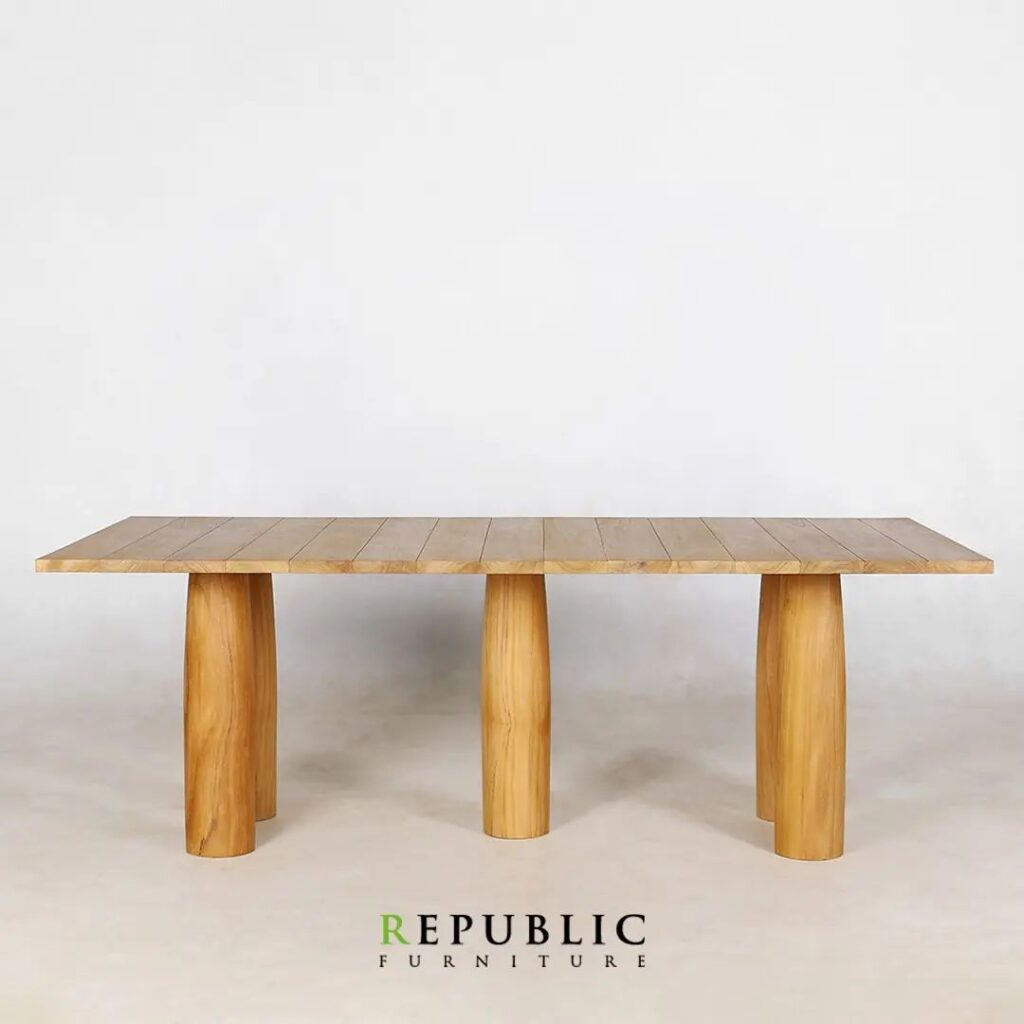
Each traditional wood oil has unique characteristics. Some are better suited for indoor furniture, while others provide stronger protection for outdoor use. Their finish, drying time, and resistance level also differ, which is why one oil may not be ideal for every furniture type.
What Is the Best Oil Treatment for Wood Furniture?
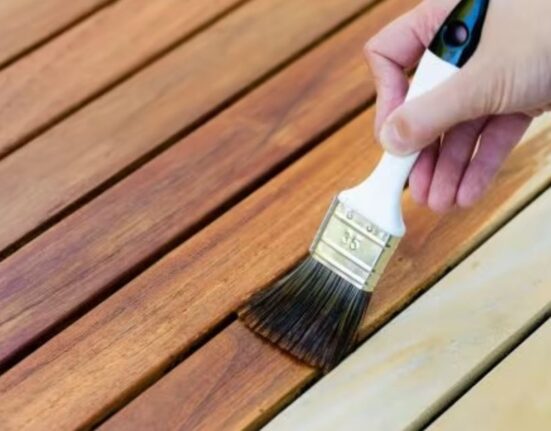
Oil treatment enhances the natural appearance of wood while protecting it from cracking and warping. This protection works best when applied regularly using the appropriate oil. Below are several widely recommended wood oils and their characteristics.
-
Teak Oil
What is the best oil for wood furniture? Teak oil is often the first answer. It penetrates deeply into hardwood, replacing lost natural oils and providing strong weather resistance.
Teak oil dries relatively quickly, usually within six hours, and is suitable for both indoor and outdoor hardwood furniture. It enhances the wood’s natural tone with a matte finish and only slightly darkens the surface.
-
Tung Oil
Tung oil provides excellent protection against moisture and chemical exposure, making it suitable for dining tables and frequently used surfaces. It is food-safe and works well for both indoor and outdoor furniture.
This oil produces a matte finish and darkens the wood slightly. However, it requires a longer drying time, typically around 24 hours.
-
Danish Oil
Danish oil is ideal if you prefer a satin finish. Its formula combines natural oils with resins and varnish, allowing it to penetrate wood while forming a protective surface layer.
This oil dries faster than tung oil, slightly darkens the wood, and is best suited for indoor furniture applications.
-
Linseed Oil
Boiled linseed oil, derived from flax plants, is commonly used for indoor furniture. It provides moderate protection, darkens the wood surface, and produces a semi-gloss finish.
Although it is slower to dry than teak oil, linseed oil remains a practical option for furniture that does not face direct outdoor exposure.
Other Articles :
outdoor furniture collections
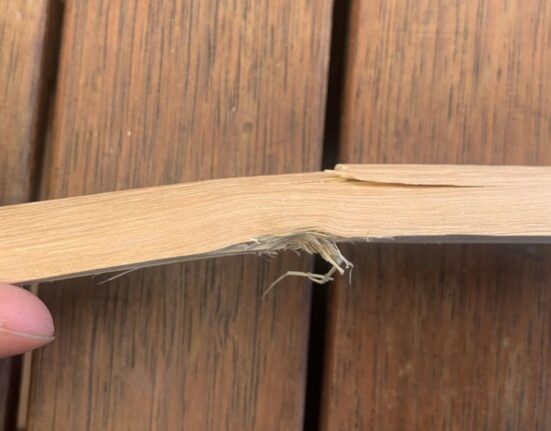
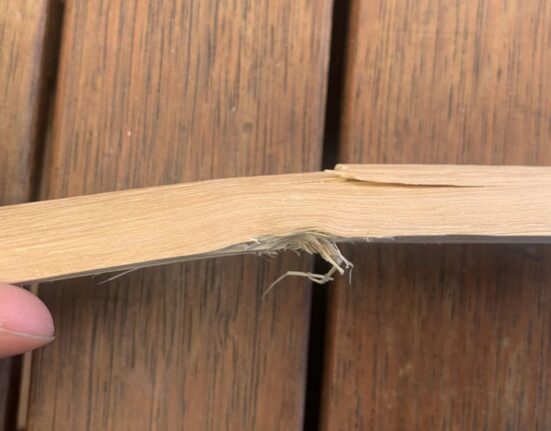
What is the best oil treatment for wood furniture? Teak oil, tung oil, Danish oil, and boiled linseed oil are all effective options, depending on furniture placement and usage. If your furniture has already begun to split or warp and requires professional evaluation, you can contact us for further assistance.