
Many homeowners admire the character of old hardwood furniture. Over time, natural wood develops a distinct appearance that feels warmer and more authentic than newly finished pieces. Still, some people question its durability and wonder whether time weakens wood. In reality, understanding what happens to wood with age helps homeowners care for their furniture properly.
What Happens to Wood with Age?
Wood is a durable natural material, but it is not immune to aging. As years pass, wood furniture undergoes several physical and visual changes.
-
Color Changes
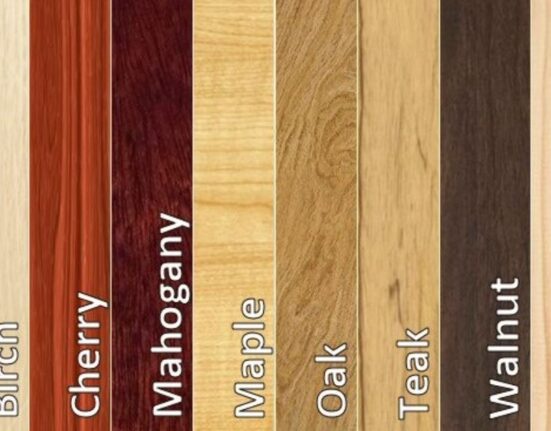
One of the most noticeable effects of aging is color transformation. Oxidation and exposure to light gradually alter the wood’s surface. Each wood species reacts differently.
For example, teak wood typically shifts from a warm honey-gold tone to a silvery-gray patina, while cherry wood darkens into a richer amber shade. In addition to natural aging, stains from water, heat, metal, or chemicals may appear over time.
-
Reduced Moisture Content
As wood ages, it gradually loses moisture. Lower moisture content increases stiffness and strength, which explains why some old furniture feels sturdier than new pieces.
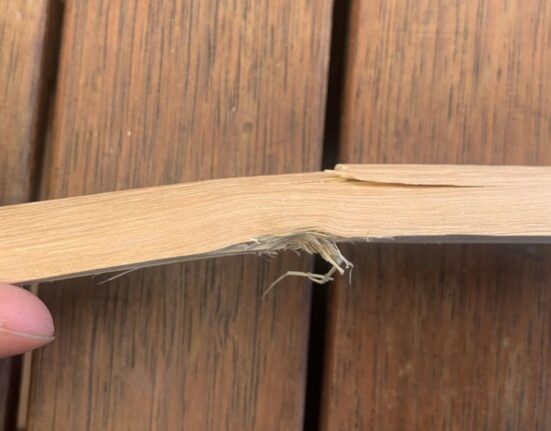
However, excessive moisture loss can cause cracking or warping, especially in very dry environments. Seasonal care is essential to keep the wood balanced.
-
Fungal Damage
Aging wood furniture may also suffer fungal damage, particularly when exposed to moisture or poor ventilation. This problem is common in outdoor furniture or improperly seasoned wood.
Fungal damage weakens wood fibers and may cause discoloration, powdery residue, or hollow sounds when the surface is tapped.
-
Scratches and Dents
Older wood furniture naturally collects scratches and dents from daily use. Homes with pets or children often show these signs more clearly.
While these marks may reduce visual perfection, many people see them as part of the furniture’s character. Fortunately, several restoration methods can refresh its appearance.
Other Articles :
Does Wetting Wood Make It Stronger?: How Water Affects Wood’s Strength
Tips for Caring for Old Wood Furniture
Without proper care, aging wood furniture may deteriorate faster than expected. The following practices help preserve its condition:
- Clean furniture regularly to prevent dust-related scratches.
- Wipe spills immediately to avoid moisture absorption.
- Avoid placing hot or wet items directly on wood surfaces.
- Reduce surface scratches using gentle polishing techniques.
- Apply wood filler for deeper dents when necessary.
- Rotate furniture placement to ensure even aging.
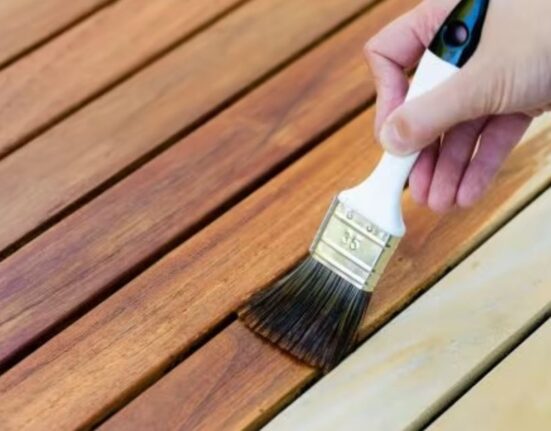
- Oil the wood at least once a year to prevent drying and fungal damage.
Well-maintained teak outdoor furniture can age gracefully for decades.
What happens to wood with age?
Wood naturally changes in color, texture, and moisture over time. With proper care and quality materials, aging does not mean weakness. If you need professional advice or replacement furniture, you can contact us for assistance.