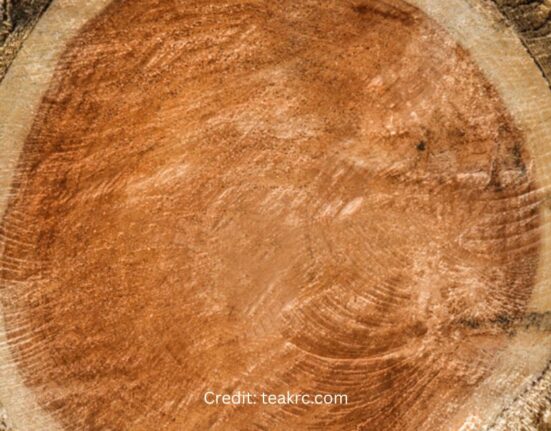

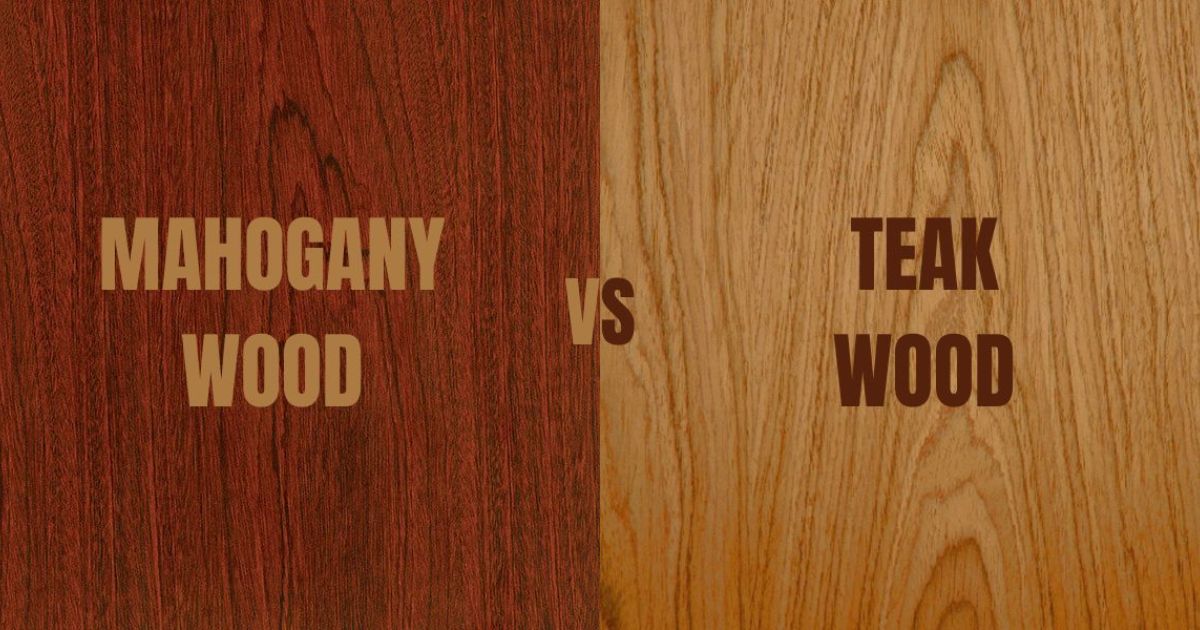
When comparing teak wood vs mahogany, both are popular choices in the furniture industry, each with its own distinct beauty and performance. Mahogany is known for its rich reddish-brown tone and clean, linear grain. Teak stands out with a golden-brown hue and a straight grain that can look slightly wavy in certain cuts.
Choosing between the two depends on your preference, budget, and how the furniture will be used (indoor vs outdoor, dry vs humid areas). Understanding the differences below will help you choose the best wood for your furniture or design goals.
Teak Wood vs Mahogany Wood
Teak and mahogany both offer strong advantages. The “better” option depends on the function, location, and durability expectations. Here is a detailed breakdown.
1. In Terms of Material Composition
Teak is naturally dense and contains high levels of protective oils that strengthen its resistance to moisture, insects, and long-term wear. This makes teak highly reliable in demanding environments.
Mahogany typically has a moderately dense and uniform structure with lower natural oil content. It is smooth, stable, and easy to shape for detailed craftsmanship, but it depends more on protective finishes to maintain long-term resilience, especially in humid conditions.
2. In Terms of Color
Teak has a warm golden-brown tone that can naturally weather into a silver-grey patina when exposed to outdoor conditions, offering two attractive looks over its lifespan.
Mahogany features a rich reddish-brown color that generally deepens over time, creating a luxurious and classic appearance widely used for premium interiors.
3. In Terms of Durability and Sustainability
Teak is widely recognized for exceptional durability, with strong natural resistance to moisture, termites, and decay making it one of the most long-lasting woods for furniture.
Mahogany can also be durable, but it is generally less naturally resistant to moisture and pests. Longevity depends more heavily on finishing quality and maintenance. Because some mahogany species are threatened, sourcing responsibly is important for sustainability.
4. In Terms of Aesthetics
Teak displays a natural texture with straight-to-slightly-wavy grain patterns. It tends to look warm, organic, and slightly rustic making it popular for natural, modern, and outdoor settings.
Mahogany has a smooth, consistent grain that reflects light well. This gives a refined, elegant, and timeless impression often chosen for formal, classic, or high-end interior styles.
5. In Terms of Cleaning
Teak is relatively easy to clean using mild soap and water because its dense, oily surface helps resist deep staining.
Mahogany typically requires gentler cleaning. Using a soft cloth and wood-safe products is recommended to protect the finish and prevent uneven discoloration.
6. In Terms of Maintenance
Teak generally requires minimal maintenance. Its natural oils help protect the wood even without frequent treatment, especially compared to many other hardwoods.
Mahogany benefits from periodic polishing, waxing, or protective coatings to maintain sheen and reduce the risk of dryness, fading, or moisture penetration.
7. In Terms of Restoration
Teak can often be refreshed with light sanding and, if desired, teak oil application bringing weathered surfaces closer to a near-new appearance.
Mahogany restoration usually requires more steps such as sanding, re-staining, and re-varnishing, especially when scratches or fading create uneven surface color.
8. In Terms of Natural Oil Content
Teak has high natural oil content, acting as built-in protection against fungi, insects, humidity, and weather exposure, one reason it performs extremely well outdoors.
Mahogany has low oil content and relies more on sealants, varnish, or protective finishes to enhance durability and resistance.
9. In Terms of Application
Teak is suitable for both indoor and outdoor use, especially for pieces that face humidity, rain, or sun exposure due to its strong natural resistance.
Mahogany is best for indoor furniture such as cabinets, bed frames, and decorative pieces. It can be used in shaded outdoor spaces but is generally not ideal for harsh outdoor exposure without strong protection.
10. In Terms of Outdoor Use
Teak performs exceptionally well outdoors, handling rain, sun, and humidity with minimal structural change, though it may naturally change color over time.
Mahogany can be used outdoors but requires proper sealing and routine maintenance to prevent fading, cracking, and moisture damage.
11. In Terms of Price
Teak is generally more expensive due to its high demand, durability, and limited supply, often considered a long-term investment for premium furniture.
Mahogany can be a more affordable “luxury” alternative that still offers excellent beauty and performance for indoor applications.
Overall, teak is typically the stronger recommendation for projects requiring maximum durability, weather resistance, and low maintenance, especially in outdoor or high-moisture environments.
Mahogany remains an excellent option for indoor furniture where refined aesthetics and detailed craftsmanship are priorities. If longevity and outdoor resilience matter most, teak is the safer choice. If elegant indoor character and workability matter more, mahogany offers strong value.
Customize Outdoor Furniture with High Quality Teak Wood
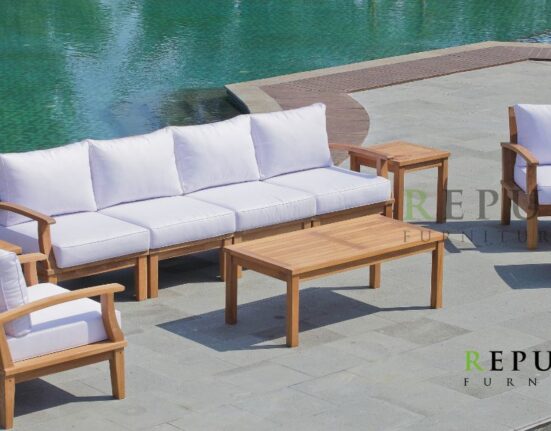
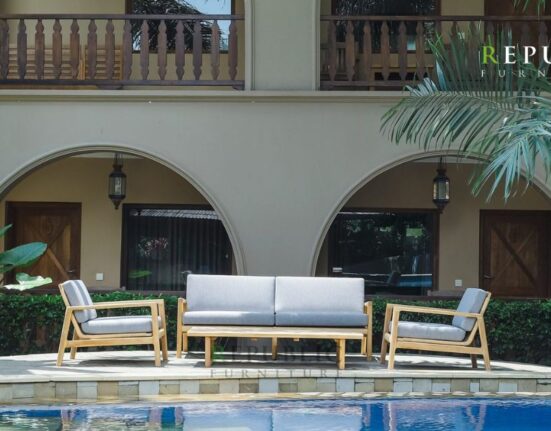
Custom furniture is not only about selecting a design, it is also about choosing a material that delivers strength, beauty, and long-term value. High-quality teak wood stands out as one of the best choices for customization thanks to its durability, natural elegance, and timeless appeal.
Republic Furniture provides an easy and reliable platform where you can request tailor-made teak furniture that matches your needs and style. To discuss custom outdoor furniture made from premium teak wood from Jepara, please contact us.
Reference:
- https://mojoboutique.com/blogs/blog/mahogany-wood-vs-teak
- https://www.asean-sourcing.com/teak-vs-mahogany-furniture-which-one-to-choose/
- https://teakfurn.com/teak-wood-furniture-vs-mahogany/