
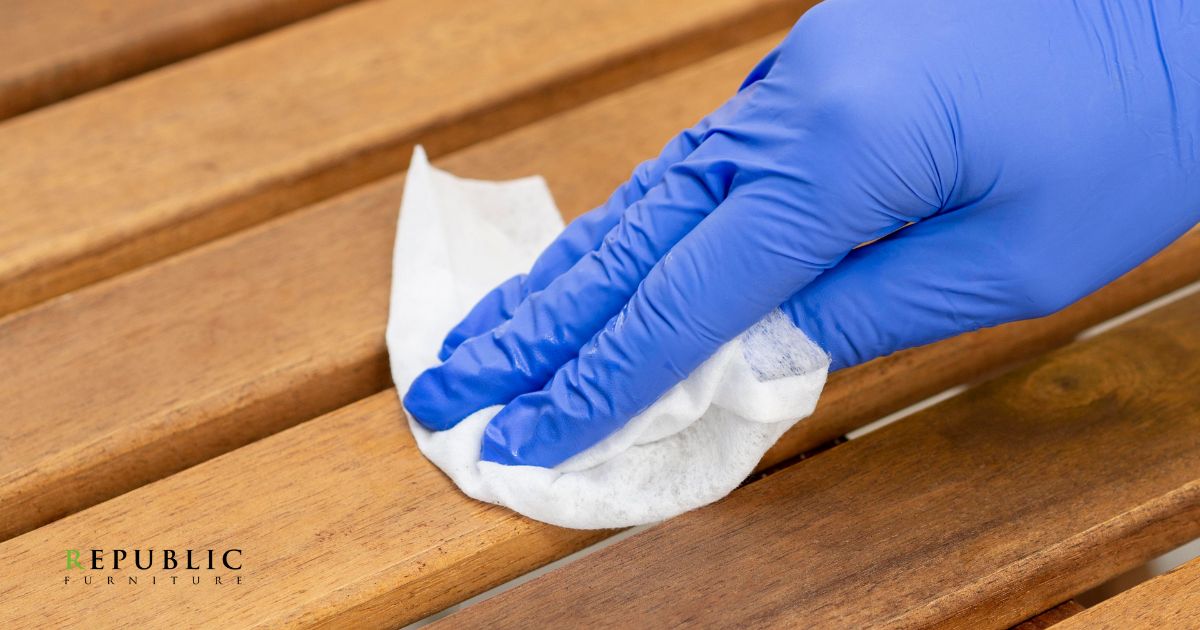
Teak garden furniture cleaning is an essential practice for preserving the natural beauty, structural integrity, and longevity of this highly valued hardwood. Renowned for its durability and elegant appearance, teak requires proper maintenance to ensure it withstands outdoor exposure while retaining its refined character.
By adopting an informed and methodical approach to teak garden furniture cleaning, homeowners can protect their investment and maintain a sophisticated outdoor environment that endures season after season.
How to Clean Teak Garden Furniture?
Cleaning teak garden furniture requires an understanding of the wood’s natural characteristics and the appropriate methods to preserve its quality. By following the correct cleaning procedures and using suitable materials, homeowners can ensure their teak furniture remains in optimal condition throughout the seasons.
The following guidelines show the essential steps for effectively and safely for teak garden furniture cleaning.
1. Remove Cushions or Covers
Begin by removing all cushions, covers, or fabric accessories to prevent them from getting damaged or stained during the teak garden cleaning furniture cleaning process. This also allows you to access every part of the teak furniture for a more thorough and effective cleaning.
2. Prepare Cleaning Solution
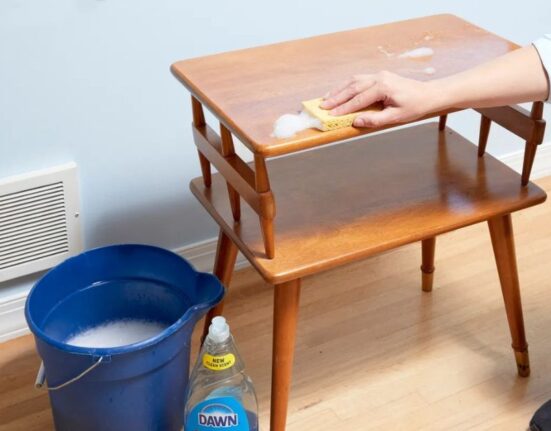
Create a gentle cleaning teak garden furniture care solution by prepare teak furniture cleaner.
Mix warm water with a mild, non-abrasive soap to create a gentle yet effective cleaning solution specifically formulated to protect teak wood. Ensure the soap is fully dissolved to avoid leaving any residue that might compromise the wood’s natural surface and long-term appearance.
3. Gently Scrub the Teak Garden Furniture
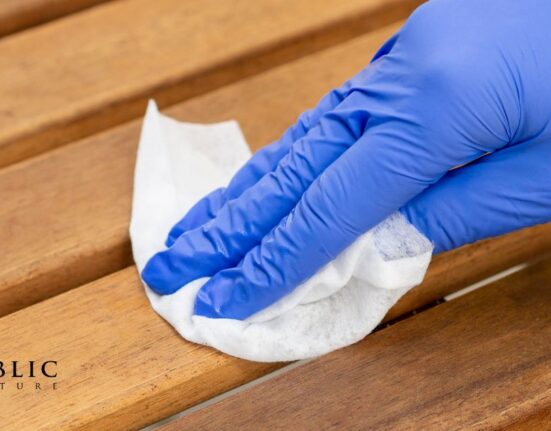
Use a soft-bristle brush to gently scrub the teak surface, carefully working along the natural grain to avoid scratching or damaging the wood. Apply light and consistent pressure to effectively lift dirt, stubborn stains, and accumulated surface buildup without compromising the garden furniture’s refined texture or structural integrity.
4. Rinse Teak Garden Furniture with Clean Water
After scrubbing, thoroughly rinse the teak garden furniture with clean water to remove all soap and loosened debris. Proper rinsing helps maintain the wood’s natural appearance and prevents soap residue from causing discoloration.
5. Allow the Garden Furniture to Dry
Let the garden furniture air-dry completely in a shaded or well-ventilated area to prevent uneven drying, discoloration, or potential cracking of the wood. Avoid exposing it to direct sunlight during this stage, as excessive heat may disrupt the wood’s natural moisture balance and gradually weaken its overall durability.
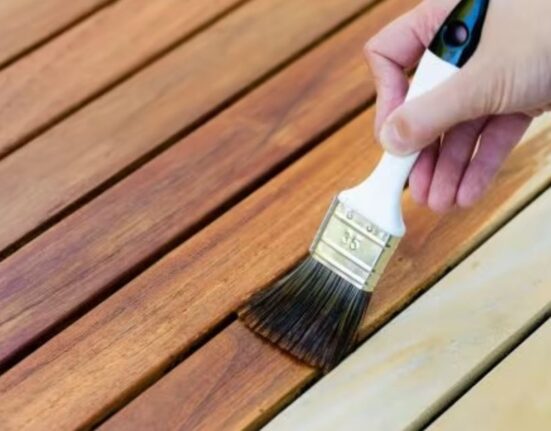
6. Apply Teak Protector (Optional)
Once the garden furniture is fully dry, you may apply a teak protector to enhance its color and extend its longevity. This optional step helps maintain the wood’s rich tones and adds an extra layer of protection against outdoor elements.
By following these essential teak garden cleaning steps, homeowners can effectively preserve the natural beauty and structural integrity of their teak garden furniture.
Consistent maintenance not only enhances its appearance but also ensures long-lasting durability, allowing the furniture to withstand outdoor conditions and remain a timeless feature in any garden setting.
Ensure that you select high-quality teak wood for your garden furniture, and visit the Republic Furniture website to explore the finest options for your home.
Reference:
- https://mrteak.co.uk/blogs/news/how-to-clean-teak-furniture-for-your-garden-a-complete-guide
- https://www.eco-outdoor.com/en-nz/outdoor-design/cleaning-maintaining-teak-a-comprehensive-guide