
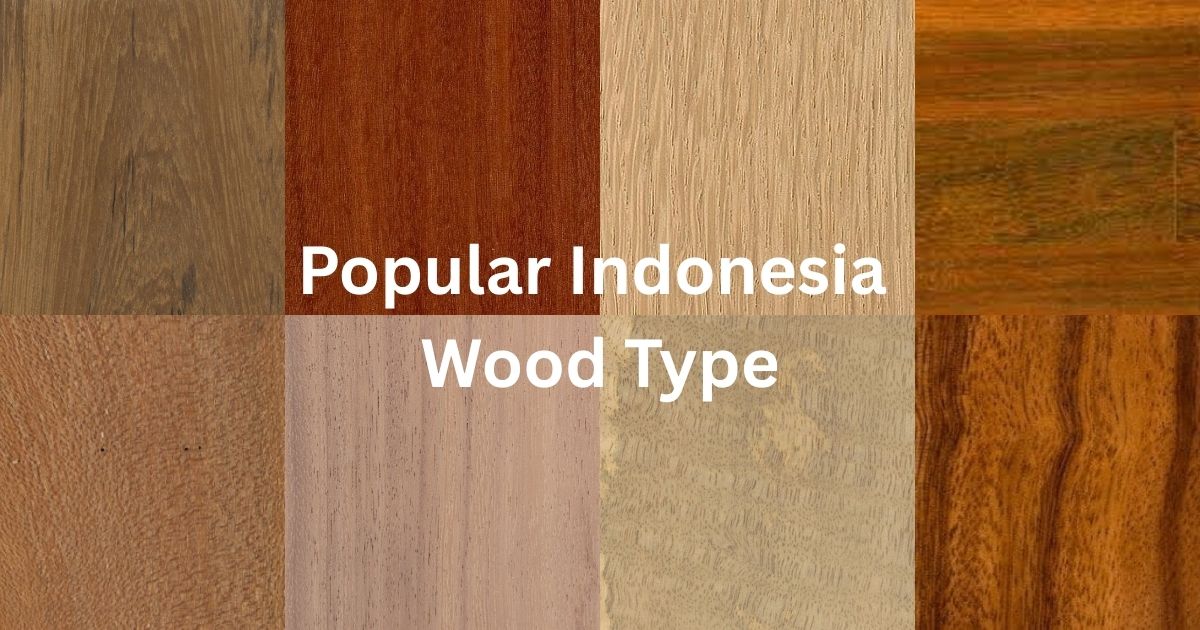
Indonesia is home to a rich variety of timber resources, making popular Indonesia wood highly sought after in both local and international markets. Known for its durability, unique grain patterns, and natural beauty, Indonesian wood type and varieties has long been used in furniture, construction, and decorative applications.
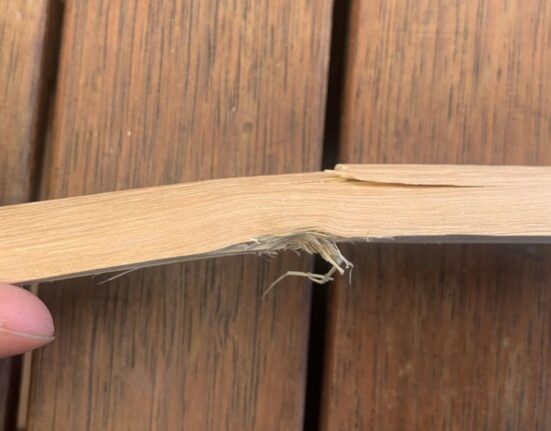
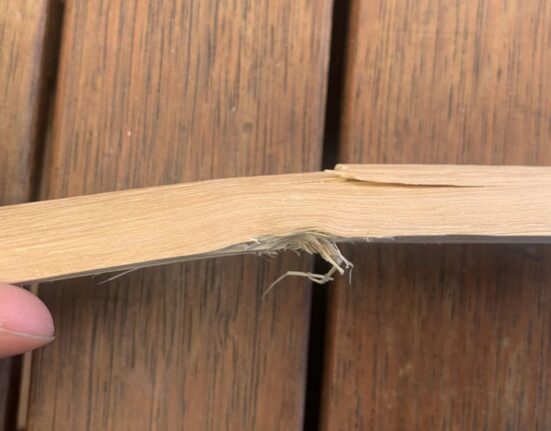
Almost all varieties of Indonesia wood types can be adapted for furniture making, provided they meet recommended hardness standards, making the Indonesia wood an essential consideration in achieving durability, aesthetic quality, and long-term value. This is because hard wood allows smoother cutting, carving, sanding, and other fabrication processes.
Understanding the characteristics of these wood types allows furniture manufacturer, designers, and craftsmen to create products that meet high functional standards while maintaining refined visual appeal and sustainable sourcing practices.
Then, what types of popular woods from Indonesia? Lets explore in this article!
Popular Wood in Indonesia
Below are some of the most popular Indonesia wood types, each with unique characteristics and applications:
1. Teak Wood – Tectona grandis (Most Popular)
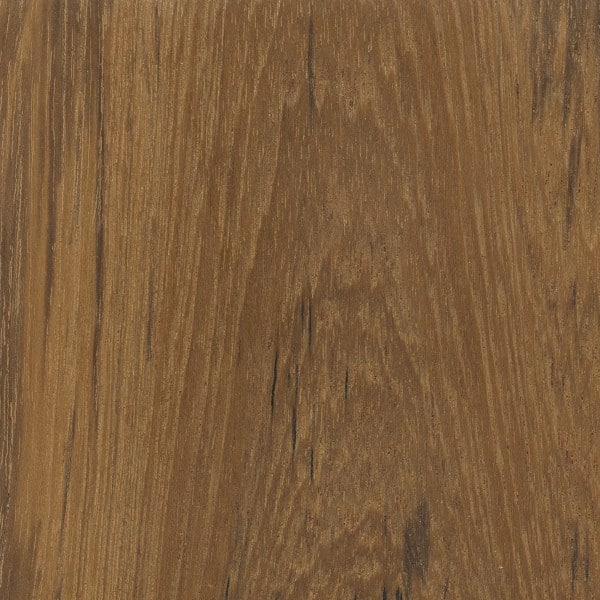
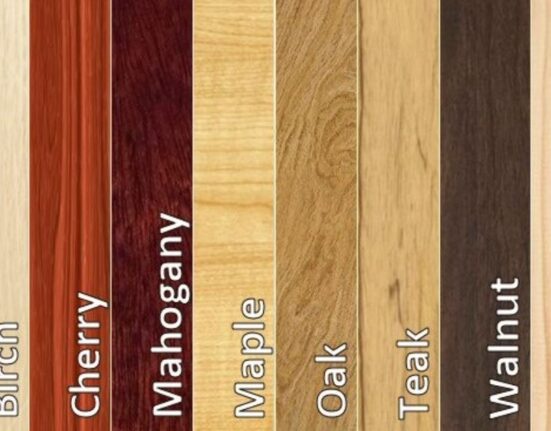
Teak wood is the most Indonesia popular and prestigious wood. It is a hardwood known for its golden-brown color, straight grain, and natural oil content, which makes it highly resistant to water, insects, and decay.
Indonesian teak (especially Jepara teak wood) is especially valued for its long lifespan and premium appearance, making it a top choice for high-end furniture and construction.
- Growing location: Jepara, Central Java, East Java, and other parts of Java and Sumatra
- Advantages: Extremely durable, weather-resistant, termite-resistant, long lifespan
- Disadvantages: High price, long growing period
- Best use: Outdoor furniture (highly recommended), indoor furniture, patio furniture, garden furniture, and luxury solid furniture due to its exceptional durability and weather resistance
2. Mahogany Wood – Swietenia spp (Second Most Popular)

Mahogany wood is widely used as an alternative to teak wood in Indonesia due to its attractive reddish-brown color and smooth texture. It is moderately hard, easy to work with, and has a fine, even grain.
Mahogany is popular for indoor furniture and decorative items because it offers elegance at a more affordable price than teak.
- Growing location: Java, Sumatra, Kalimantan, and Sulawesi
- Advantages: Attractive color, easy to shape, relatively affordable, stable
- Disadvantages: Less durable than teak, lower resistance to moisture and termites
- Best use: Indoor furniture, such as wardrobes, cabinets, dining sets, beds, and classic-style furniture with smooth finishes
Also Read: Comparing Teak Wood vs Mahogany, Which Is Better for Outdoor?3. Rosewood – Dalbergia spp
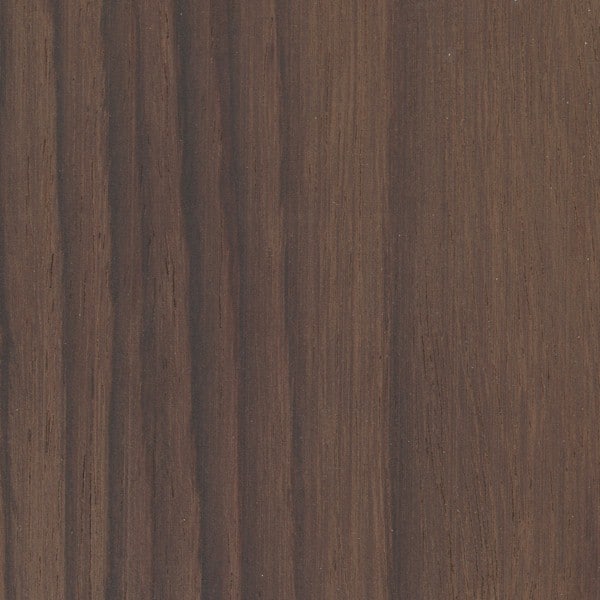
Rosewood is an Indonesia premium hardwood recognized for its dark color, rich patterns, and distinctive fragrance. It is dense, strong, and highly decorative, making it popular for luxury furniture and artistic craftsmanship.
Due to overharvesting, rosewood is now limited and regulated in many regions.
- Growing location: Java, Sumatra, and parts of eastern Indonesia
- Advantages: Beautiful grain, high strength, long-lasting, luxurious appearance
- Disadvantages: Very expensive, limited availability, protected species
- Best use: High-end furniture, accent furniture, luxury tables, chairs, and decorative furniture where aesthetics are the priority
4. Oak Wood – Genus Quercus
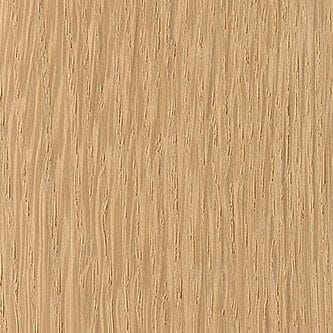
Oak wood is not native wood in Indonesia but is commonly imported and used in furniture manufacturing. It is known for its light to medium brown color, prominent grain, and strong structure.
Oak is valued for its classic appearance and durability, especially in modern and minimalist designs.
- Growing location: Mostly imported (Europe and North America)
- Advantages: Strong, durable, distinctive grain, good for finishing
- Disadvantages: Higher cost due to import, heavier weight
- Best use: Solid dining tables, chairs, cabinets, flooring-style furniture, and modern furniture with strong structure
5. Ebony Wood – Diospyros spp
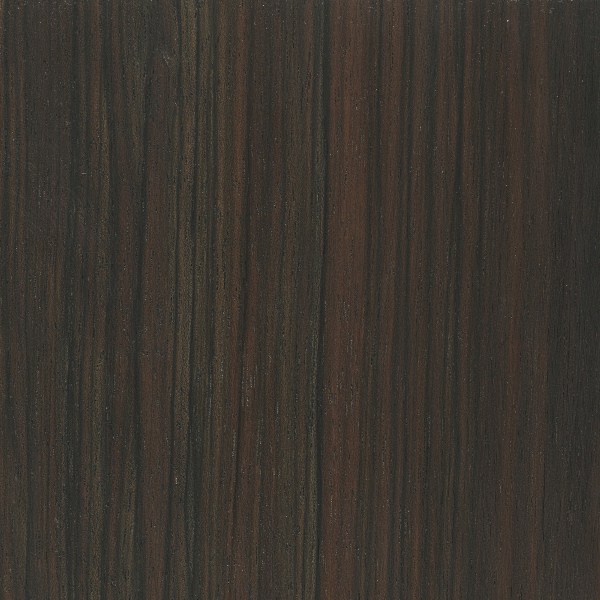
Ebony wood is one of the most Indonesia exclusive and rare woods. It is famous for its deep black color, fine texture, and extreme hardness. Ebony is difficult to work with but highly valued for its luxurious appearance and strength.
- Growing location: Sulawesi (especially Makassar), Maluku
- Advantages: Unique black color, very strong, high prestige value
- Disadvantages: Very rare, expensive, difficult to process
- Best use: Luxury accent furniture, inlays, decorative panels, and statement pieces rather than full furniture due to cost and rarity
Also Read: 10+ Guide to Choose Best Teak Wood for Furniture (Especially Outdoor)6. Pine Wood – Pinus spp
Pine wood is an Indonesia softwood type that is lightweight and easy to process. While not as durable as hardwoods, pine is popular for affordable furniture and construction needs.
Its light color and straight grain make it suitable for painted or minimalist designs.
- Growing location: Java and Sumatra (highland areas)
- Advantages: Affordable, lightweight, easy to work with, fast-growing
- Disadvantages: Low durability, prone to dents and insects without treatment
- Best use: Lightweight furniture, children’s furniture, shelves, beds, and painted furniture
7. Mango Wood – Mangifera indica
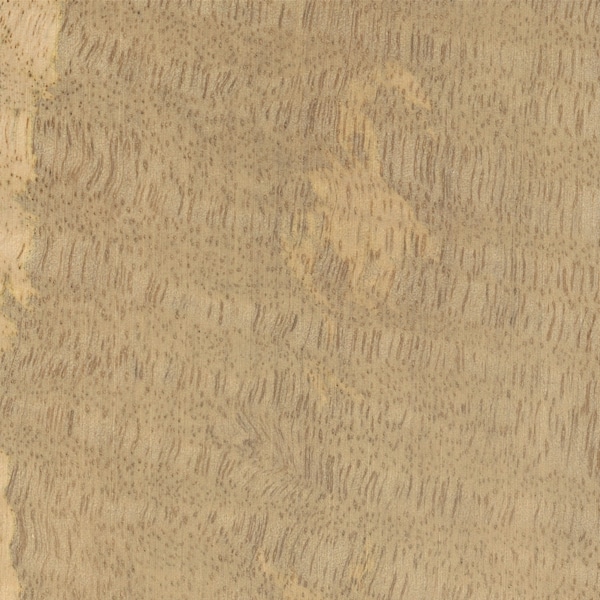
Mango wood is a sustainable Indonesia hardwood obtained from mango trees that no longer produce fruit. It has a light to medium brown color with unique grain patterns and occasional natural streaks.
While moderately strong, mango wood is appreciated for its eco-friendly value and decorative appearance rather than extreme durability.
- Growing location: Java, Sumatra, Bali
- Advantages: Eco-friendly, attractive grain, affordable, easy to work with
- Disadvantages: Moderate durability, susceptible to moisture and insects without treatment
- Best use: Decorative furniture, coffee tables, side tables, cabinets, and eco-friendly furniture designs
8. Acacia Wood – Acacia spp
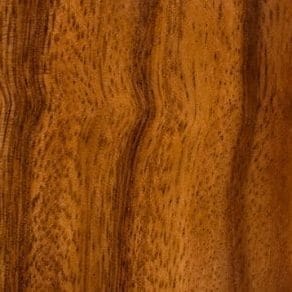
Acacia wood is a fast-growing Indonesia hardwood known for its strength and rich, warm tones. It has a smooth texture with natural grain variations and good resistance to wear.
Acacia is increasingly popular wood in Indonesia as a sustainable alternative to teak for making Indonesia furniture and flooring.
- Growing location: Java, Sumatra, Kalimantan
- Advantages: Strong, durable, fast-growing, more affordable than teak
- Disadvantages: Can warp if not properly dried, color variation may be inconsistent
- Best use: Solid wood furniture, dining tables, chairs, cabinets, and outdoor furniture as a teak alternative
9. Meranti Wood – Shorea spp
Meranti wood is one of the most widely used commercial timbers in Indonesia. It ranges in color from light pink to reddish-brown and has a straight to interlocked grain. Meranti is moderately durable and easy to process, making it suitable for mass production.
- Growing location: Kalimantan, Sumatra, Papua
- Advantages: Widely available, easy to process, cost-effective
- Disadvantages: Lower durability compared to teak, less resistant to moisture and insects
- Best use: Indoor furniture, door panels, cabinets, and furniture frames
10. Sandalwood – Santalum album
Sandalwood is an Indonesia rare and highly valued wood known for its distinctive fragrance. Unlike most woods, its value comes from its aromatic oil rather than structural strength.
Sandalwood has a fine texture and light color, and it is traditionally used in religious, cultural, and medicinal applications.
- Growing location: East Nusa Tenggara (NTT)
- Advantages: Unique fragrance, high economic value, cultural significance
- Disadvantages: Very rare, strictly regulated, not suitable for structural use
- Best use: Small decorative furniture, carved furniture, religious furniture, and luxury accent pieces
11. Durian Wood – Durio spp
Durian wood is a Indonesia lightweight hardwood commonly used for general construction and interior applications. It has a pale color and relatively soft texture, making it easy to cut and shape.
Although not highly durable, it is widely used due to its availability and low cost.
- Growing location: Sumatra, Kalimantan, Java
- Advantages: Affordable, lightweight, easy to work with
- Disadvantages: Low durability, not resistant to moisture or pests
- Best use: Basic indoor furniture, tables, cabinets, and plywood-based furniture
12. Ulin Wood – Eusideroxylon zwageri
Ulin wood, also known as ironwood or Bornean ironwood, is one of the hardest and most durable woods in Indonesia. It has a dark brown to blackish color and exceptional resistance to water, insects, and decay.
Ulin is famous for its ability to last for decades even in extreme outdoor conditions.
- Growing location: Kalimantan (Borneo)
- Advantages: Extremely durable, water-resistant, termite-resistant
- Disadvantages: Very heavy, difficult to process, limited availability, high cost
- Best use: Heavy-duty outdoor furniture, benches, garden furniture, and long-lasting solid furniture in extreme conditions
13. Camphor Wood – Cinnamomum camphora
Camphor wood is known for its distinctive natural aroma, which comes from camphor oil within the wood. It has a light yellowish to brown color with a fine, straight grain.
The scent acts as a natural insect repellent, making camphor wood especially useful for indoor applications.
- Growing location: Sumatra, Kalimantan
- Advantages: Natural insect resistance, pleasant aroma, stable texture
- Disadvantages: Moderate durability, scent may fade over time
- Best use: Wardrobes, cabinets, storage furniture, and interior furniture due to its natural insect-repelling aroma
14. Merbau – Intsia bijuga
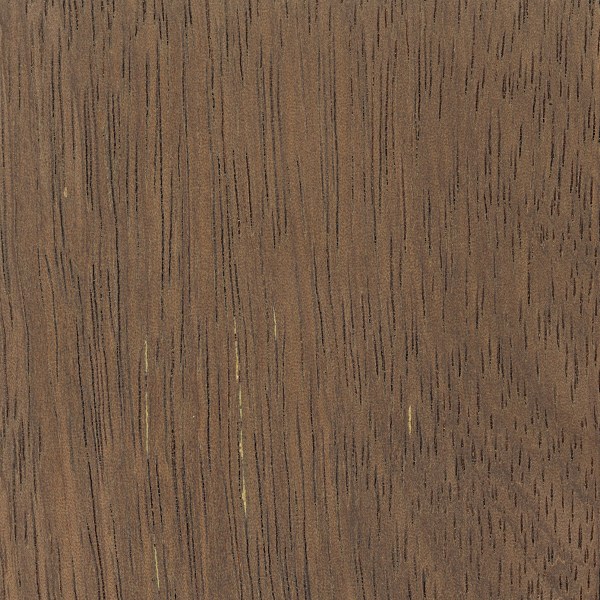
Merbau is a tropical hardwood valued for its strength, durability, and rich reddish-brown color. It contains natural oils that enhance resistance to termites and moisture.
Merbau is often used as a durable alternative to teak for heavy-duty applications.
- Growing location: Papua, Maluku, Sulawesi
- Advantages: Highly durable, termite-resistant, stable under heavy use
- Disadvantages: Heavy weight, relatively expensive, may bleed tannins
- Best use: Outdoor furniture, solid tables, benches, and furniture requiring high strength and termite resistance
15. Mindi Wood – Melia azedarach
Mindi wood is an Indonesia lightweight hardwood with a pale color and straight grain. It is easy to process and finish, making it popular for furniture manufacturing. Although not highly durable, mindi wood is favored for indoor applications due to its smooth texture.
- Growing location: Java, Sumatra
- Advantages: Lightweight, easy to work with, affordable
- Disadvantages: Low resistance to moisture and insects
- Best use: Indoor furniture, wardrobes, beds, cabinets, and minimalist furniture
16. Rubberwood – Hevea brasiliensis
Rubberwood is an Indonesia eco-friendly wood sourced from rubber trees after latex production ends. It has a light, uniform color and fine grain, making it suitable for modern furniture designs.
While not naturally durable, proper treatment significantly improves its performance.
- Growing location: Sumatra, Kalimantan, Java
- Advantages: Sustainable, affordable, consistent texture
- Disadvantages: Requires treatment against insects and moisture
- Best use: Ready-to-assemble furniture, dining sets, chairs, desks, and laminated furniture
17. Sengon – Albizia chinensis
Sengon wood is a fast-growing, lightweight wood widely used in Indonesia for mass production and construction. It has a pale color and soft texture, making it easy to cut and process.
Sengon is popular due to its low cost and sustainable plantation growth.
- Growing location: Java, Sumatra, Sulawesi
- Advantages: Fast-growing, inexpensive, easy to process
- Disadvantages: Low durability, easily damaged without treatment
- Best use: Furniture frames, lightweight furniture, plywood furniture, and budget furniture
18. Suar Wood – Albizia saman
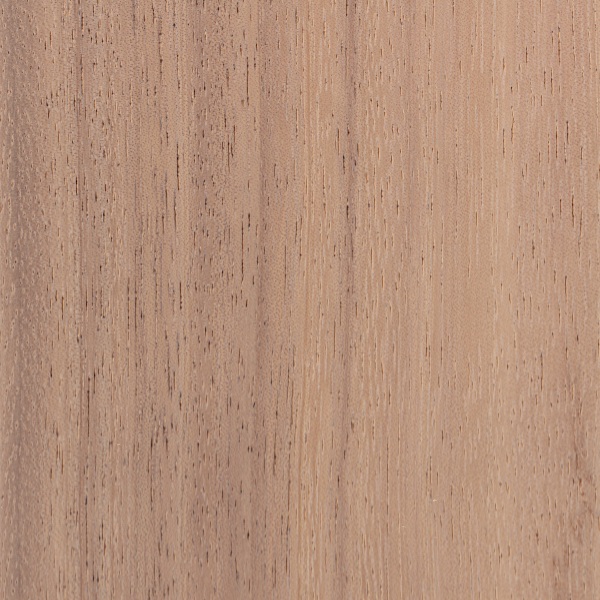
Suar wood, also known as rain tree wood, is widely recognized for its striking grain patterns and natural color contrast between light and dark tones. It is a moderately hard wood with a strong visual appeal, often used in large solid slabs.
Suar wood is popular in modern and rustic furniture designs due to its natural beauty.
- Growing location: Java, Bali, Sumatra
- Advantages: Unique grain patterns, strong aesthetic value, suitable for large slabs
- Disadvantages: Moderate durability, can crack if not properly dried
- Best use: Large slab furniture, dining tables, coffee tables, benches, and statement furniture
19. Albasia – Albizia falcataria
Albasia wood is an Indonesia fast-growing plantation wood commonly used for commercial and industrial purposes. It has a light color, straight grain, and low density, making it easy to process.
Due to its lightweight nature, albasia is often used where strength is not the primary requirement.
- Growing location: Java, Sumatra, Kalimantan
- Advantages: Fast-growing, affordable, easy to work with
- Disadvantages: Low strength, low durability, prone to pests
- Best use: Furniture cores, frames, drawer components, and engineered furniture
20. Jackfruit Wood – Artocarpus heterophyllus
Jackfruit wood is a traditional Indonesian wood valued for its warm yellow to golden-brown color that darkens with age. It has a fine, even grain and moderate strength.
Historically, jackfruit wood has been used in traditional houses and musical instruments due to its stability and pleasant appearance.
- Growing location: Java, Sumatra, Bali
- Advantages: Attractive color, stable, easy to carve
- Disadvantages: Moderate durability, limited availability
- Best use: Traditional furniture, carved furniture, cabinets, beds, and musical-instrument furniture
Popular wood in Indonesia offers a wide range of options, from premium hardwoods like teak, mahogany and ebony to affordable materials such as pine. Each Indonesia type of wood has its own strengths, limitations, and ideal applications.
By understanding their characteristics, advantages, and best uses, consumers and manufacturers can choose the most suitable Indonesian wood for quality, durability, and aesthetic value.
Discover the beauty and strength of popular Indonesia wood brought to life through expert craftsmanship. At Republic Furniture, we carefully select high-quality Indonesian wood such as Jepara teak wood to create furniture that combines durability, functionality, and timeless design.
If you are looking for a reliable Indonesia furniture manufacturer for residential, hospitality, or commercial projects, Republic Furniture is your ideal partner. Contact Republic Furniture today to discuss your furniture needs and experience expert craftsmanship for create Indonesia furniture.
Source:
- https://interiorsprojects.com/insights/top-15-most-popular-solid-woods-used-in-indonesia-for-furniture/
- https://www.posteakfurniture.com/blog/indonesian-wood-types/
- https://www.wood-database.com/
- https://hojaya.com/en/hojayapedia-en/types-of-indonesian-wood/
- https://kayuarte.com/5-types-of-the-most-popular-wood-in-indonesian-furniture/