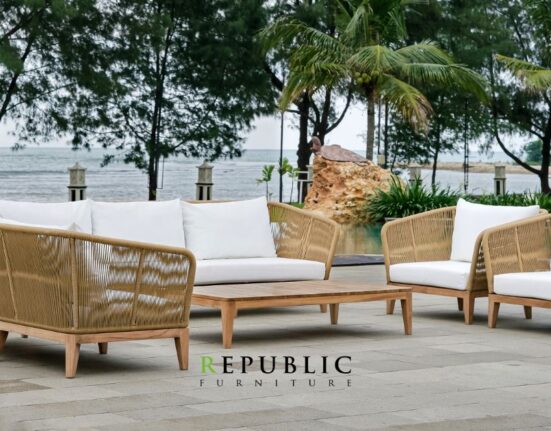

The traces of the Ottoman Dynasty’s glory are still clearly visible through the architecture of houses, mosques, and palaces that once shaped entire cities. Many of these historic Ottoman houses, now transformed into cafés, restaurants, accommodations, and shops, continue to preserve their original character while incorporating elements such as teak garden furniture to complement their outdoor and garden spaces.
Over time, Ottoman house designs have evolved to follow modern trends without losing their identity. Their functional layout, sturdy construction, high walls, and aesthetic balance have inspired contemporary residential architecture across Asia, Europe, and America.
The Unique Part of Ottoman House
Traditionally, the service areas of an Ottoman house are located on the ground floor, including barns, warehouses, and furnaces. The upper floor functions as the main living space, consisting of bedrooms, family rooms, and a living area connected by a cumba.
A cumba is a large bay window that projects outward toward the garden. From this space, residents could interact with neighbors, which is why wooden tables and chairs are often placed beneath the cumba to encourage social interaction.
Classic Ottoman houses combine wood and stone into a distinctive architectural form. This composition has inspired modern architects to reinterpret Ottoman designs into contemporary homes, while interior designers enhance these spaces using carefully selected teak wood furniture that respects the proportions and character of the original structure.
Large Ottoman residences, especially seaside houses like Yalı, typically require furniture that matches their generous scale. Lounge chairs, bookshelves, and benches made from teak wood help maintain balance between functionality and architectural elegance, both indoors and in surrounding garden areas.
Other Articles :
Does It Overlap if Wooden Floors Meet Classy Wooden Furniture in a Property?
Banquet Table Design
Ottoman houses often serve as gathering spaces for extended families or communities. When outdoor dining is not possible, the area near the cumba upstairs becomes an ideal dining room, featuring a long banquet table crafted from solid teak wood.
This banquet table design emphasizes raw, natural aesthetics, with wide wooden surfaces resembling untreated timber and thick legs inspired by freshly cut logs. The finishing typically highlights natural tones such as dark brown or honey brown to preserve the organic character of the wood.
To complement the table, custom Lawson armchairs can be created with armrests positioned slightly lower than the backrest. Made entirely from teak wood without upholstery, these chairs reinforce the authentic and grounded atmosphere of an Ottoman dining space.
If you would like to explore custom wooden furniture designs inspired by Ottoman architecture, feel free to contact us. Our professional craftsmen are ready to bring your ideas to life with precision and respect for timeless design.