

When comparing Jepara furniture vs other regions, one name consistently stands out in the global furniture industry is Jepara. Located in Central Java, Indonesia, Jepara has been known for centuries as a center of exceptional woodworking and furniture craftsmanship.
While many regions around the world produce furniture at scale, Jepara distinguishes itself through a unique combination of skilled artisans, premium natural materials such as teak wood, and a deep cultural heritage of hand-carved craftsmanship.
This long-standing tradition allows Jepara furniture manufacturers to create furniture that blends durability, artistry, and timeless design, qualities that continue to attract global buyers, designers, and furniture brands seeking authentic, high-quality pieces.
Differences Between Jepara Furniture and Other Regions
Here are the key differences between Jepara furniture and furniture from other regions:
1. In Terms of Intricate Craftsmanship & Carving
Jepara is widely known for its ukiran, or intricate hand-carved motifs created by skilled artisans. These carvings often combine traditional Javanese patterns with influences from Baroque and Rococo styles, producing highly detailed and artistic furniture.
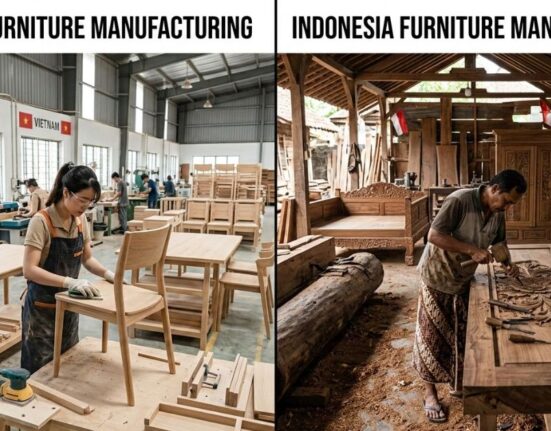
This level of Jepara craftsmanship is a distinctive signature of Jepara, while many other regions tend to focus more on minimalist or machine-produced designs with less emphasis on complex carving.
Also Read: How to Buy Furniture from Indonesia: Where to Buy & Complete Guide2. In Terms of Raw Material Quality
Jepara furniture is typically made from high-quality teak and mahogany, commonly sourced from Central Java. Teak wood in particular has a high natural oil content, making it naturally resistant to moisture, termites, and weather exposure.
Because of this, furniture from Jepara is often more durable compared to products made with lower-grade wood or engineered materials in other regions.
3. In Terms of Durability and Longevity
The durability of Jepara furniture is strongly influenced by both the quality of the wood and traditional construction techniques. Artisans frequently use manual joinery methods such as mortise and tenon joints, which provide stronger structural integrity.
As a result, many Jepara furniture pieces are known to last for decades.
4. In Terms of Versatility in Design
Although Jepara is famous for traditional carved furniture, manufacturers in the region are highly adaptable. They are capable of producing a wide range of styles, from classic carved designs to modern, minimalist, Scandinavian, and European-inspired furniture, making them suitable for various international markets.
5. In Terms of Production System
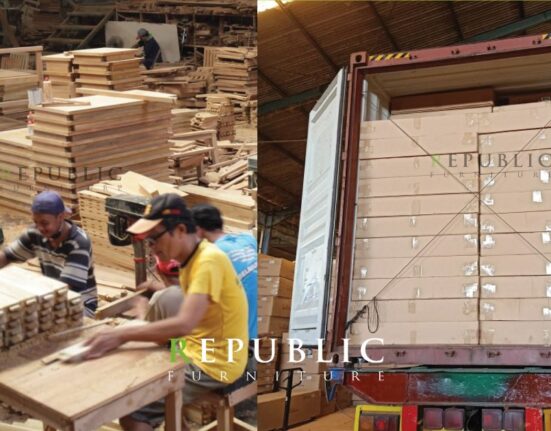
Jepara operates as a specialized furniture manufacturing cluster, with thousands of workshops ranging from small artisan studios to large-scale factories. This ecosystem allows for strong specialization, flexible customization, and reliable production capacity compared to regions where furniture production is less concentrated.
Overall, the comparison of Jepara furniture vs other regions highlights Jepara’s strengths in craftsmanship, material quality, durability, design versatility, and a well-established production network that supports global furniture demand.
Also Read: Complete Guide on How to Import Furniture from IndonesiaJepara Furniture While Compare with Other Region
Below are some key comparisons that highlight how Jepara differs from other furniture centers in Indonesia:
1. Jepara vs Bali Furniture
Bali furniture typically emphasizes artistic expression, with bohemian, tropical, or creative styles that are popular in hospitality and interior décor markets. In contrast, Jepara furniture is widely recognized for its more structured construction, classic forms, and intricate hand-carved details.
Many Jepara pieces feature traditional carvings influenced by Javanese, Baroque, or Rococo aesthetics, giving them a more formal and timeless appearance.
2. Jepara vs Solo (Surakarta) Furniture
Solo, also known as Surakarta, is another region with a long tradition of craftsmanship. While the area produces high-quality furniture, it is particularly known for wicker, rattan, and certain types of wooden furniture, often influenced by traditional Javanese and Yogyakarta styles.
Jepara, on the other hand, has developed a stronger global reputation for solid wood furniture, especially teak, with a specialization in detailed carving and more diverse export-oriented product lines.
3. Jepara vs Other Region Furniture
Furniture produced in other regions of Indonesia can vary widely in quality and specialization. In many cases, these regions may focus on simpler designs or use lighter and lower-grade wood materials.
Compared to these areas, Jepara furniture is often considered more durable and refined, thanks to the use of higher-quality hardwood and the presence of skilled artisans who specialize in detailed hand-carving techniques.
In summary, Jepara furniture stands out for its high-density teak wood, expert-level hand carving, and strong durability. Combined with centuries of woodworking heritage and a well-developed production ecosystem.
Jepara continues to serve both traditional furniture markets and increasingly modern design trends, making it one of the most respected furniture manufacturing centers in Indonesia.
Discover Authentic Jepara Craftsmanship with Republic Furniture
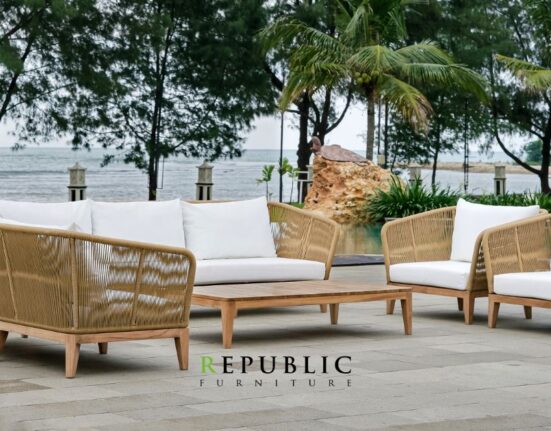
If you are looking for furniture that reflects the true quality and heritage of Jepara craftsmanship, Republic Furniture is ready to be your trusted partner. As a dedicated manufacturer specializing in high-quality teak outdoor furniture, Republic Furniture combines traditional hand-carving expertise with modern production standards to serve global markets.
From classic carved collections to contemporary designs, every piece is crafted with durability, precision, and attention to detail. Contact us today to explore our collections and discover how authentic Jepara furniture can elevate your furniture brand or project.