
Using wooden furniture for both indoor and outdoor spaces adds warmth and character to a home, but long-term durability often becomes a concern when moisture and humidity are involved.
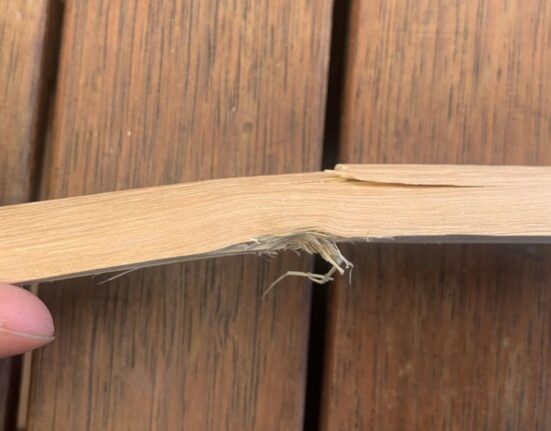
Rotting is one of the most common issues found in wood-based furniture. Over time, wood can lose its structural integrity if environmental conditions are not controlled properly. Understanding how wooden furniture at home does not rot is essential, especially for pieces exposed to changing weather or placed in semi-open areas.
Furniture designed for exterior use, such as
teak outdoor furniture,
relies heavily on proper placement, airflow, and routine care. Even the strongest materials benefit from preventive steps to slow down natural degradation.
Top Solutions on How Wooden Furniture at Home Does Not Rot
Maintain a Clean and Dry Environment
A clean environment significantly reduces the risk of moisture buildup. Dust, debris, and stagnant air often trap humidity, which gradually penetrates wood fibers and accelerates decay.
Regularly cleaning surrounding areas—such as floors, corners, and drainage systems—helps prevent excess moisture from lingering near furniture. This is particularly important during rainy seasons or in tropical climates.
Ensure Proper Ventilation
Good airflow plays a critical role in protecting wooden furniture. Proper ventilation keeps humidity levels balanced and prevents damp conditions that encourage mold and rot.
Avoid placing wooden furniture in closed, poorly ventilated rooms. If furniture must be placed indoors, make sure air circulation is consistent, especially in areas prone to humidity.
Apply Decay-Resistant Treatments
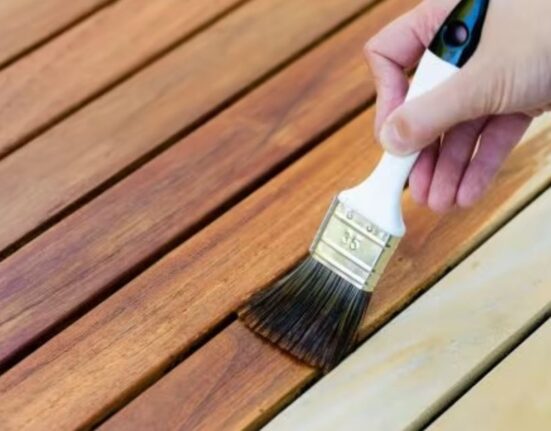
Protective coatings and decay-resistant treatments create a barrier that shields wood from moisture, fungi, and insects. These treatments are especially useful for furniture exposed to fluctuating temperatures.
Choosing the right treatment based on placement—indoor or outdoor—will significantly extend the furniture’s lifespan without altering its natural appearance.
Avoid Direct Contact with High-Moisture Objects
Wet fabrics, plant pots without trays, or humid objects placed directly on wood surfaces can leave moisture stains that seep into the material.
Using coasters, mats, or protective layers helps prevent direct moisture transfer and reduces the risk of long-term damage.
Inspect Furniture Regularly
Early signs of rot include discoloration, soft textures, or unusual odors. Regular inspections allow issues to be addressed before they spread.
If similar signs appear on doors or window frames, it may indicate high indoor humidity. Solving the root cause will protect both furniture and the surrounding structure.
Preventing rot is far easier than repairing damage. With consistent care and the right environmental control, wooden furniture can last for decades. If you need guidance tailored to your furniture placement or material choice, feel free to
contact us
for professional consultation.