
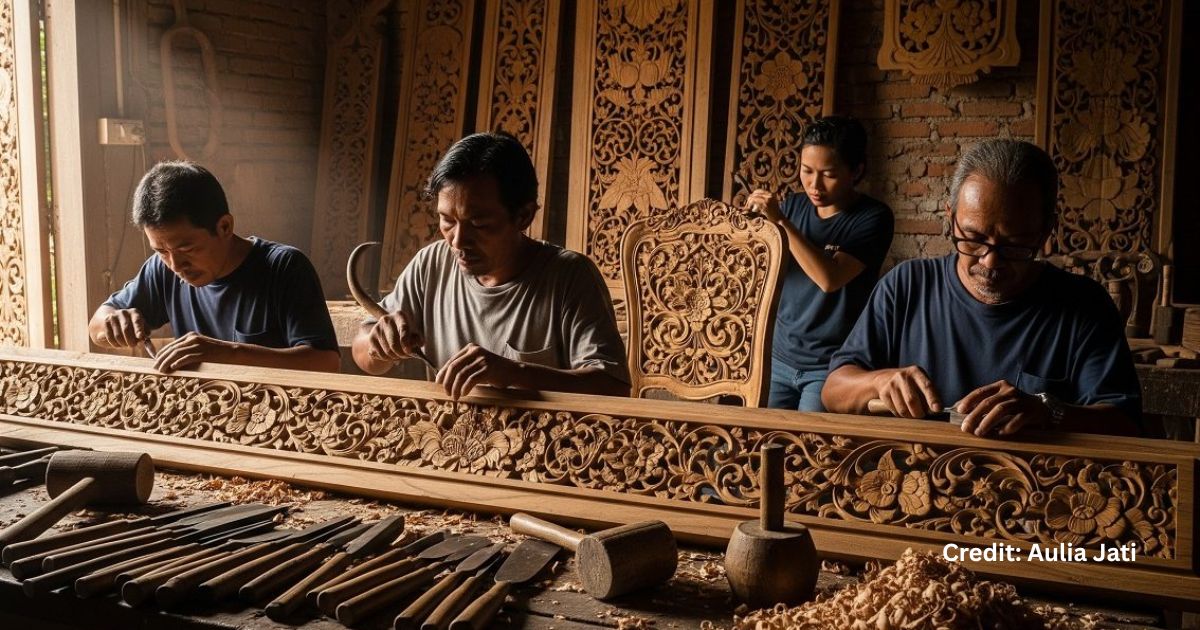
History of teak furniture carries a long and distinguished heritage shaped by royal customs and skilled craftsmanship originating in Southeast Asia. This compelling history shows how teak wood transitioned from its early use in palaces and temples to becoming a favored material for contemporary luxury outdoor furniture.
Renowned for its exceptional strength and signature golden tones, teak remains a lasting symbol of sophistication and durability.
The History of Teak Furniture
How did teak furniture history from ancient Southeast Asian civilizations to become a staple in modern living spaces, and why does it continue to be regarded as a timeless and highly sought-after material?
Explore the remarkable journey of teak furniture from ancient Southeast Asian civilizations to today’s modern living spaces, and understand why it continues to be a timeless and sought-after choice.
1. The Origins of Teak Furniture in Ancient Southeast Asia (Especially Indonesia, Jepara)
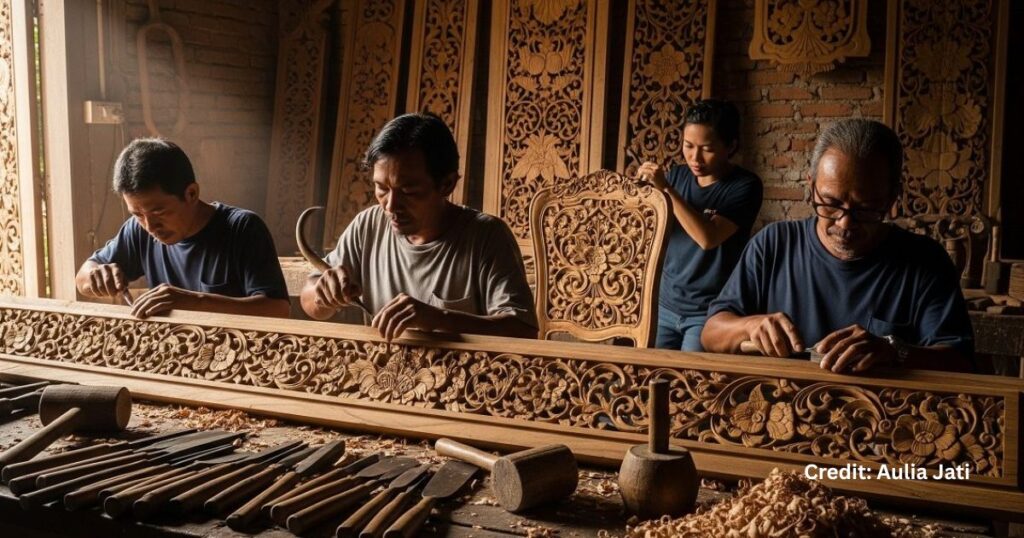
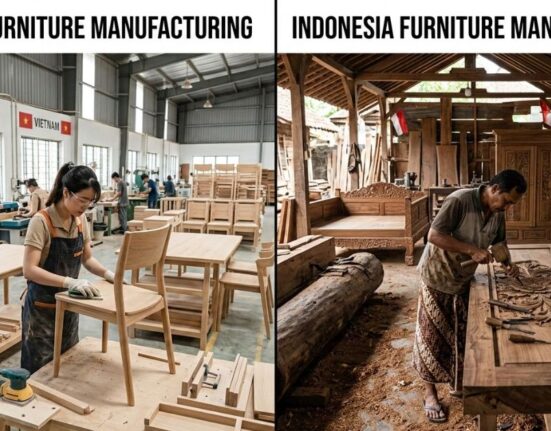
The origins of teak furniture history in ancient Southeast Asia can be traced to regions where teak trees naturally thrived, including Thailand, Myanmar, and especially Indonesia. In Indonesia, Central Java, most notably Jepara, emerged as a vital center of teak craftsmanship due to its abundant teak forests and long-standing woodworking traditions.
Jepara artisans developed intricate carving techniques and refined construction methods that were passed down through generations, establishing the region as a symbol of quality and artistic excellence. This deep historical foundation positioned Jepara not only as a local hub but also as a key contributor to the global reputation of teak furniture that endures to this day.
Key uses of teak furniture in Ancient Southeast Asia:
- Building Structures: Teak furniture was used for houses, palaces, temples, and everyday furnishings.
- Symbol of Status: Teak furniture was a mark of wealth and power, reserved for the elite and royalty.
Also Read: Why Teak Wood Is Popular Worldwide for Furniture?2. Teak Furniture as a Symbol of Status, Royal Prestige, and Authority
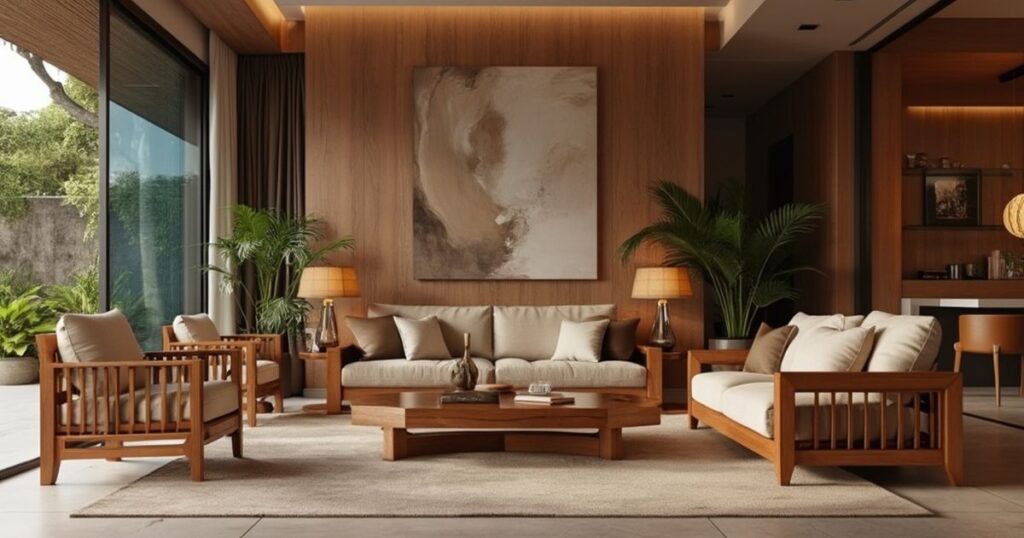
Teak furniture has long been regarded as a powerful symbol of status, royal prestige, and authority, particularly within the historical context of Southeast Asia. Due to its exceptional durability, resistance to decay, and refined natural appearance, teak wood was considered a rare and valuable resource that was often regulated by royal courts or governing authorities.
As a result, the use of teak furniture was traditionally reserved for kings and high-ranking officials, serving as a clear marker of social hierarchy and power. In palaces, temples, and official residences, teak furniture conveyed permanence, stability, and dominance.
The presence of finely crafted teak furnishings not only reflected wealth and influence but also reinforced authority, making teak an enduring emblem of prestige and royal distinction throughout history.
3. Teak Furniture as a Luxury Material in Colonial-Era Europe
During the colonial era, history of teak furniture was regarded as a luxury material in Europe, valued for its durability, exotic origin, and elegant appearance. Imported from Southeast Asia through expanding trade networks, teak furniture was used for high-end furniture in aristocratic homes and official buildings.
Its strength, resistance to moisture, and rich natural color made it a symbol of wealth, refinement, and global influence, cementing teak’s status as a prestigious hardwood in European society.
Teak furniture’s Journey to Europe:
- Status Symbol: Teak furniture became a symbol of wealth and prestige among the European elite.
- Global Trade Expansion: Teak’s popularity spurred the development of global trade routes and plantations in Southeast Asia, cementing teak’s role as a premium furniture material worldwide.
4. The Evolution of Teak Furniture from Traditional Craft to Modern Design
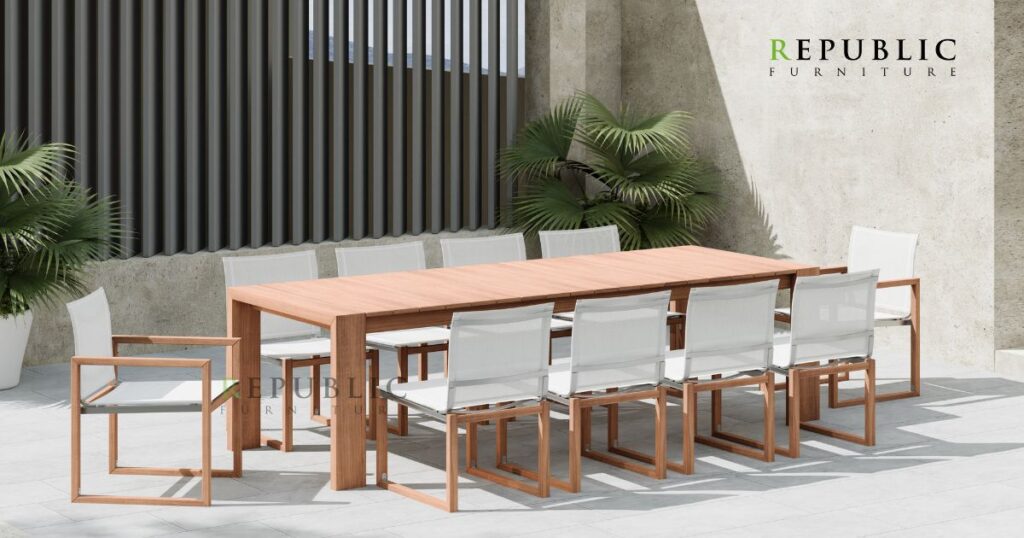
The evolution of teak furniture reflects a seamless transition from traditional craftsmanship rooted in cultural heritage to refined modern design shaped by innovation and global influence.
Modern Teak Furniture Characteristics:
- Minimalist Style: Clean lines, smooth finishes, and an emphasis on teak’s organic aesthetics.
- Sustainability: Brands like Otazen combine traditional craftsmanship with sustainable methods to create modern outdoor furniture that respects teak’s legacy.
5. A Modern Approach to Outdoor Teak Furniture from Indonesia
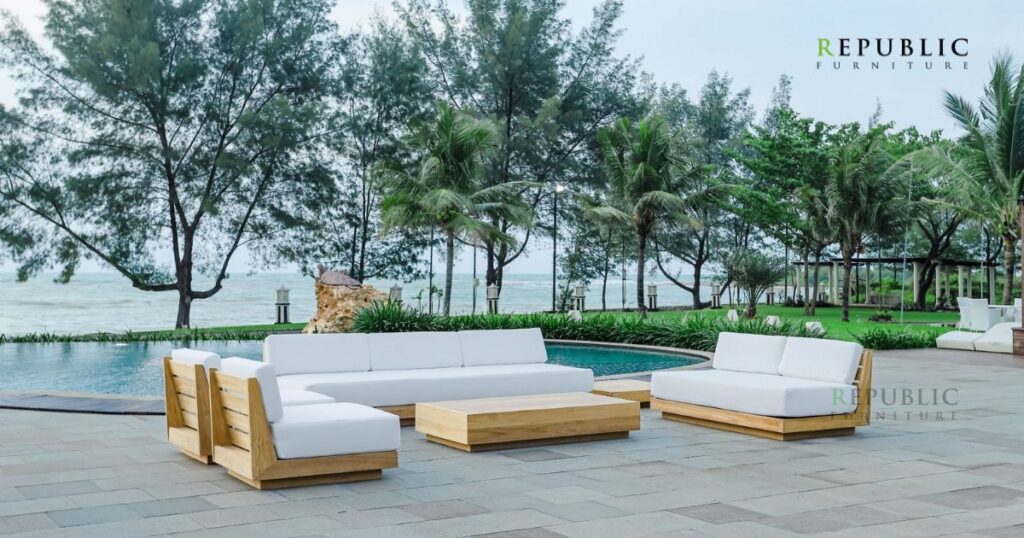
A modern approach to outdoor teak furniture from Indonesia combines centuries-old craftsmanship with contemporary design principles and advanced production techniques.
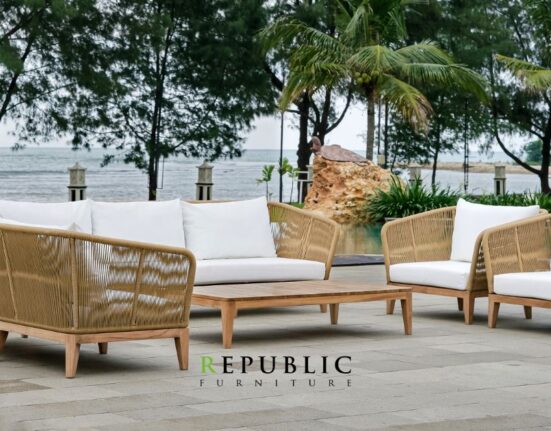
Indonesian teak furniture manufacturers like Republic Furniture, particularly those rooted in traditional woodworking regions, now emphasize clean lines, functional forms, and ergonomic comfort while preserving the natural beauty and durability of high-quality teak wood.
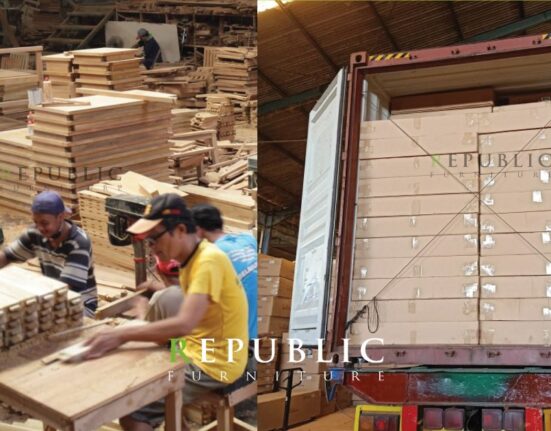
Sustainable sourcing, precision machining, and weather-resistant finishing systems further enhance performance for outdoor use, meeting international standards and global market expectations.
This balanced integration of heritage, innovation, and sustainability positions Indonesian outdoor teak furniture as a premium choice for modern residential and commercial spaces worldwide.
Also Read: 10+ Reasons Why You Choose Indonesian Teak Wood for Furniture6. The Enduring Legacy of Teak Furniture in the Global Luxury Market
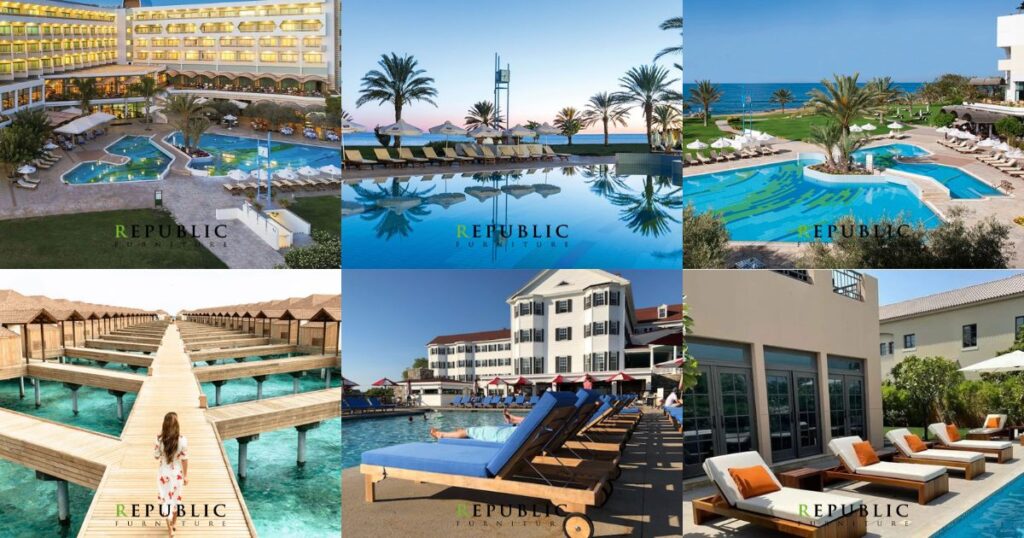
The enduring legacy of teak furniture in the global luxury market is defined by its exceptional durability, timeless aesthetic, and deep cultural heritage. Valued for its natural resistance to weather, pests, and decay, teak has remained a preferred material for high-end furniture across generations and continents.
Luxury designers and discerning consumers continue to favor teak for its refined grain, warm tones, and ability to age gracefully while maintaining structural integrity.
Supported by sustainable forestry practices and master craftsmanship, teak furniture represents a harmonious blend of tradition and modern elegance, securing its lasting position as a symbol of quality, prestige, and long-term investment in the international luxury furniture market.