
In today’s global timber and furniture industry, sustainability is no longer optional, it is a requirement. Many buyers and importers now ask, what is FSC certification and why does it matter? To understand its importance, we must first explore what is FSC and the role of the Forest Stewardship Council standards.
Simply put, the Forest Stewardship Council meaning refers to an international organization that promotes responsible forest management worldwide. The FSC certification definition goes beyond a label, it represents environmental responsibility, social accountability, and economic viability.
Understanding the true FSC certification meaning helps businesses strengthen credibility, access global markets, and meet growing sustainability demands.
What is FSC (Forest Stewardship Council)?
What does FSC certified mean? FSC (Forest Stewardship Council) meaning is an independent, non-governmental, non-profit international organization that promotes responsible forest management worldwide. Established in 1993, the organization was created to address global concerns about deforestation, illegal logging, and unsustainable forestry practices.
When people ask what is FSC mean, they are referring to the global certification system developed by the Forest Stewardship Council to ensure that wood, paper, and other forest-based products come from responsibly managed forests. FSC certified wood meaning goes beyond simply protecting trees.
It represents a balanced approach that considers three key pillars:
- Environmental responsibility: Protecting biodiversity, wildlife habitats, water resources, and preventing deforestation.
- Social responsibility: Respecting the rights of indigenous communities and forest workers.
- Economic sustainability: Ensuring forestry operations remain viable without harming future generations.
The FSC certification definition refers to a formal verification process that evaluates forest management and supply chains against strict global standards. Furniture company that comply with these standards can use the FSC label on their products, signaling credibility and sustainability to buyers.
Understanding the FSC certification meaning is especially important in the global timber and furniture trade. Many international importers, retailers, and construction companies require FSC-certified materials as part of their sustainability commitments.
As a result, FSC certificate has become one of the most recognized and trusted forest certification systems in the world.
Logo Characteristics of FSC
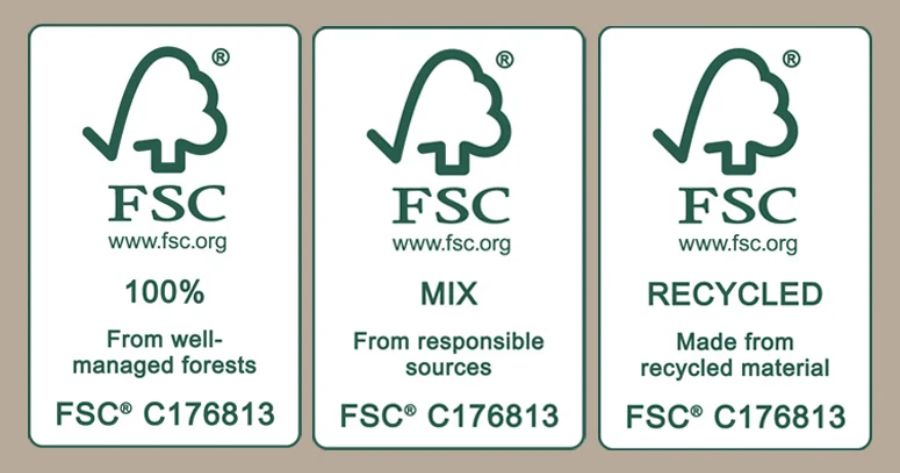
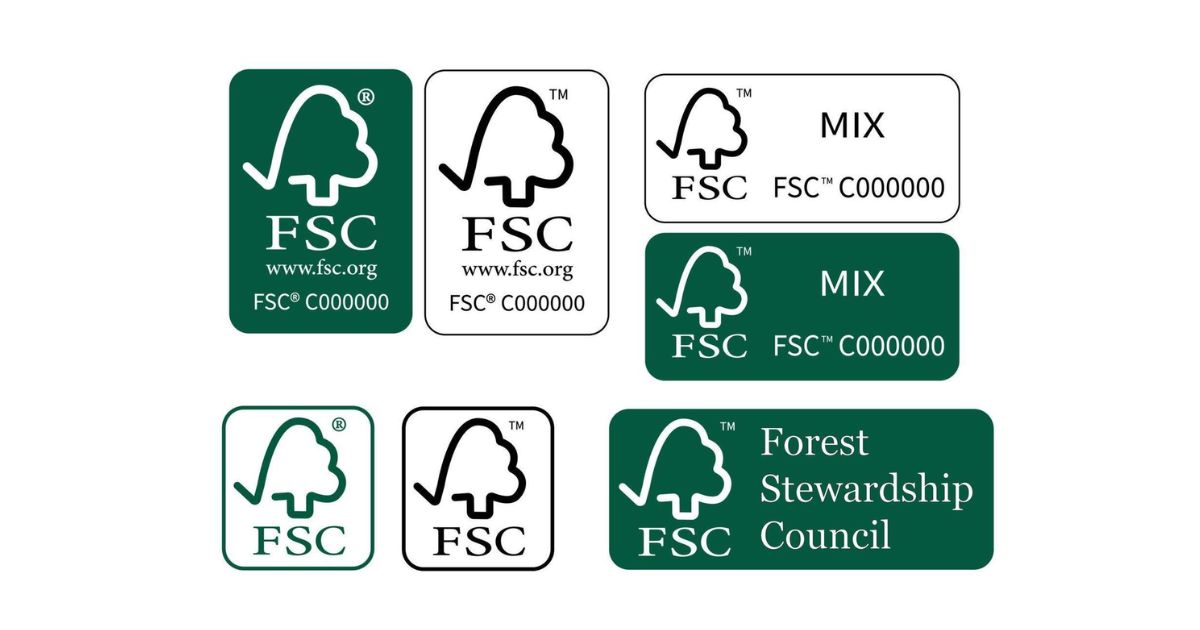
The FSC logo represents products certified under responsible forest management standards. Below are the key logo characteristics of FSC:
- Checkmark-Tree Symbol: A stylized checkmark forming a tree, symbolizing verified sustainability.
- “FSC” Initials: Displayed below the symbol with a ™ or ® trademark mark.
- Official Colors: Primarily green (Pantone 626C), also allowed in black or white.
- Label Variations: Includes FSC 100%, FSC Mix, or FSC Recycled claims.
- License Code: Unique certification code (e.g., FSC® CXXXXXX) identifying the certified company.
- Strict Usage Rules: No distortion, color changes, or modification without approval.
Proper use of the FSC logo ensures compliance and builds trust with global buyers.
Also Read: FSC vs SVLK Certification: What is the Difference?What Does The FSC Do?
What does the Forest Stewardship Council do? Here is the FSC do:
1. Forest Management Certification
FSC evaluates and certifies forests that meet strict environmental and social standards. This ensures biodiversity protection, responsible harvesting, and respect for indigenous and workers’ rights.
2. Chain of Custody Certification
FSC tracks certified materials from the forest to the final product. This process guarantees that wood, paper, or furniture sold as FSC-certified truly comes from responsible sources.
3. Setting Global Standards
FSC develops internationally recognized principles and criteria for sustainable forest management. These standards are applied consistently across different countries and markets.
4. Combatting Illegal Logging
By requiring verified sourcing and transparent documentation, FSC helps prevent illegal logging and reduces the risk of unsustainable forest exploitation.
5. Market Recognition
FSC certification provides global credibility. Many retailers, importers, and construction companies require FSC-certified products as part of their sustainability commitments.
In short, FSC ensures that forests are protected while allowing businesses to operate responsibly and access environmentally conscious markets worldwide.
Why FSC Important in Sustainability?
Why is FSC important? FSC certificate plays a crucial role in ensuring that environmental protection, ethical sourcing, and long-term business growth go hand in hand. Here is benefit of FSC:
- Credibility and Reputation (for Furniture Manufacturer): FSC certification strengthens brand credibility by proving commitment to responsible sourcing and sustainable production practices for furniture manufacturer.
- Trusted Furniture Manufacturer: Certified furniture manufacturer are viewed as reliable partners by international buyers who prioritize transparency and verified supply chains.
- Environmental Protection: FSC ensures responsible forest management, biodiversity conservation, and reduced deforestation risks.
- Social Responsibility: The certification protects workers’ rights and respects indigenous communities living in and around forest areas.
- Economic Viability & Trust: FSC supports long-term forest productivity, ensuring businesses can operate sustainably without harming future resources.
- Supply Chain Integrity: Through Chain of Custody certification, FSC maintains traceability from forest to finished product, preventing illegal or mixed sourcing.
- Access to Global Markets: Is FSC certification globally recognized? Yes, FSC certification is globally recognized and often required by retailers, importers, and construction companies in Europe, the US, and other developed markets.
- Compliance with Laws and Regulations: FSC helps companies align with international timber regulations and anti-illegal logging laws.
- Involvement of Local Communities: FSC promotes fair wages, safe working conditions, and community engagement in forest-based industries.
- Indonesia as a Major Furniture Manufacturing & Export Hub: As one of the world’s leading furniture exporters, Indonesia benefits from FSC certification to strengthen its position in the global sustainable furniture market.
In conclusion, FSC is not just a certification, it is a strategic investment in sustainability, market trust, and long-term competitiveness in the global furniture industry.
Also Read: SVLK Timber Legality Verification System in IndonesiaWhat FSC Stand for?
FSC stands for Forest Stewardship Council. It is an international non-profit organization that promotes responsible forest management. FSC ensures that wood and forest-based products come from sustainable, ethical, and well-managed sources worldwide.
In education, however, FSC can have a different meaning depending on the country. In some academic contexts, FSC may stand for terms such as Faculty Student Council or other institution-specific abbreviations. Therefore, the meaning of FSC in education depends on the organization or school using the term.
Type of FSC Certification
FSC certification is divided into several types to ensure responsible forest management and transparent supply chains. Each certification serves a different purpose depending on the role of the company within the forestry and manufacturing industry.
What are the different types of FSC certificates? Here is the type of FSC Certification:
1. Forest Management (FM) Certification
Forest Management Certification is issued to forest owners or managers. It verifies that forests are managed according to FSC’s environmental, social, and economic standards, including biodiversity protection and respect for local communities.
2. Chain of Custody (CoC) Certification
Chain of Custody Certification applies to manufacturers, processors, traders, and exporters. It ensures that FSC-certified materials are properly identified and tracked throughout the supply chain from forest to final product.
3. Controlled Wood (CW) Certification
Controlled Wood certification allows companies to mix FSC-certified material with non-certified wood that has been risk-assessed and verified as low risk. It helps prevent illegal logging and unacceptable forestry practices.
4. Smallholder / Community Based / SLIM
This category is designed for small-scale forest owners or community-based forestry groups. SLIM (Small and Low Intensity Managed Forests) simplifies certification requirements while maintaining FSC standards.
Also Read: Sustainable Furniture Manufacturing in Indonesia5. FSC Recycled
FSC Recycled certification applies to products made entirely from recycled materials. It promotes circular economy practices and reduces the demand for virgin forest resources.
In conclusion, each type of FSC certification plays a specific role in supporting sustainable forestry, supply chain integrity, and global market trust.
Benefit of FSC Certification
FSC certification provides comprehensive advantages across environmental, economic, social, and supply chain aspects. It strengthens sustainability commitments while enhancing global market trust.
What are the benefits of FSC certification? Below is a brief explanation of benefit of FSC Certification:
1. Environmental Benefits
FSC certification plays a critical role in protecting forests and natural ecosystems by ensuring responsible and sustainable forest management practices.
- Biodiversity Conservation: Protects wildlife habitats, endangered species, and natural ecosystems.
- Sustainable Management: Ensures forests are harvested responsibly without compromising future generations.
- Environmental Protection: Reduces deforestation, prevents illegal logging, and safeguards water and soil quality.
2. Economic and Market Benefits
Beyond sustainability, FSC certification provides strong commercial advantages and supports long-term business competitiveness.
- Market Access & Credibility: Increases acceptance in international markets where FSC certification is often required.
- Risk Management: Minimizes legal, environmental, and reputational risks linked to unsustainable sourcing.
- Increased Competitive Advantage: Differentiates certified companies from competitors in the global timber and furniture industry.
- Allow to Promotion and Commercial: What is the purpose of the FSC certificate? It enables furniture manufacturer or company to use the FSC label for marketing and commercial promotion, demonstrating verified sustainability commitments.
3. Social Benefits
FSC also ensures that forest operations respect human rights and contribute positively to surrounding communities.
- Labor Rights: Ensures fair wages, safe working conditions, and protection of workers’ rights.
- Community Engagement: Supports local and indigenous communities through fair consultation and benefit sharing.
4. Supply Chain Integrity
Transparency and traceability are essential in sustainable trade, and FSC certification strengthens both.
- Chain of Custody (CoC): Guarantees traceability from forest to final product, ensuring certified materials remain separated and verified throughout the supply chain.
In conclusion, FSC certification is more than an environmental label, it is a strategic tool that enhances sustainability, strengthens brand reputation, and supports long-term business growth in global markets.
Also Read: Jepara Furniture Manufacturer & Supplier – Custom & Export ReadyWhy Choose Furniture Manufacturer that Have FSC?
Choosing a furniture manufacturer with FSC certification is a strategic decision for businesses and buyers who prioritize sustainability, compliance, and long-term value.
Here is the reason:
- Environmental Protection: Ensures raw materials come from responsibly managed forests that protect biodiversity and prevent deforestation.
- Ethical and Social Responsibility: Supports fair labor practices, safe working conditions, and respect for local and indigenous communities.
- High Quality and Durability: FSC-certified manufacturers typically maintain strict quality control and sustainable sourcing standards, resulting in durable and reliable products.
- Legal Compliance: Helps ensure wood materials comply with international timber regulations and anti-illegal logging laws, reducing legal risks.
- Consumer Confidence and Marketability: FSC labeling increases buyer trust and enhances brand reputation, especially in global markets where sustainability is a key purchasing factor.
- Long-Term Resource Security: Promotes sustainable forest management, ensuring continuous raw material availability for future production.
In conclusion, choosing an FSC-certified furniture manufacturer is not only an environmental commitment but also a smart business move that strengthens credibility, market access, and long-term sustainability.
Partner with a Trusted Wood Certified Furniture Manufacturer
Looking for a reliable partner that combines sustainability, craftsmanship, and global export experience? Republic Furniture is committed to responsible sourcing and high-quality production standards aligned with FSC principles.
As an Indonesia furniture manufacturer and exporter, we understand the importance of environmental protection, ethical practices, and international compliance. By working with Republic Furniture, you gain access to durable, export-ready furniture made from responsibly sourced materials, designed to meet global market demands.
Let’s build a long-term partnership that supports sustainability while strengthening your brand’s credibility in the international marketplace. Contact us today to discuss your project and sustainable furniture needs.
Source:
- https://fsc.org/en
- https://www.youtube.com/watch?v=908JaAbtIp4&t=5s
- https://uk.fsc.org/what-is-fsc
- https://sc-herrajes.com/en/blog/what-is-fsc-certification-and-why-is-it-so-important-in-sustainability/
- https://ca.fsc.org/ca-en/what-is-fsc
- https://www.imex.it/en/5-reasons-why-fsc-certification-is-important/
- https://adria-balkan.fsc.org/en/general-information/types-of-certification
- https://africa.fsc.org/en-cd/types-of-certification