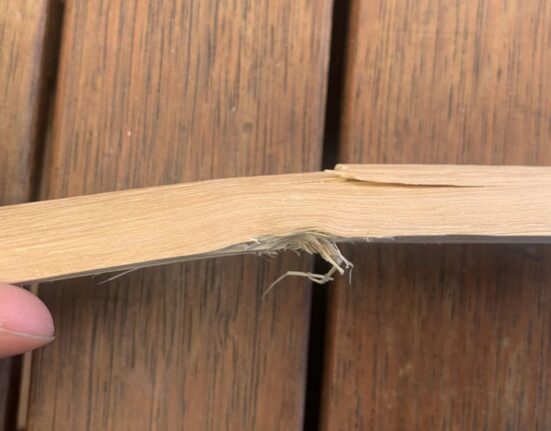

Wood furniture is widely known for its strength and durability, making it a popular choice for both indoor and outdoor use. However, as time passes and exposure increases, a common question arises: does wood weaken over time?
While wood can remain strong for decades, its performance may gradually change due to factors such as moisture exposure, aging, environmental conditions, and improper maintenance.
Understanding what causes wood to weaken over time helps you choose the right wood type for furniture, apply proper protection, and ensure long-lasting durability for furniture and structural applications.
Does Wood Weaken Over Time?
Does wood get weaker over time? Yes, it does. Interestingly, aging can initially improve wood’s strength because the moisture content inside the wood decreases over time. As wood dries, its fibers become denser and harder.
However, this condition does not last indefinitely. Long-term exposure to damaging factors will eventually reduce the stiffness and strength of wood furniture. Fortunately, this weakening process usually takes many years, which is why hardwood furniture can last for several decades.
Factors such as moisture exposure, temperature changes, UV radiation, biological attack (fungi or insects), mechanical stress, and poor maintenance can gradually reduce its strength and durability.
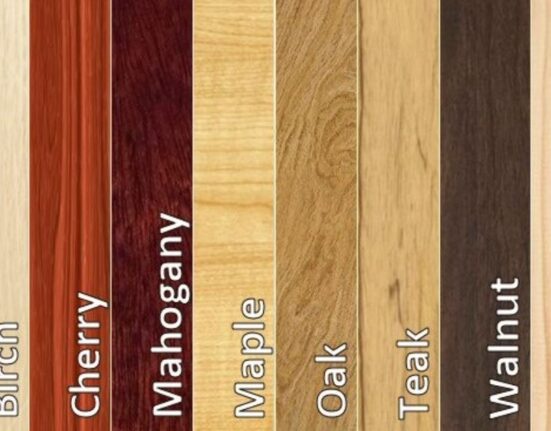
The type of wood, its density, and how it is used (indoor vs outdoor, structural vs decorative) also play a major role in how well it holds up over time.
Proper maintenance plays an important role in slowing down this process. Below are several simple yet effective ways to preserve wood furniture.
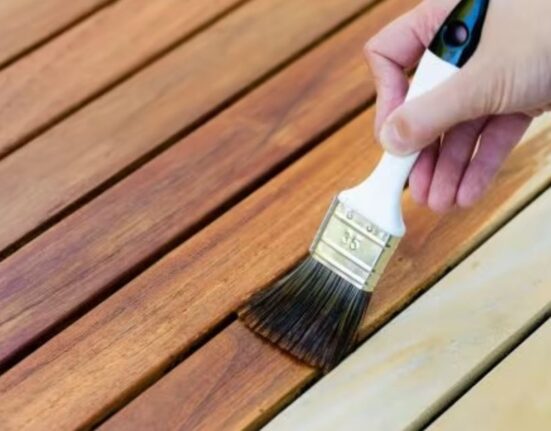
- Applying wood oil at least once a year helps prevent rot, wear, and surface damage that may weaken the furniture. Outdoor furniture or furniture in dry environments may require more frequent oiling.
- Keep wood furniture away from direct sunlight and excessive heat. Protective finishes such as varnish can help reduce damage.
- Clean wood furniture regularly by dusting or wiping it with a slightly damp cloth.
Factors Causing Wood to Weaken
Here is key factor that causing wood to weaken of wood furniture over time:
1. Moisture Exposure
Is wood weaker when wet? Yes. Excessive moisture softens wood cells and reduces stiffness. Furniture placed in high-humidity areas or outdoor environments is more vulnerable to this condition.
Moisture is one of the most common causes of wood weakening. When wood absorbs excess water, it expands and softens, which can lead to warping, cracking, and loss of structural integrity.
Repeated wet and dry cycles also accelerate deterioration by creating ideal conditions for decay and mold growth.
2. Biological Attack (Fungi or Insects)
Biological attack such fungi and insects can significantly weaken wood by breaking down its internal structure. Wood-decaying fungi thrive in damp environments and consume the wood fibers, while insects such as termites and beetles create tunnels that reduce strength from the inside.
These attacks often go unnoticed until serious damage has occurred.
Also Read: 10+ Guide to Choose Best Teak Wood for Furniture (Especially Outdoor)3. Mechanical Stress
Continuous or excessive mechanical stress can cause wood to weaken over time. Heavy loads, repeated pressure, or constant movement can lead to bending, cracking, or joint failure, especially if the wood is not properly supported or designed for the load it carries.
4. Sun Exposure (UV Radiation)
Prolonged exposure to sunlight can degrade wood surfaces through ultraviolet (UV) radiation. UV rays break down lignin, the natural component that binds wood fibers together, leading to surface fading, roughness, and gradual weakening if left unprotected.
5. Temperature Changes
Frequent temperature changes cause wood to expand and contract. Over time, this movement creates internal stress that can result in cracks, splits, and weakened joints. Extreme heat or cold can accelerate this process, especially in outdoor environments.
6. Poor Maintenance
Lack of proper maintenance allows minor issues to develop into serious problems. Without regular cleaning, sealing, or refinishing, wood becomes more vulnerable to moisture, UV exposure, and biological attacks, all of which contribute to faster deterioration.
Wood does not weaken automatically with age, but it becomes vulnerable when exposed to moisture, biological threats, and environmental stress.
By understanding these factors and applying proper protection such as sealing, treatment, and regular maintenance, wood can retain its strength and durability for many years.
At Republic Furniture manufacturer, we apply this knowledge throughout our manufacturing process using quality materials with teak wood, proper wood treatment, and expert craftsmanship to produce furniture that maintains its strength, stability, and beauty over time.
Explore our durable Jepara teak furniture designed for long-term performance.