
Using high-quality wood for furniture, flooring, and fixtures offers better durability and safety. However, wood strength is highly influenced by moisture conditions. This leads to a common question among homeowners and woodworkers: does wetting wood make it stronger?
Understanding how moisture affects wood is essential to prevent structural problems and reduce long-term damage.
Understanding Moisture Content in Wood and Its Drying Process
Freshly cut wood contains a very high moisture level, ranging from 60% to more than 200% of its dry weight. Because of this, timber must be dried before it is used for furniture or construction.
There are two common methods of drying timber: air drying and kiln drying. Most professional woodworkers prefer kiln drying because it is faster and produces more consistent results.
For furniture production, ideal wood moisture content ranges between 6% and 8%. Drying wood to this level increases its strength and stability. However, drying too quickly may cause cracking or warping.
Woodworkers dry timber for several important reasons:
- Dry wood has higher commercial value.
- Drying reduces the risk of rot, fungal growth, and insect damage.
- Dry timber is lighter, stronger, and more stable.
Does Wetting Wood Make It Stronger?
Based on these facts, dry wood is stronger than wet wood. Wetting wood does not increase its strength. Instead, when wood absorbs water, its moisture content rises.
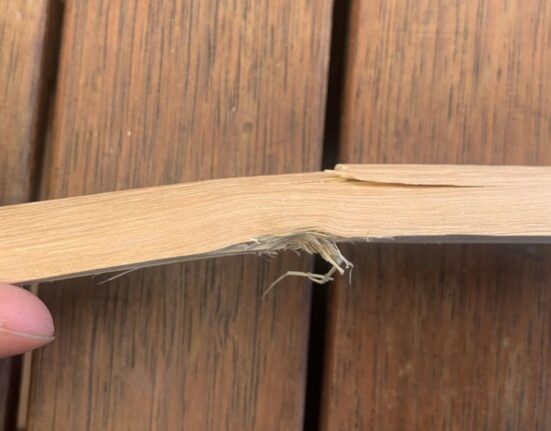
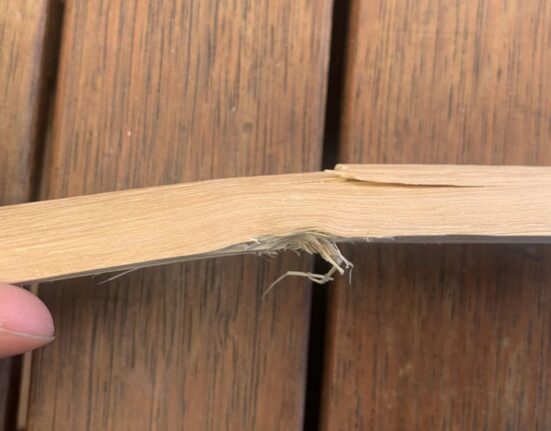
High moisture causes wood cells to swell and softens wood fibers. As a result, the wood loses stiffness and structural strength.
Although wet wood is easier to shape, furniture made from high-moisture timber may shrink when placed in dry conditions. This shrinkage can cause gaps, warping, and cupping, making the furniture unsafe and unattractive.
Other Effects of High Moisture in Wood
High moisture levels also encourage fungal growth. Fungi thrive in damp environments and gradually destroy wood fibers, weakening the material from the inside.
Wood affected by fungi often appears dull and may crumble into powder when pressed. This condition is a clear sign of decay.
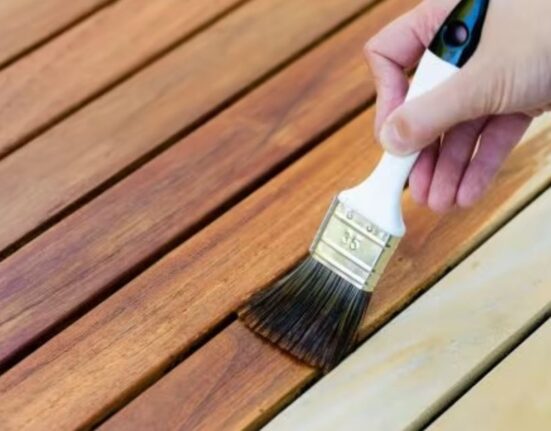
Another issue caused by excessive moisture is poor finishing results. Wetting wood before staining or varnishing prevents proper absorption, reducing protection against moisture and UV exposure.
High-quality
teak outdoor furniture
is produced using properly dried timber to ensure long-term durability.
Does wetting wood make it stronger?
No. Wet wood is weaker and more vulnerable to decay. For durable and stable furniture, wood must be properly dried and treated. If you need guidance or replacement furniture, you can contact us for professional assistance.