


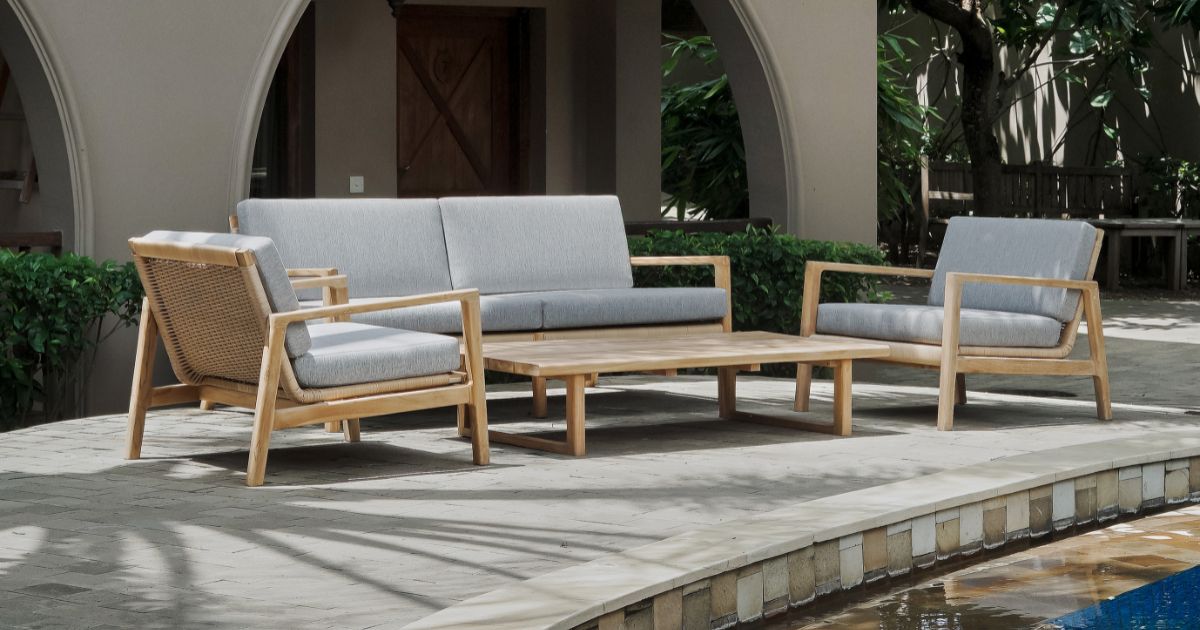
Choosing the right furniture can transform your space, but with so many options available, it’s important to know what truly matters. If you’re wondering how to choose Indonesian furniture, the answer lies in understanding quality materials, craftsmanship, and design authenticity.
Factors like craftsmanship, material variety, functionality, and overall design play a key role in finding the perfect pieces. Indonesian furniture is well-known for its versatility and unique character, making it suitable for a wide range of interiors.
In this guide, you’ll discover practical tips from Republic Furniture to help you select the best pieces that not only match your aesthetic but also offer long-lasting value.
How to Choose Indonesian Furniture?
Here are some essential tips how to choose Indonesian furniture that lasts:
1. Understand the Type of Furniture You Need
Start by identifying the purpose of the furniture. Are you looking for indoor pieces, outdoor sets, or furniture for commercial use? Knowing exactly what you need helps narrow down your options and ensures the furniture fits your space, function, and lifestyle.
2. Choose the Right Material
Indonesian furniture is made from a wide range of materials, including solid wood, rattan, metal, and combinations of these. Each material offers different benefits in terms of durability, appearance, and usage. Select a material that aligns with your environment and how the furniture will be used.
Also Read: 10 Reason Why Indonesian Teak Wood is Best in the World3. Choose the Right Type of Wood
If you are selecting wooden furniture, it’s important to understand the different types of wood available. Each type has its own characteristics in terms of strength, grain pattern, and resistance to environmental conditions.
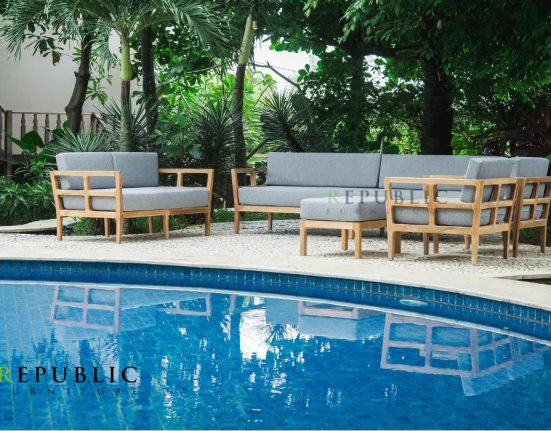
Teak wood is one of the best options to consider. It is well-known for its strength, durability, and natural resistance to moisture and weather conditions. Teak also offers a timeless appearance that suits various styles, making it a reliable choice for both indoor and outdoor furniture for patio.
4. Check the Quality of Craftsmanship
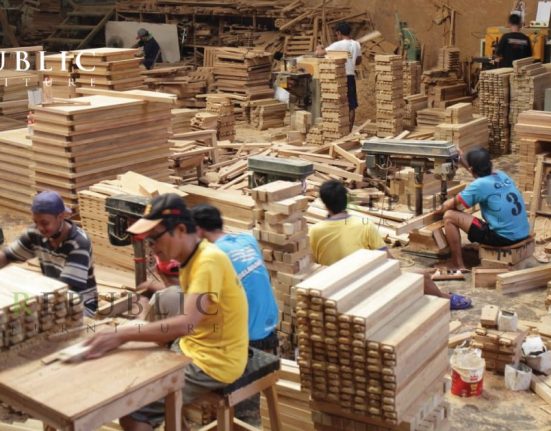
One of the key strengths of Indonesian furniture is its craftsmanship. Pay attention to details such as joints, finishes, and overall construction. High-quality craftsmanship ensures the furniture is sturdy, long-lasting, and visually appealing.
5. Evaluate the Design and Style
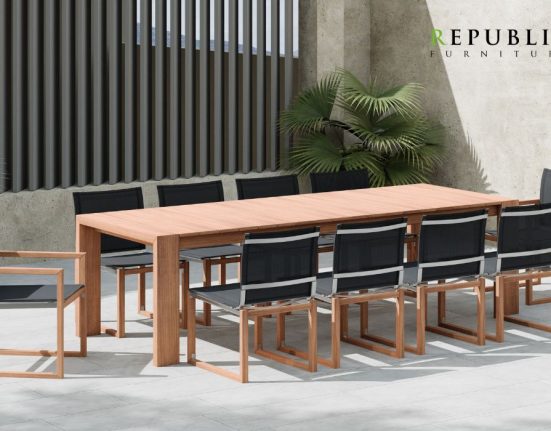
Indonesian furniture comes in various styles, from traditional and rustic to modern and minimalist. Choose a design that complements your interior or exterior theme. A well-matched style will enhance the overall aesthetic of your space.
6. Verify the Source and Sustainability
Make sure the furniture comes from a reliable and responsible source. Look for manufacturer certifications such as SVLK (Sistem Verifikasi Legalitas Kayu) or FSC (Forest Stewardship Council), which indicate that the wood is legally sourced and sustainably managed.
7. Consider Durability and Maintenance
Good furniture should not only look great but also withstand daily use. Consider how durable the material is and how much maintenance it requires. Choosing low-maintenance and durable pieces will save you time and cost in the long run.
8. Compare Prices and Value
Price is an important factor, but it should always be considered alongside quality. Instead of choosing the cheapest option, compare the value you’re getting in terms of materials, craftsmanship, and durability. Investing in higher-quality furniture often means better long-term savings.
Also Read: How to Choose Indonesia Furniture Manufacturer for Global Buyers9. Check Supplier Reputation
Before making a purchase, research the supplier’s reputation. Look for reviews, testimonials, or past projects to ensure they are trustworthy and experienced. A reliable supplier will be transparent, communicative, and consistent in delivering quality products.
10. Ask About Customization Options
One of the advantages of Indonesian furniture is the flexibility in design. Many furniture manufacturer offer customization options, allowing you to adjust size, finish, or design details. This helps you get furniture that perfectly matches your space and specific requirements.
11. Understand Shipping and Export Process
If you are buying from overseas, it’s important to understand the shipping and export procedures. Check details such as packaging, lead time, documentation, and delivery methods. A professional supplier will guide you through the process to ensure your furniture arrives safely and on time.
Knowing how to choose Indonesian furniture involves more than just selecting a design you like. By considering price, supplier reliability, customization possibilities, and logistics, you can make a more informed decision. With the right approach, you’ll find furniture that not only enhances your space but also delivers long-lasting value and satisfaction.
Discover Premium Indonesian Furniture with Republic Furniture
If you are applying the guide on how to choose Indonesian furniture, Republic Furniture manufacturer is ready to be your trusted partner in finding the perfect pieces. We provide a wide selection of high-quality Indonesian furniture designed with excellent craftsmanship, sustainable sourcing, and flexible customization options to match your needs.
From material selection to shipping and export support, our team ensures a smooth and reliable experience for both local and international buyers. Contact us today and discover Indonesian furniture that not only enhances your space but also delivers lasting quality, value, and satisfaction.




Leave feedback about this