

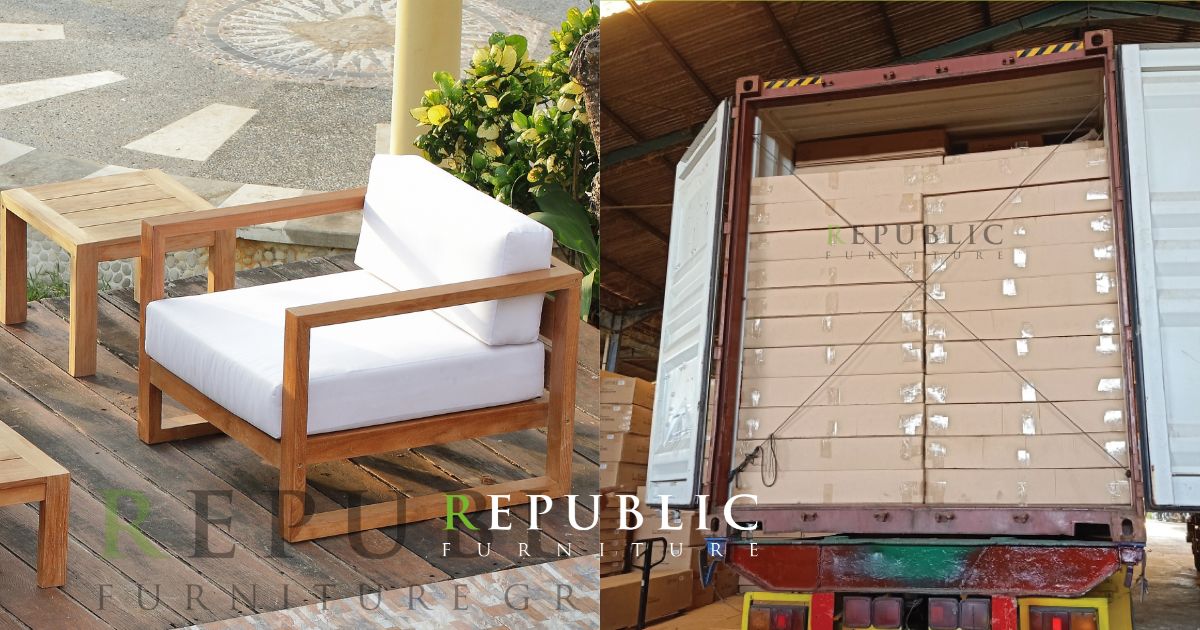
Required documents for importing furniture from Indonesia are essential to understand when preparing to importing furniture from Indonesia as the process involves strict documentation and compliance.
As international trade regulations continue to evolve in 2026, importers must ensure full compliance to avoid delays, additional costs, or customs issues. This article provides a clear and structured overview of the key documents needed to importing Indonesian furniture.
Everything explained in this article, Republic Furniture will help buyers, distributors, and business owners navigate the import process with confidence and efficiency.
Key Documents Required for Importing Furniture
By understanding these key documents in advance, you can streamline the import process, minimize risks, and ensure smooth customs clearance.
1. Commercial Invoice (Sales Invoice)
The Commercial Invoice, also known as the Sales Invoice, is one of the most critical documents required when importing furniture from Indonesia. Issued by the exporter or furniture manufacturer, this document serves as the primary reference for customs authorities.
It is needed to assess the value of the goods, calculate import duties and taxes, and verify the legitimacy of the transaction.
A complete and accurate commercial invoice should include the following key details:
- Description of Goods: A clear and detailed description of the furniture being imported, including material type (such as teak wood), product name, model, and specifications. This helps customs officials correctly classify the goods under the appropriate HS code.
- Quantity and Unit Price: The exact number of items being shipped along with the price per unit. This information ensures transparency and prevents discrepancies during customs inspection.
- Total Value: The total invoice value, calculated based on the quantity and unit price. This figure is essential for determining import duties, taxes, and overall shipment value.
- Incoterms (e.g., FOB, CIF): The agreed International Commercial Terms that define the responsibilities of the buyer and seller, including who bears the cost, risk, and insurance during shipment.
- Currency Used in the Transaction: The currency in which the transaction is conducted (such as USD or EUR), which allows customs authorities and financial institutions to accurately assess payment and exchange values.
Ensuring that the commercial invoice is complete, consistent, and error-free is essential, as any inaccuracies may lead to customs delays, penalties, or additional verification requirements during the furniture import process.
Also Read: How to Choose Indonesia Furniture Manufacturer for Global Buyers2. Bill of Lading or Air Waybill (Shipping Document)
The Bill of Lading (B/L) or Air Waybill (AWB) is a crucial shipping document issued by the carrier or freight forwarder once the Indonesia furniture shipment has been handed over for transportation.
This document confirms that the goods have been received in good order and outlines the terms under which they will be transported from Indonesia to the destination country.
The Bill of Lading or AWB serves several important functions in the furniture import process:
- A Receipt of Goods for Shipment: It acts as official proof that the carrier has received the furniture from the exporter for shipment. This includes basic shipment details such as the shipper, consignee, port of loading, port of destination, and a summary of the cargo.
- Evidence of the Contract of Carriage: The document outlines the contractual agreement between the shipper and the carrier, defining the responsibilities, liabilities, and conditions of transport during the journey.
- A Title to the Goods (for Sea Freight): In the case of a Bill of Lading, the document also functions as a document of title, meaning it represents ownership of the goods. The importer must present the original Bill of Lading to claim and release the furniture upon arrival at the destination port.
For air shipments, the Air Waybill does not serve as a title to the goods but still plays a vital role in tracking, customs clearance, and delivery coordination.
Ensuring that the information on the Bill of Lading or AWB matches the commercial invoice and packing list is essential to prevent delays or disputes during customs clearance.
3. Detailed Packing List
The Detailed Packing List is an essential supporting document that provides a clear breakdown of how the furniture items are packed and organized within the shipment.
While it does not indicate the value of the goods, this document is crucial for customs inspection, cargo handling, and verification of shipment details against other import documents.
A comprehensive packing list should include the following information:
- Type of Packaging: A description of how the furniture is packed, such as cartons, wooden crates, pallets, or a combination of packaging types. This helps customs officers and logistics providers handle the cargo appropriately and assess any special requirements.
- Number of Units per Packaging: The exact quantity of furniture items contained in each package or crate. This allows customs authorities and warehouse operators to quickly verify the shipment contents during inspections or unloading.
- Dimensions and Weight: The measurements (length, width, and height) and the gross and net weight of each package. Accurate dimensions and weight data are essential for freight calculations, space planning, and ensuring compliance with shipping and safety regulations.
A well-prepared packing list improves transparency and efficiency throughout the import process.
Also Read: 9 Comprehensive Guide to Choosing Furniture from Indonesia4. Certificate of Origin (Country of Manufacture)
The Certificate of Origin (COO) is an official document that certifies the country where the furniture is manufactured, in this case, Indonesia. Issued by authorized institutions such as chambers of commerce or government bodies, this document is required by customs authorities to determine the origin of the goods for tariff and regulatory purposes.
The Certificate of Origin plays a vital role in the furniture import process for several reasons:
- Access Preferential Trade Agreements (e.g., GSP): The COO enables importers to benefit from preferential trade schemes such as the Generalized System of Preferences (GSP), where eligible products from Indonesia may receive reduced or zero import duties in certain destination countries.
- Qualify for Reduced Tariffs: By proving the Indonesian origin of the furniture, importers can apply for lower tariff rates in accordance with applicable trade agreements, helping to reduce overall import costs.
- Comply with Destination Country Regulations: Many countries require a Certificate of Origin to meet import regulations, enforce trade policies, and ensure compliance with customs and statistical reporting requirements.
Submitting a valid and accurate Certificate of Origin is essential, as errors or missing information may result in the loss of tariff benefits, customs delays, or rejection of the shipment during the furniture import clearance process.
5. Valid Import License
A Valid Import License is a regulatory requirement that may apply depending on the destination country’s trade and customs regulations. While not all countries require a specific license for furniture imports, certain markets impose additional permits or declarations, especially for products made from wood or natural resources.
The purpose of an import license is to ensure that the imported indonesian furniture complies with national laws, trade policies, and environmental regulations. Key considerations include:
- Country-Specific Requirements: Each importing country has its own licensing rules. Importers must verify whether a general import license or a product-specific permit is required before shipment to avoid clearance issues.
- Compliance with Environmental and Trade Laws: For wood-based furniture, many countries enforce strict regulations to prevent illegal logging and promote sustainable sourcing.
- Example – United States (Lacey Act Declaration): In the U.S., importers of wooden furniture are required to submit a Lacey Act declaration, which discloses the scientific name of the wood species, country of harvest, and product details. This declaration helps ensure that the wood is legally sourced and environmentally compliant.
Failure to obtain the required import license or submit mandatory declarations can result in shipment delays, fines, or even seizure of goods. Therefore, importers should confirm all licensing obligations in advance to ensure a smooth and compliant furniture import process.
Also Read: Is Indonesia Furniture Worth to Buy? A Complete Buyer’s Guide6. FLEGT License (If Applicable)
The FLEGT License (Forest Law Enforcement, Governance and Trade) is a mandatory document for importing certain wood and wood-based products from Indonesia into specific markets, particularly the European Union.
This license confirms that the furniture is made from legally harvested timber and complies with Indonesia’s timber legality assurance system.
A FLEGT license provides several important benefits:
- It demonstrates full compliance with EU Timber Regulation (EUTR) requirements, reducing the need for additional due diligence.
- It assures buyers that the wood used in the furniture is legally sourced and sustainably managed.
- It helps prevent customs delays or rejection of shipments in markets where FLEGT compliance is enforced.
Importers should verify whether their destination country requires a FLEGT license and ensure it is issued and included with the shipment documentation when applicable.
7. Customs Declaration
The Customs Declaration is a formal statement submitted to customs authorities that provides complete and accurate information about the imported furniture. This document is typically prepared by the importer or handled by a licensed customs broker or freight forwarder on the importer’s behalf.
Key elements included in the customs declaration are:
- HS Code of the Products: The Harmonized System (HS) code classifies the furniture based on its type and material, which determines the applicable import duties and regulatory requirements.
- Declared Customs Value: The value of the goods declared for customs purposes, usually based on the commercial invoice and adjusted according to the agreed Incoterms.
- Tax and Duty Calculations: Import duties, VAT, and other applicable taxes calculated in accordance with local regulations, prepared with or by your customs broker or freight forwarder.
Accurate customs declarations are critical, as incorrect HS codes or declared values may lead to penalties, reassessments, or shipment delays.
Also Read: 10+ Reasons Why Indonesian Furniture Is So Popular8. Insurance Certificate (Optional but Recommended)
The Insurance Certificate provides proof that the furniture shipment is insured against potential risks during transit, such as damage, loss, or theft. While not always mandatory, it is highly recommended, especially for high-value or long-distance shipments.
This document typically outlines:
- The coverage amount and insured value of the goods
- The type of risks covered (e.g., marine cargo insurance)
- The validity period of the insurance during transportation
Having an insurance certificate offers financial protection and peace of mind, ensuring that unexpected incidents during shipping do not result in significant losses.
9. Other Supporting Documents
In addition to the primary documents, certain shipments may require additional supporting documents depending on the product type, destination country, and inspection requirements.
Common examples include:
- Fumigation Certificate: Required for wooden packaging materials such as pallets or crates to confirm they are free from pests and comply with international phytosanitary standards.
- Phytosanitary Certificate: Necessary when exporting natural plant-based or untreated wood items, certifying that the products meet plant health regulations.
- Inspection Certificates: Issued by independent inspection agencies such as SGS or similar organizations, verifying product quality, quantity, and compliance before shipment.
- Product Compliance Certificates: Required in certain markets to confirm that furniture meets safety or regulatory standards, such as flame retardancy, child safety, or other consumer protection requirements.
Note: The policies of each destination country may vary, please confirm with your furniture manufacturer or supplier partner.
Preparing these supporting documents in advance helps ensure regulatory compliance, smooth customs clearance, and successful delivery when importing furniture from Indonesia.
Understanding and preparing all required import documents is essential for ensuring a smooth, compliant, and efficient furniture import process from Indonesia. To ensure a reliable, compliant, and hassle-free import process, consider sourcing your furniture through the Republic Furniture website.
Where expertly crafted Indonesian furniture is supported by professional export documentation, certified materials, and experienced international shipping assistance, giving you confidence from production to delivery.
Source:
- https://www.uniaircargo.co.id/blog/export-import/required-documents-to-import-furniture-from-indonesia






Leave feedback about this