


Teak wood has long been regarded as one of the most valuable hardwoods in the world, prized for its exceptional durability, natural beauty, and resistance to weather and pests. From luxury outdoor furniture to shipbuilding and architectural applications, teak plays a crucial role across global industries.
But with growing international demand and increasing focus on sustainability, an important question arises: which country stands as the world’s leading producer of teak wood?
Understanding the origins of teak not only reveals where the finest quality comes from, but also helps buyers make informed decisions about craftsmanship, legality, and long-term value.
Which Country Is The Highest Producer of Teak?
Which country is the largest producer of teak? It’s Indonesia. Indonesia stands as leading and world largest producer of teak wood by producing approximately 40% of the world’s supply, making it the largest teak producer globally and supplying a large share of the global market.
Its extensive, government-managed plantations on the island of Java are especially renowned for producing high-quality, sustainably harvested teak that is widely used in outdoor furniture manufacturing.
Although Myanmar is known for its premium old-growth teak and India remains an important producer, Indonesia’s large-scale plantations and consistent output position it as the most dominant supplier of teak on the global stage.
Other Major Teak Wood Producing Countries
Beyond the world’s leading teak producer, several other countries play an important role in supplying teak wood to the global market.
These nations contribute diverse types of teak, ranging from plantation-grown timber to premium natural forest teak, each with its own characteristics in terms of grain, color, and durability.
Here’s other major teak wood producing countries:
1. Southeast Asia – The Heart of Global Teak Production (Indonesia as A Leader in Teak Production)
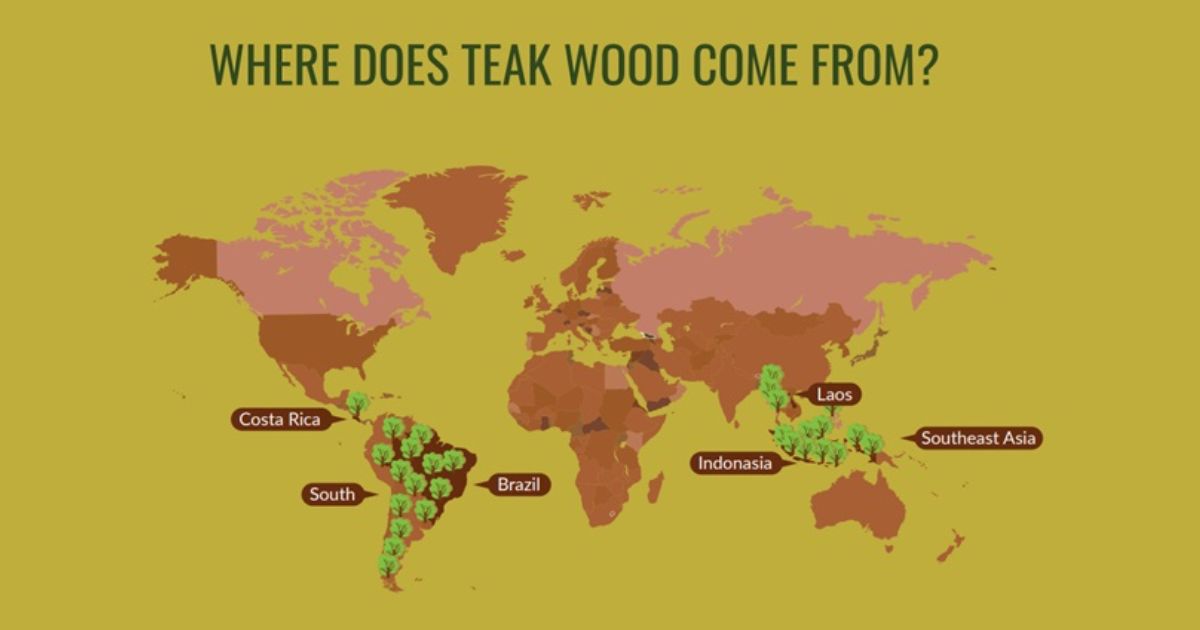
Teak wood is naturally grown in South and Southeast Asia, with the main sources being Indonesia, India, Myanmar, Laos, and Thailand which is Indonesia the largest producer. If you’re wondering where teak wood is grown or where teak comes from, these countries are the answer.
Teak thrives in regions with warm, humid climates and heavy rainfall, which explains where teak grows best. The fertile, well-drained soils in these areas support strong root systems, helping explain where teak wood comes from and why it is known for its durability and resilience.
Indonesian teak is known for its consistent quality, durability, and sustainable sourcing, making it a preferred material for outdoor furniture, architectural elements, and marine applications worldwide.
2. India – A Longstanding Tradition of Teak Cultivation
India has a long and respected history of teak cultivation, with plantations spread across states such as Kerala, Karnataka, and Madhya Pradesh. Indian teak is valued for its strength and dense grain, often used in construction, doors, and high-end interior furniture.
While much of India’s teak is consumed domestically, it remains an important contributor to global teak production due to its scale and heritage.
3. Myanmar – Home of the World-Renowned Burmese Teak
Myanmar is famous for producing Burmese teak, often regarded as the highest-grade natural teak in the world. Harvested primarily from natural forests, this teak is prized for its rich golden-brown color, high oil content, and exceptional durability.
Although exports are now more limited due to strict regulations and sustainability concerns, Burmese teak continues to set the benchmark for premium teak quality.
4. Laos – An Emerging Teak-Producing Country
Laos has recently gained attention as an emerging teak producer in Southeast Asia. The country benefits from favorable growing conditions and increasing investment in plantation forestry.
Laotian teak is commonly used for furniture and construction, offering a balance between quality and affordability, though its production scale remains smaller compared to regional leaders.
5. Thailand – An Emerging Player in Teak Production
Thailand has a long association with teak, even though large-scale logging from natural forests has been restricted for decades. Today, teak production in Thailand mainly comes from plantations, focusing on sustainable forestry practices.
Thai teak is often used for domestic purposes and niche export markets, valued for its attractive grain and reliable performance.
6. Costa Rica – Sustainable Teak Production with Ecological Balance
Outside Asia, Costa Rica has become a notable teak producer, particularly known for its commitment to sustainable plantation management. Teak grown in Costa Rica matures relatively quickly and is commonly used for furniture, decking, and outdoor applications.
The country’s strong environmental regulations and reforestation efforts make Costa Rican teak appealing to environmentally conscious buyers.
7. Brazil – Distinctive Teak with Unique Color Variations
Brazil is another important teak-producing country in Latin America, with large-scale plantations developed to meet global demand. Brazilian teak often features lighter tones and unique color variations compared to Asian teak, offering designers and furniture manufacturer alternative aesthetic options.
Its consistent supply and competitive pricing have helped Brazil gain a growing presence in the international teak market.
Why Choose Indonesian Teak Wood?
Discover why Indonesian teak wood continues to set the global standard for quality, durability, and sustainability, and how choosing it can elevate both the beauty and long-term value of your furniture investment.
1. Indonesia’s Dominance in Global Teak Production
Teak wood in Indonesia is dominance in global teak production. Indonesia is the highest producer teak wood in the world by supplying about 40% of the world’s teak, ranking as the largest producer worldwide and supplying a significant share of the global market.
Supported by large-scale plantations, particularly on the island of Java, Indonesian teak is known for its consistent quality, reliable supply, and suitability for outdoor patio furniture, construction, and marine use.
This dominance allows Indonesia to meet international demand while maintaining controlled and regulated production standards.
2. Sustainable Forestry Management by Perum Perhutani
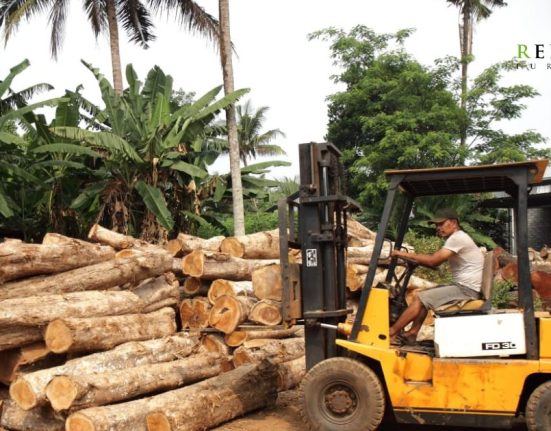
A key factor behind Indonesia’s teak industry is Perum Perhutani, the state-owned forestry enterprise responsible for managing teak plantations on Java. Perhutani applies long-term forest management plans, including replanting, rotation cycles, and controlled harvesting.
This structured approach ensures a continuous supply of teak wood while preserving forest productivity for future generations.
3. SVLK Certification for Legal and Responsible Teak Wood
Indonesia’s teak industry is supported by the SVLK (Sistem Verifikasi Legalitas Kayu) certification, which verifies that wood products are legally sourced and responsibly traded.
Teak certification such as SVLK certification provides transparency across the supply chain, giving international buyers confidence that Indonesian teak complies with legal requirements and global sustainability standards.
4. Commitment to Sustainable Teak Wood Production
Sustainability is a core principle of Indonesian teak production. Plantation-based forestry reduces pressure on natural forests while ensuring teak trees are grown, harvested, and regenerated responsibly.
This commitment helps maintain consistent wood quality and supports environmentally responsible practices aligned with global market expectations.
5. Responsible Harvesting Practices
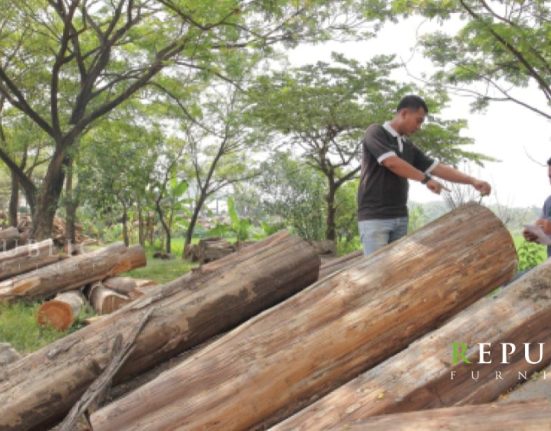
Indonesian teak is harvested using controlled and selective methods designed to minimize environmental impact. Trees are cut only after reaching optimal maturity, ensuring superior strength and durability.
These responsible harvesting practices help maintain forest health while delivering high-quality teak for long-lasting furniture and architectural applications.
6. Environmental Conservation and Ecosystem Protection
Beyond timber production, Indonesia’s teak forestry system emphasizes environmental conservation and ecosystem protection. Forest management programs include soil preservation, water management, and biodiversity protection, ensuring teak plantations coexist with surrounding ecosystems.
This balanced approach makes Indonesian teak an attractive choice for buyers who value both premium quality and environmental responsibility.
In conclusion, being the world’s largest producer of teak wood like Indonesia is not determined solely by the size of a country’s teak forests, but also by sustainable management practices, forestry policies, and the quality of the wood produced.
Countries that successfully balance economic utilization with environmental conservation are better positioned to maintain long-term leadership in the global teak industry.
As global demand for high-quality and sustainably sourced teak continues to grow, the role of major teak-producing nations becomes increasingly important, not only for international trade but also for the preservation of natural resources for future generations.
Source Premium Teak Furniture from the World’s Leading Producer
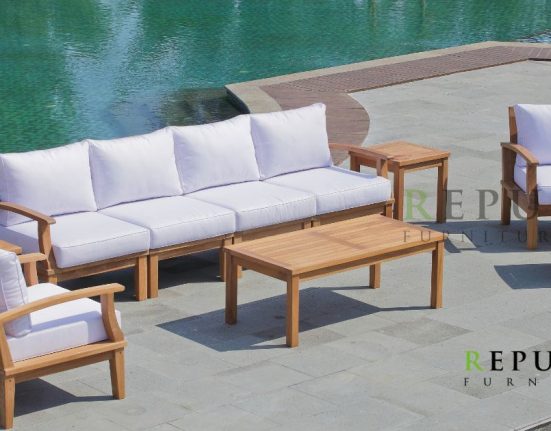
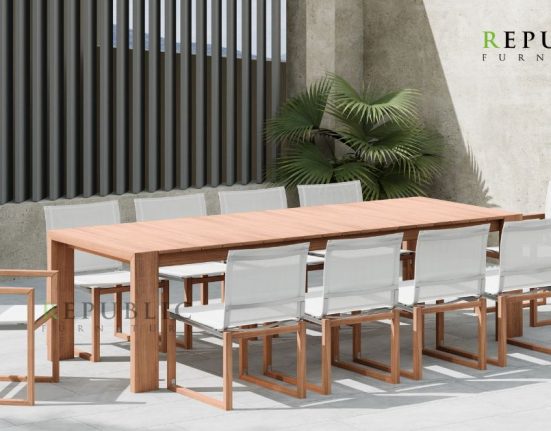
Choosing teak from the world’s largest producer ensures quality, longevity, and sustainability. Republic Furniture is an experienced Indonesian furniture manufacturer specializing in teak outdoor furniture for export worldwide. Contact us and discover the advantage of sourcing teak wood from Indonesia.
Reference:
- https://www.goldenteak.com/b22/2024/11/19/which-country-is-the-largest-producer-of-teak
- https://en.wikipedia.org/wiki/Teak
- https://www.zenddu.com/teak-plantations-countries/
- https://laquaplantations.com/teak.html
- https://www.gardenbenches.com/blog/what-is-teak-wood



Leave feedback about this