

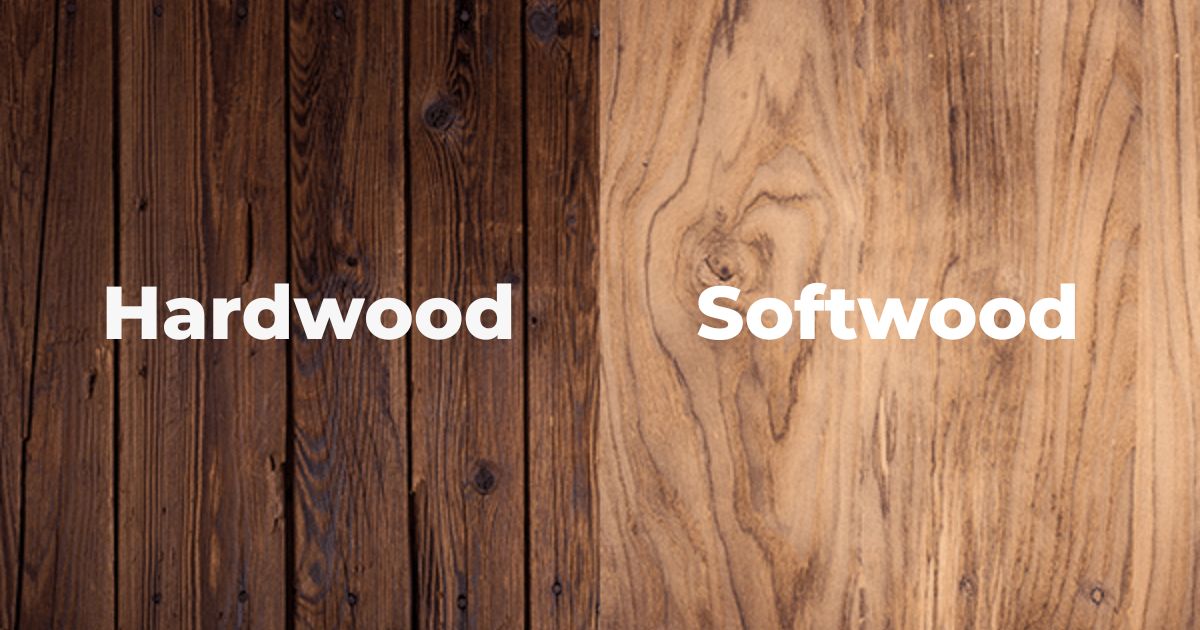
Wood is broadly classified into two main categories, hardwood and softwood, based on the botanical structure of the trees from which it is derived. Understanding the differences between hardwoods and softwoods is essential for selecting the right material for furniture, construction, and decorative applications.
In this article, Republic Furniture will help you to to tell the difference between hardwood and softwood lumber from the definitions, along with clear examples, common uses, and a comprehensive list of wood types to help you make informed material choices.
Definition of Hardwood
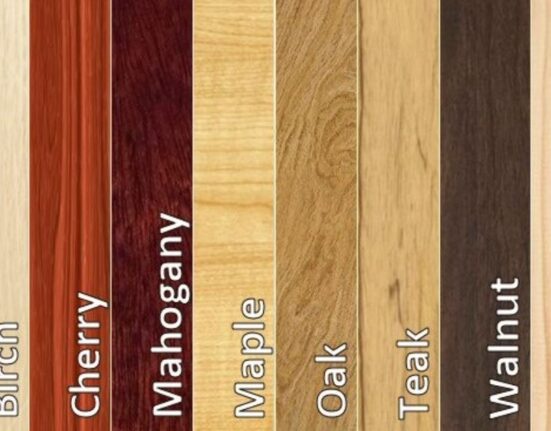
Hardwood is wood obtained from angiosperm (flowering) trees, which typically have broad leaves and shed them seasonally. Common hardwood species include teak wood, oak, mahogany, walnut, and maple.
These trees generally grow more slowly than softwoods, producing a denser cellular structure that gives hardwood its well-known strength, durability, and resistance to wear.
Although it is usually heavier and more expensive than softwood, hardwood’s longevity, visual appeal, and ability to withstand environmental stress make it a preferred choice for high-quality and long-lasting applications.
Also Read: Jepara Teak Wood: Characteristics, Quality, and Why It Stands OutDefinition of Softwood
Softwood comes from gymnosperm trees, mainly coniferous species that produce cones and are usually evergreen. Common examples include pine, cedar, fir, spruce, and redwood.
Softwood is popular because it is widely available, affordable, and easy to work with. It is commonly used in construction, paneling, plywood, and paper production.
It is also often used in furniture for economical designs or indoor components, while treated types like cedar and redwood are suitable for outdoor use due to their resistance to moisture and insects.
Hardwood vs Softwood, What Are The Differences?
When comparing hardwood and softwood, the differences extend beyond their names to include growth patterns, physical properties, appearance, and typical uses.
Them what is the difference between hardwood and softwood? Here is the complete comparisons:
1. In Terms of Examples of Tree
In terms of hardwood vs softwood trees example list, hardwood comes from flowering trees type (angiosperms) include trees such as as teak, oak, mahogany, walnut, maple, and cherry. Softwood is obtained from cone-bearing trees type (gymnosperms), examples of softwood trees are pine, cedar, fir, spruce, and redwood.
2. In Terms of Characteristics
In terms of characteristics, hardwood is generally denser, stronger, heavier, and more durable with complex grain patterns and rich colors, while softwood is lighter, less dense, easier to work with, and typically has a simpler grain and lighter appearance.
Here are the detailed differences between hardwood and softwood based on their characteristics:
a. In Terms of Strength
Hardwood is generally stronger due to its dense cellular structure, making it suitable for load-bearing furniture and structural applications. Softwood is comparatively less strong but still adequate for many construction and furniture uses when properly designed and treated.
b. In Terms of Durability
From hardwood vs softwood durability, hardwood offers higher durability and better resistance to wear, impact, and decay, especially in high-traffic or long-term applications. Softwood is less durable by nature but can achieve improved longevity through chemical treatment and protective finishes.
Also Read: 10+ Guide to Choose Best Teak Wood for Furniture (Especially Outdoor)c. In Terms of Grain
From hardwood vs softwood grain, hardwood typically features complex, tight, and varied grain patterns that enhance its decorative appeal. Softwood usually has a straighter, more uniform grain, which gives it a simpler and more consistent appearance.
d. In Terms of Color
Hardwood naturally occurs in a wide range of rich colors, from light beige to deep browns and reddish tones. Softwood is generally lighter in color, often pale yellow or light brown, and is commonly painted or stained to alter its appearance.
e. In Terms of Weight
Hardwood is heavier due to its higher density, contributing to its strength and stability. Softwood is lighter, making it easier to transport, handle, and install.
f. In Terms of Hardness
Hardwood is typically harder, allowing it to resist dents and scratches more effectively. Softwood is softer and more prone to surface damage, though this can be reduced with protective coatings.
g. In Terms of Cell Structure
From hardwood vs softwood cell structure, hardwood has a more complex cell structure with vessels (pores) that help transport water, contributing to its strength and varied texture. Softwood has a simpler cell structure, mainly composed of tracheids, resulting in a more uniform appearance.
h. In Terms of Density
Hardwood has a higher density, which enhances its durability and load-bearing capacity. Softwood has lower density, making it easier to work with but generally less resistant to wear.
i. In Terms of Leaves
Hardwood trees typically have broad, flat leaves and are often deciduous, shedding their leaves seasonally. Softwood trees usually have needle-like or scale-like leaves and tend to remain evergreen.
j. In Terms of Roots
Hardwood trees often develop deep and widespread root systems that provide strong anchorage and long-term stability. Softwood trees usually have shallower root systems, allowing for faster growth but offering less natural stability.
3. In Terms of Best Uses for Furniture
From hardwood vs softwood furniture uses, hardwood is ideal for high-quality and long-lasting outdoor furniture such as outdoor dining tables, chairs, cabinets, and wardrobes due to its strength and refined appearance. Softwood is commonly used for budget-friendly furniture, lightweight pieces, shelving, and internal frames where extreme durability is not required.
Also Read: 7 Guide to Choose Best Teak Furniture That Lasts for Years4. In Terms of Outdoor Uses
Hardwood, especially species like teak and oak, performs well outdoors because of its natural resistance to moisture and decay. Softwood can also be used outdoors, but it typically requires high effort treatment; naturally resistant softwoods like cedar and redwood are popular for decks, fences, and garden furniture.
5. In Terms of Properties
Hardwood is generally denser, stronger, and more durable, with rich color variations and complex grain patterns. Softwood is lighter, less dense, and has a simpler grain, making it easier to transport and use but usually less resistant to wear.
6. In Terms of Workability
Softwood is easier to cut, shape, nail, and glue, making it suitable for quick construction and mass production. Hardwood is harder to work with due to its density and often requires specialized tools and skills, but it provides superior strength and finish.
7. In Terms of Customize
Hardwood offers excellent customization potential, including detailed carving, fine joinery, staining, and polishing. Softwood is also customizable but is better suited for simple designs, painting, and basic finishes rather than intricate detailing.
8. In Terms of Environmental Impact
Hardwood trees generally take longer to mature, so unsustainable harvesting can have a greater environmental impact if not properly managed. Softwood trees grow faster and are often cultivated in managed forests, making softwood products more readily renewable when sourced responsibly. In both cases, certified sustainable forestry practices help reduce environmental harm.
9. In Terms of Growth Rate
From hardwood vs softwood growth rate, hardwood trees grow slowly, sometimes taking several decades to reach maturity, which contributes to their density and strength. Softwood trees grow much faster, allowing for quicker harvesting cycles and more consistent supply.
10. In Terms of Maintenance
Hardwood furniture and structures typically require less frequent maintenance due to their durability, though periodic polishing or sealing helps preserve their appearance. Softwood usually needs more regular maintenance, especially when used outdoors, as it is more prone to dents, moisture damage, and wear unless treated.
11. In Terms of Cleaning
Hardwood surfaces are generally easy to clean with mild cleaners and benefit from occasional conditioning to maintain their finish. Softwood surfaces can be more sensitive to moisture and scratches, so gentle cleaning methods and protective finishes are important.
Also Read: 7 Best Way to Clean and Care Teak Outdoor Furniture12. In Terms of Burning
Hardwood is preferred as firewood because it burns slower, produces more heat, and creates longer-lasting embers. Softwood ignites quickly and burns faster, making it useful for kindling but less efficient for sustained heating.
13. In Terms of Price
From hardwood vs softwood price, hardwood is typically more expensive due to its slow growth rate, density, and premium appearance. Softwood is more affordable and widely available, making it a cost-effective option for construction, budget furniture, and large-scale projects.
Choosing between hardwood and softwood depends on your budget, purpose, and durability needs. Hardwood is ideal for long-lasting, high-quality furniture due to its strength, durability, and elegant appearance, making it a worthwhile investment for permanent pieces.
Softwood offers a more affordable and flexible option, suitable for lightweight or budget-friendly furniture. Understanding these differences helps you choose the right wood to match your furniture needs and lifestyle.
Reference:
- https://en.wikipedia.org/wiki/Softwood
- https://en.wikipedia.org/wiki/Hardwood
- https://duffieldtimber.com/the-workbench/timber-trends/hardwood-vs-softwood-what-are-the-differences
- https://www.laver.co.uk/blog/hardwood-vs-softwood-whats-the-difference.html
- https://northcastlehw.com/blogs/wood/hardwood-vs-softwood-lumber-uses-and-differences


Leave feedback about this