


Choosing the right wood is essential when investing in quality furniture, especially when it comes to durability and long-term value. Many buyers often wonder how to identify teak wood to ensure they are getting authentic material rather than lower-grade alternatives.
Known for its strength, natural oils, and resistance to weather, teak wood has become a top choice for both indoor and outdoor furniture. Understanding the key characteristics of genuine teak will help you make smarter purchasing decisions and avoid costly mistakes.
In this article, Republic Furniture provides a comprehensive overview of the key characteristics and methods used to identify teak wood, offering valuable insights for distinguishing authentic teak from other similar-looking woods.
Teak Wood Identification
Here are expert guide on how to identify teak wood for better furniture:
1. Highest Quality Teak is Golden Brown Color
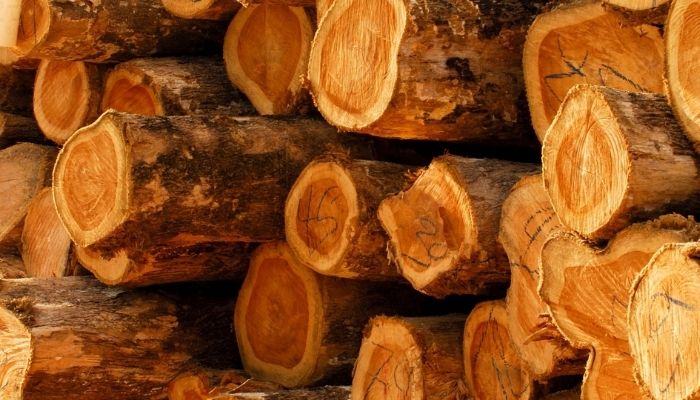
How to identify original teak wood? Original teak wood color is naturally features a warm golden-brown hue, especially when freshly cut or finely sanded, giving it a luxurious and timeless appearance. Color of teak wood deepens beautifully over time as the wood matures.
Its rich coloration is one of the most reliable visual indicators of authenticity. If the color appears too pale, overly dark, patchy, or inconsistent, it may suggest that the wood is not genuine teak, has been heavily treated, or belongs to a lower grade with reduced durability and aesthetic appeal.
2. Real Teak Wood Has a Long and Straight Grain
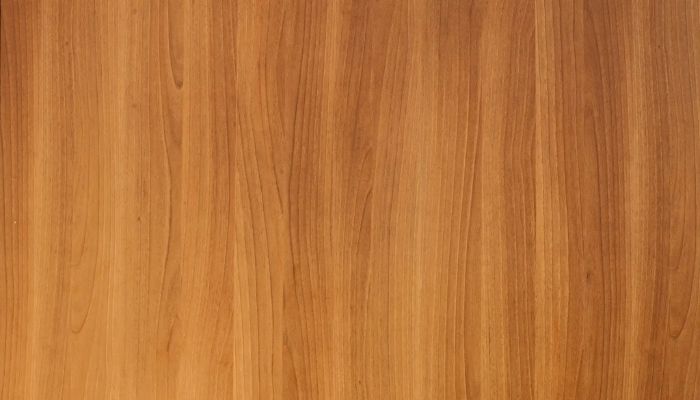
How to tell if wood is teak? Authentic teak wood grain pattern is known for its smooth, long, and straight grain pattern with minimal imperfections, creating a naturally elegant look that enhances the aesthetic of any furniture piece.
High-quality teak has very few knots, giving it a refined and uniform appearance that signals superior craftsmanship and material selection. This clean grain structure not only contributes to its visual appeal but also reflects the wood’s strength and stability.
In contrast, cheaper or lower-grade teak often contains larger knots, uneven textures, and irregular grain patterns that can weaken the wood, reduce its durability, and affect the overall lifespan of the furniture. These inconsistencies make lower-quality teak less reliable, especially for long-term outdoor use.
3. Real Teak is Very Hard and Very Heavy
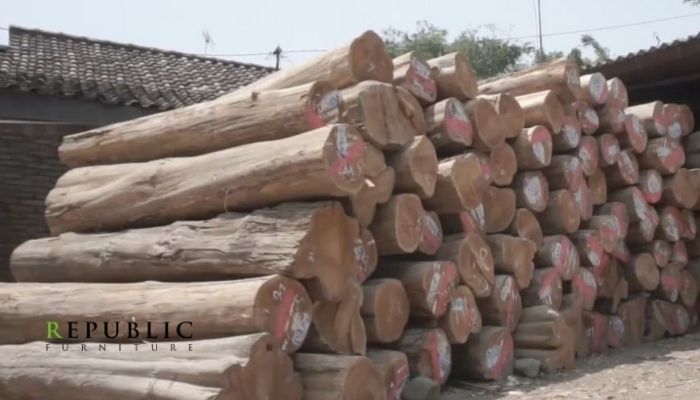
How to identify teak wood for furniture? Teak wood is one of the densest hardwood, making it significantly heavy and harder than many other types of furniture wood, which is why it is highly valued for both indoor and outdoor applications.
When you lift real teak furniture, it should feel solid, weighty, and sturdy, giving an immediate impression of strength and quality. Unlike lighter, imitation woods that may feel hollow or fragile, genuine teak offers a reassuring density, resistance to wear, and overall structural integrity.
4. Real Teak Wood Shouldn’t Break or Crack
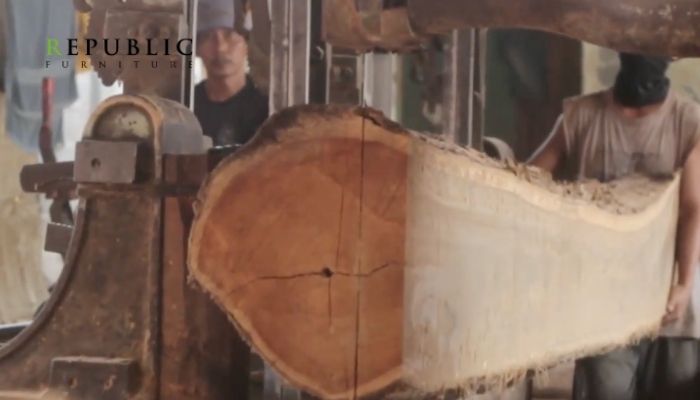
How to tell if something is teak wood? High-quality teak is extremely durable and resistant to cracking or breaking because of its dense structure and abundant natural oils, which act as built-in protectants against environmental stress.
The wood fibers are tightly packed and exceptionally strong, giving teak superior stability and resilience compared to softer or imitation woods that often dry out, warp, or fracture over time.
If the wood cracks easily, feels brittle, or shows signs of premature damage, it is unlikely to be genuine teak or may be a lower-grade material that lacks the durability true teak is known for.
5. More Aged Teak Wood More Strong (20-30 Years or More)
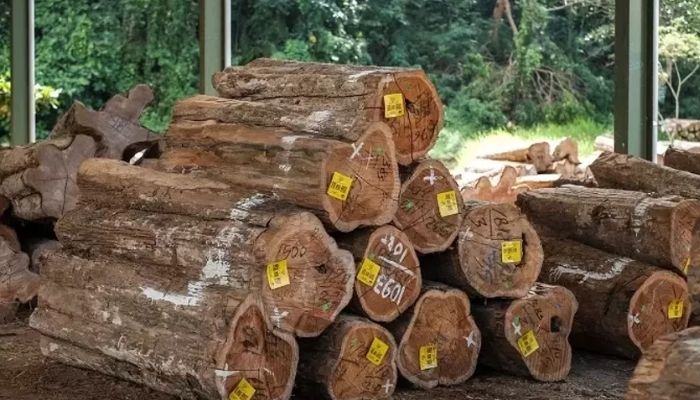
Stronger teak wood is older and aged teak wood, typically aged 20 to 30 years or more. As teak trees mature, their wood becomes denser and more durable, making it highly resistant to weather, pests, and decay.
This aging process also enhances the natural beauty of the wood, giving it a richer color and more pronounced grain patterns. For these reasons, older teak is considered the best choice for high-quality furniture and outdoor structures that are meant to last for decades.
6. Original Teak Wood Is Water Resistant
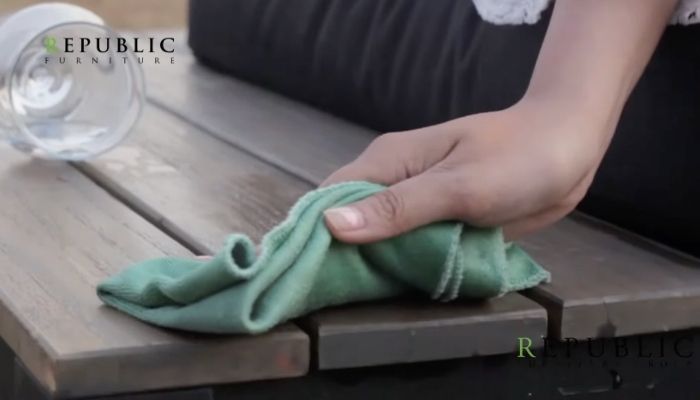
How to tell teak wood? One of teak’s most famous qualities is its excellent water resistance. When you place a few drops of water on the surface, they should bead up and stay on top without soaking in quickly. This behavior comes from teak’s high oil content, which naturally repels moisture and protects the wood from decay.
7. Original Teak Wood Has a Distinct Smell Like Leather
How to know if wood is teak? What does teak smell like? Real teak wood has a unique, earthy aroma often compared to leather, a fragrance that comes from the wood’s rich natural oils and cannot be replicated by synthetic materials or lower-quality substitutes.
Woods that lack this distinctive fragrance may not be genuine teak, may have been overly processed, or could be mixed with cheaper materials, making the smell test a simple yet reliable method for identifying real teak wood.
8. Genuine Teak Wood Has a Natural Oil Content
Teak contains abundant natural oils that protect it from water, bacteria, mold, and pests such as termites, giving it a natural defense system that few other woods can match. These oils act as built-in preservatives, allowing teak to endure harsh weather conditions, heavy use, and long-term outdoor exposure.
This oil content is a defining characteristic of real teak and contributes to its long lifespan, superior strength, and minimal maintenance requirements, qualities that make it one of the most desirable hardwoods for premium furniture.
Fake teak or low-quality substitutes will not have the same smooth, oily feel and often require frequent treatments just to maintain basic durability, making the natural oil content of genuine teak one of the most reliable signs of authenticity.
9. Genuine Teak Wood Will Have More Oil
High-grade teak, especially when freshly cut or newly unpacked, releases a stronger aroma due to its high oil concentration, making the leather-like scent easier to notice and instantly recognizable.
The abundance of natural oils not only enhances the scent but also gives the wood a subtle sheen and a smooth, almost silky texture that is difficult for imitation materials to replicate. These oils act as natural protectants, helping the wood resist moisture, insects, and decay more effectively.
When you run your hand across genuine high-grade teak, you’ll feel the difference, its smoothness, weight, and aroma all work together as clear indicators that you’re handling authentic, top-quality teak wood.
10. Sometimes Teak Wood Have Dark Patch in Areas

What does teak wood look like? It’s normal for genuine teak to have occasional dark patches or streaks. These variations are natural mineral deposits or oil clusters within the wood and do not indicate defects.
In fact, they often enhance teak’s natural beauty and uniqueness, proving that the wood is authentic and not artificially manufactured.
Understanding how to identify original teak wood empowers you to make confident, informed decisions when purchasing furniture that will truly stand the test of time. By recognizing its signature traits, you can avoid imitations and invest in pieces that offer exceptional quality and long-lasting beauty.
Looking for Custom Teak Furniture?

If you’re ready to experience the true value of authentic teak, visit Republic Furniture manufacturer website. Explore our teak furniture collection and bring home furniture that combines elegance, strength, and genuine craftsmanship, guaranteed to elevate your space for decades.
For those who want to experience the true excellence of Jepara teak, Republic Furniture offers expertly crafted furniture made from the highest-grade teak sourced directly. Bring your outdoor vision to life with personalized teak pieces!
Contact Us to create custom teak furniture and tailored to your unique style.
Reference:
- https://www.hineighbor.com/blogs/the-journal/how-to-identify-teak-wood
- https://plankly.co/blogs/journal/how-to-identify-real-teak-wood-a-buyer-s-guide
- https://www.castlery.com/us/blog/how-to-identify-teak-wood






Leave feedback about this