


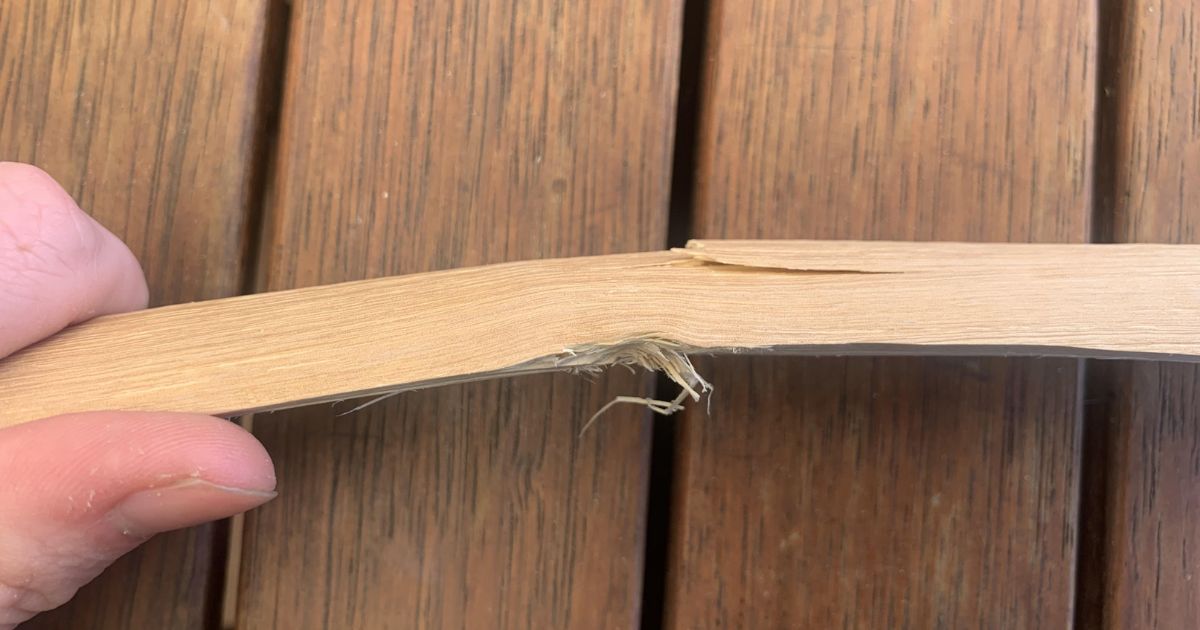
What makes wood weak is a critical consideration for furniture buyers, importers, and project developers who require consistent quality and long-term performance.
In furniture manufacturing, not all wood delivers the same structural strength, stability, and durability, especially when exposed to moisture, climate changes, and international shipping conditions.
Understanding these factors helps homeowners and buyers make better decisions when choosing wood furniture, especially for long-term use.
In this article, Republic Furniture outline six key factors that affect wood strength from a manufacturing perspective.
What Makes Wood Weak?
Below are the key factors that weaken wood and affect its strength and durability for furniture:
1. Wooden Knots
A knot forms when a branch grows out of a tree trunk or is cut off during growth. Knots interrupt the natural direction of wood fibers, which weakens the material.
Severe knots may contain cracks, holes, or grain deviations. Wood with excessive knots is less suitable for furniture manufacturing due to reduced structural integrity.
Also Read: How Often Should Wood Furniture Be Oiled and How to Do It2. Bad Wood Grain (Diagonal Grain)
Diagonal grain occurs when timber is sawn at an improper angle. This defect disrupts the alignment of growth rings and significantly reduces wood strength.
Because of this weakness, wood with diagonal grain is generally unsuitable for structural or load-bearing furniture.
3. Coarse Grain
Coarse grain develops when a tree grows too quickly, resulting in wider annual rings. Timber with coarse grain is less dense and weaker compared to fine-grain wood.
4. Fungal Damage
If you wonder what makes wood rot and weak, fungi are a major cause. Fungal damage often appears as discoloration, softness, or powdery residue on the wood surface.
Wood exposed to rain, moisture, or poor ventilation without protective finishing is highly vulnerable to fungal decay.
5. Insect Defects
Insects such as termites and wood-boring beetles weaken wood by consuming it from the inside. This damage often goes unnoticed until the structure becomes unstable.
Also Read: Can Dawn Dish Soap Be Used to Clean Wood Furniture?6. Seasoning Defects
Seasoning is the process of drying wood to reduce its moisture content. While essential, improper seasoning can cause defects such as cracking, twisting, or internal stress.
These defects reduce the wood’s mechanical strength and limit its use in quality furniture production.
Knowing what makes wood weak helps ensure better material selection, higher product quality, and longer service life.
By avoiding wood with structural defects, biological damage, or improper seasoning, furniture manufacturer and buyers can choose stronger, more durable wood that performs reliably over time, especially for furniture and load-bearing applications.
Choosing the right materials is essential to avoid weak wood and ensure long-lasting furniture. At Republic Furniture, we avoid weak wood caused by defects, poor grain, or improper seasoning, ensuring every piece is crafted for strength and longevity.
Partner with Republic Furniture (a trusted Indonesia furniture manufacturer and exporter in Jepara since 1999) for reliable furniture manufacturing, custom hospitality projects, and long-term global supply.




Leave feedback about this