


Wood furniture brings natural beauty and long-lasting value to any space, but proper maintenance is essential to keep it in top condition. One of the most common questions is how often should you oil wood furniture to prevent drying, cracking, and dullness.
The ideal oiling frequency depends on factors such as wood type, finish, and environmental conditions. Understanding how often wood furniture should be oiled and using the correct technique helps maintain strength, enhance appearance, and extend the lifespan of furniture.
Furniture placed in dry rooms or used frequently such as dining tables or other teak wood outdoor patio furniture generally requires more frequent oiling to stay protected.
In this article, Republic Furniture want to explain based on our experience. Lets check this out!
How Often Should You Oil Wood Furniture?
Oiling wood furniture helps prevent cracking, warping, and surface dryness while restoring its natural finish. To get these benefits, oiling must be done consistently.
As a general guideline, wood furniture should be oiled 1-4 times a year. In dry climates or during extended dry seasons, monthly oiling may be necessary to maintain moisture balance.
A simple way to check whether your furniture needs oiling is by dripping a small amount of water onto the surface. If the water absorbs quickly, the wood is dry and needs oil. If the droplets remain for a while, oiling can be postponed.
Also Read: 9 Key Reason Why Teak Durable for Long Lasting FurnitureHow to Oil Wood Furniture?
Below is a clear, step-by-step explanation of how to oil wood furniture properly.
1. Preparation Before Oiling Wood Furniture
Proper preparation ensures the oil absorbs evenly and delivers the best results. Start by placing the furniture in a well-ventilated area and protecting surrounding surfaces with a cloth or drop sheet, then prepare clean lint-free cloths, water, and natural wood oil or polish before starting the process.
Choose an oil suitable for the type of wood and finish, and always test it on a small, hidden area first. Make sure the furniture is completely dry before moving on to the next step.
2. Cleaning the Furniture Before Oiling
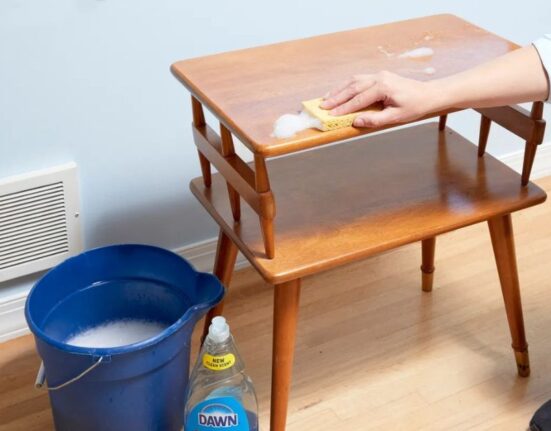
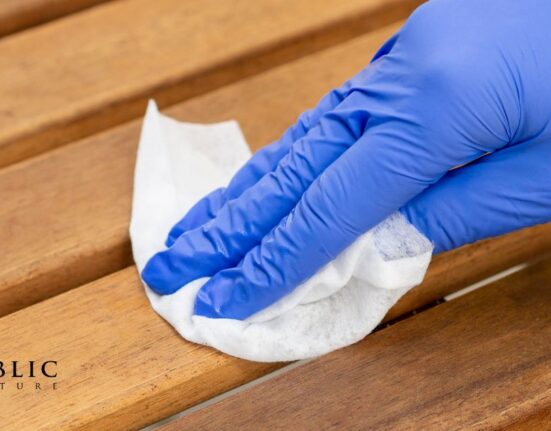
Cleaning removes dust, dirt, and residue that can prevent the oil from penetrating the wood. Wipe the surface with a damp cloth to remove dust and grime, then dry it thoroughly to prevent moisture buildup.
Avoid harsh chemicals or excessive water, as moisture can damage wood. Allow the furniture to dry fully before applying any oil.
3. How to Apply Oil to Wood Furniture
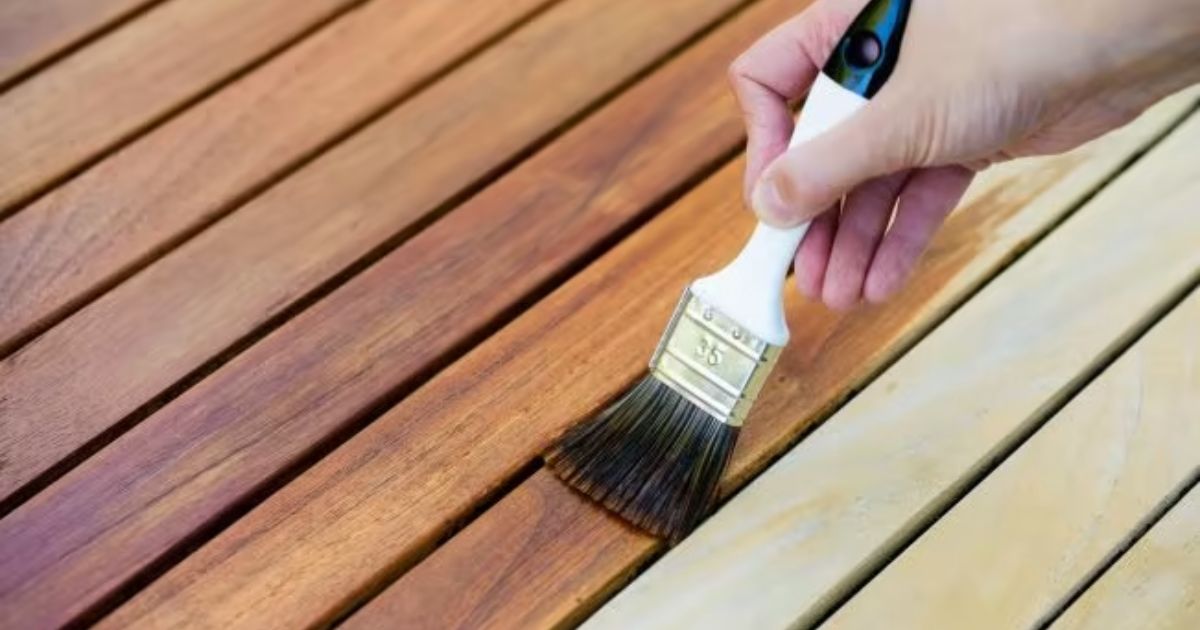
Apply the oil using a clean cloth or soft brush and wipe along the direction of the wood grain to ensure even absorption. Use a thin, even layer rather than soaking the surface.
Let the oil absorb for the recommended time specified by the product, usually between 10 and 30 minutes. This allows the wood to take in the nutrients it needs without becoming oversaturated.
Also Read: Teak Wood: Characteristics, Benefit, Best Uses, Source4. Removing Excess Oil From Wood Furniture
After the oil absorb for about 20 minutes, wipe away any excess with a dry, clean cloth. Leaving excess oil on the surface can result in a sticky finish and attract dust. Gently buff the furniture to achieve a smooth, natural sheen. Allow the furniture to cure fully before use.
Oiling wood furniture regularly and correctly helps maintain its strength, appearance, and longevity. By following these steps, wood surfaces stay protected, well-nourished, and visually appealing for years to come.
Tips for Oiling Wood Furniture
For optimal results, repeat the oiling process when the surface begins to appear dull. Food-grade natural oils such as coconut oil, olive oil with lemon, or canola oil with vinegar are safe options for furniture used daily.
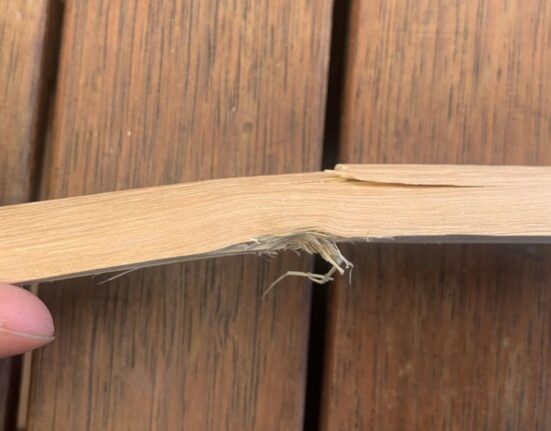
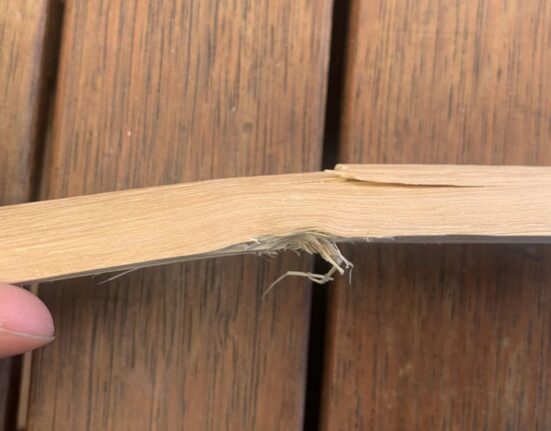
Regular maintenance significantly extends the lifespan of wood furniture. If your furniture is already severely damaged or no longer responds to oiling, you can contact us for professional guidance and replacement solutions.
Does Wood Furniture Need to Be Oiled?
Yes, wood furniture needs to be oiled to maintain moisture, protect the surface, and prevent drying or cracking over time. Oiling helps nourish the wood, enhance its natural grain, and extend the lifespan of the furniture, especially for unfinished or oil-finished wood.
Is It Better to Oil or Wax Wood?
Oiling is better for nourishing wood and protecting it from drying out, as oil penetrates deep into the surface. Wax, on the other hand, sits on top of the wood and provides a polished look with light protection. The better choice depends on the desired finish and level of maintenance.
Properly oiling wood furniture is a simple yet effective way to preserve its beauty and durability over time.
By understanding how often wood furniture should be oiled and following the correct preparation, application, and maintenance steps, wood surfaces can remain protected, well-nourished, and visually appealing.
With consistent care, wood furniture will continue to enhance any space while maintaining its strength and natural character for years to come.



Leave feedback about this